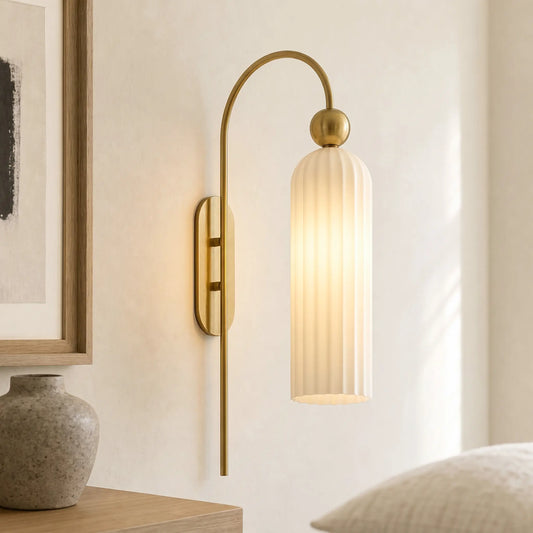
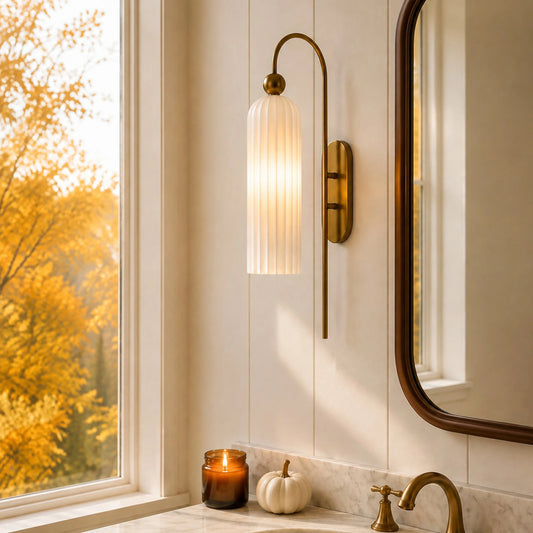
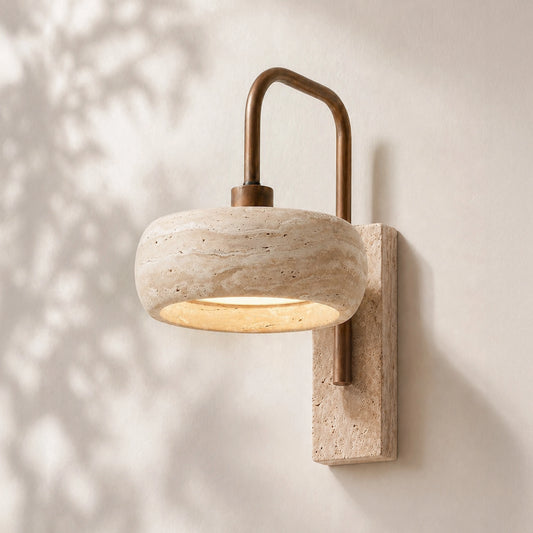
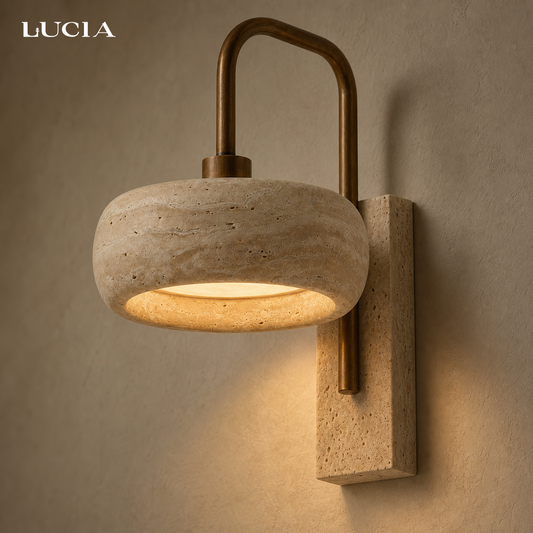

Minimalism is often misunderstood as the art of living with nothing. In reality, modern minimalism is about intentionality. It is the practice of surrounding yourself with objects that serve a purpose and possess a timeless beauty. In the realm of interior design, lighting is the most critical tool for achieving this balance. A single, well-placed fixture can define an entire room, creating a sense of calm and order without the need for excessive decor.
When we talk about modern minimalist lighting, we are looking for "quiet" designs—pieces that harmonize with their surroundings rather than competing for attention. Whether you are redesigning a sprawling living area or a compact urban apartment, understanding how to pair light with space is the secret to a high-end, professional look. In this guide, we will explore how to use minimalist fixtures to elevate your home atmosphere.
Further reading: Common Mistakes in Minimalist Lighting Design (And How to Avoid Them)
1. The Philosophy of Visual Weight in Lighting
One of the core concepts in minimalist design is "visual weight." Every object in a room draws the eye, and too many heavy objects make a space feel cluttered. Modern minimalist lighting focuses on fixtures with low visual weight—designs that feel light, airy, and unobtrusive. Spherical shapes and clean, geometric lines are the gold standard for this aesthetic.
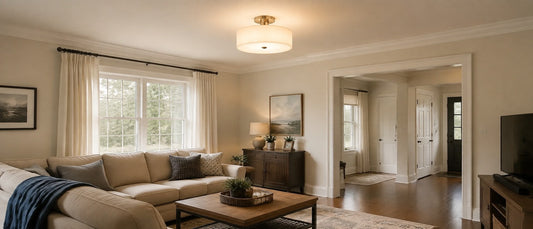
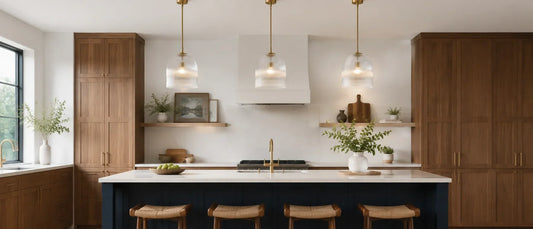
A perfect example of this philosophy is the Daphne Modern Minimalist Milk Glass Pendant Light. Its soft, rounded silhouette provides a gentle visual anchor without overwhelming the room. The milk glass finish allows the light to glow evenly in all directions, softening the hard edges often found in minimalist architecture. It’s a piece that feels both modern and classic, fitting seamlessly into various decor styles from Nordic to Bauhaus.
You can view the subtle elegance of this fixture here: Daphne Modern Minimalist Milk Glass Pendant Light
2. Creating Focal Points Without the Clutter
In a minimalist home, you don't need a gallery wall or a dozen accent pillows to create interest. Instead, you can use lighting to create "zones" and focal points. This is particularly effective in open-plan homes where the kitchen, dining, and living areas bleed into one another.

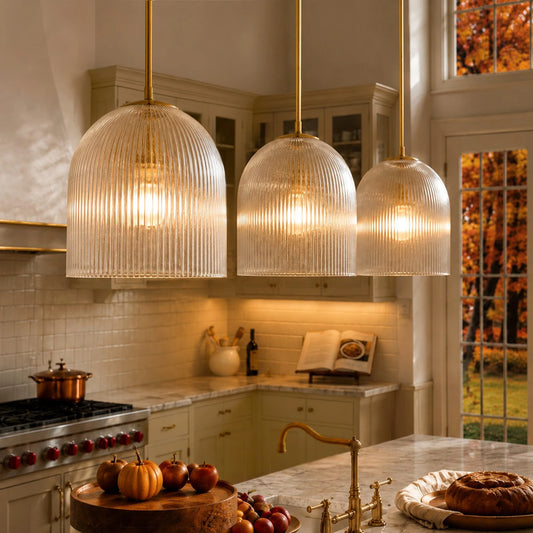
For instance, hanging a series of three identical pendants over a kitchen island creates a sense of rhythm and boundary. The repetition of simple shapes provides a visual guide that tells the eye where the "work zone" ends and the "social zone" begins. By keeping the fixtures themselves simple, you maintain the clean lines of the room while adding necessary functional light.
Further reading: How to Choose Minimalist Lighting Fixtures Without Overdecorating
3. The Importance of "White Space" in Lighting Design
In graphic design, white space is the empty area around an image or text that allows it to breathe. The same principle applies to your ceiling and walls. A common mistake in home lighting is over-lighting or installing too many fixtures in a small area. To achieve a truly minimalist look, you must embrace the empty spaces.

Choose one "hero" fixture for a room—perhaps a stunning pendant over the dining table—and keep the rest of the lighting recessed or hidden. This hierarchy allows your main design choice to shine. The Daphne Modern Minimalist Milk Glass Pendant Light works beautifully as a hero piece because its glow is diffused, acting as a soft sun within the room that draws people in naturally.
Experience the calming glow of the Daphne pendant: Daphne Modern Minimalist Milk Glass Pendant Light
Further reading: Market Overview & Trends in Glass Pendant Lighting
4. Layering Light for Emotional Atmosphere
Minimalism shouldn't feel cold. If a room feels clinical, it’s usually because the lighting is one-dimensional. To create warmth, you need to layer your light sources. Even in a minimalist home, you should have three levels of light: general ambient light, task lighting for activities, and accent lighting for mood.
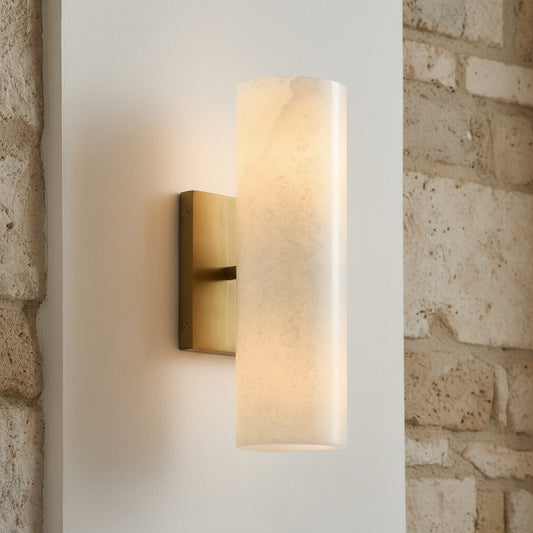
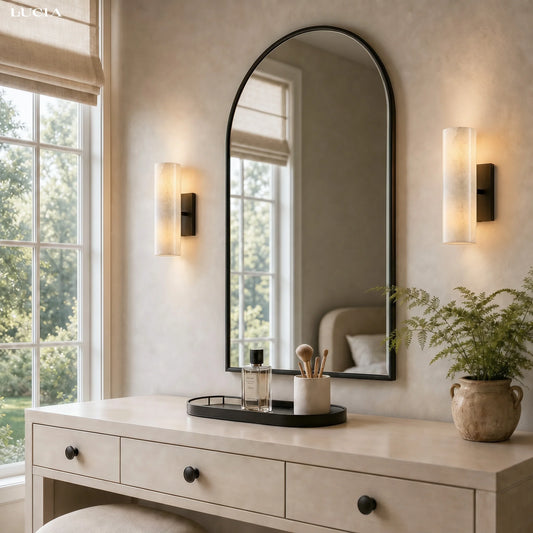
The key is to ensure that all these layers share a similar design language. If your main pendant is a soft milk-glass sphere, your floor lamps and wall sconces should also feature clean lines and simple forms. This consistency creates a "visual thread" that ties the entire home together, making it feel curated and intentional.
5. Placement Strategies for Every Room
The Bedside Alternative

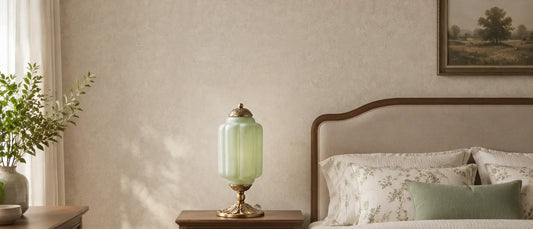
In a minimalist bedroom, space on the nightstand is at a premium. Instead of a traditional table lamp, consider hanging a small pendant light on either side of the bed. This clears the surface of the table for just the essentials—a book and a glass of water—while providing perfect reading light and an unexpected design element.
The Entryway Welcome

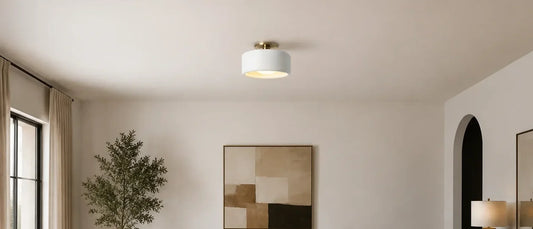
Your entryway sets the tone for the rest of your home. A single, medium-sized minimalist pendant in the foyer immediately signals a sense of calm to anyone entering. It acts as a transitional piece that moves the guest from the busy outside world into your serene sanctuary.
6. Why Color Temperature Matters Most
Since minimalist design relies on few objects, the "color" of the light itself becomes a design element. In a modern home, you should almost always opt for warm-to-neutral bulbs (2700K to 3000K). Cold, blueish light can make a minimalist room feel like an office or a hospital. Warm light interacts beautifully with white walls and natural wood, highlighting the textures of your home and making the space feel lived-in and welcoming.
By focusing on form, placement, and the quality of light, you can transform any room into a masterclass in modern minimalism. Start with a piece that embodies these values, and build your sanctuary from there.
Tags:
Vorherige
Modern Home Lighting Guide: Enhancing Quality of Life with Light
Nächste
The Heart of the Home: Living Room Lighting Design Inspiration and Matching Tips