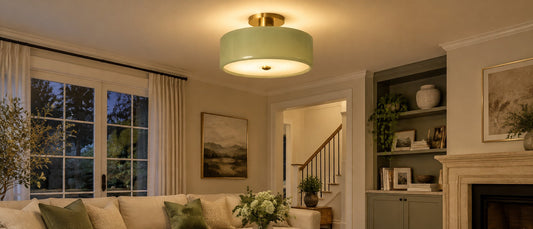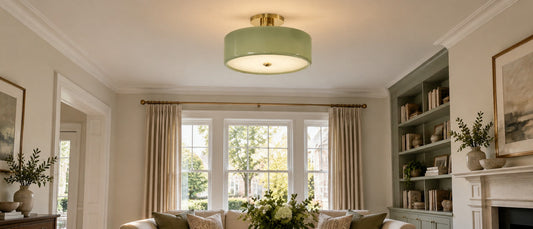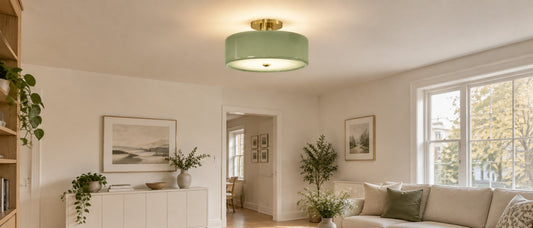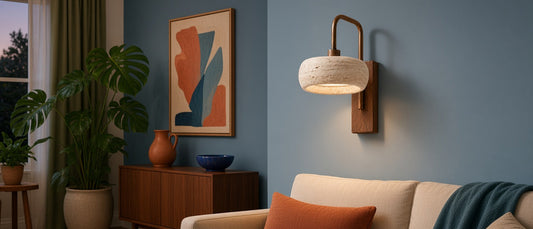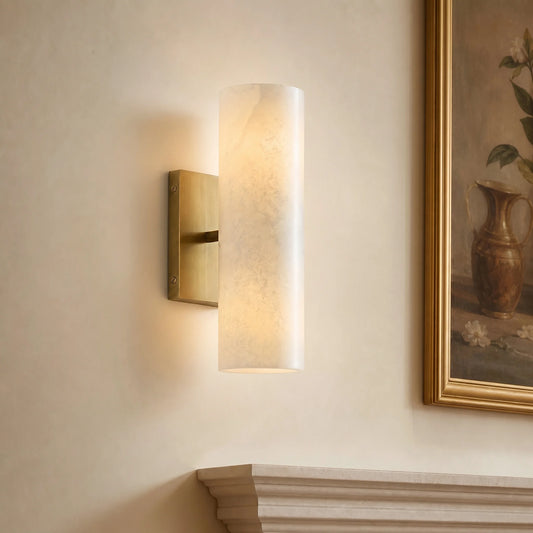
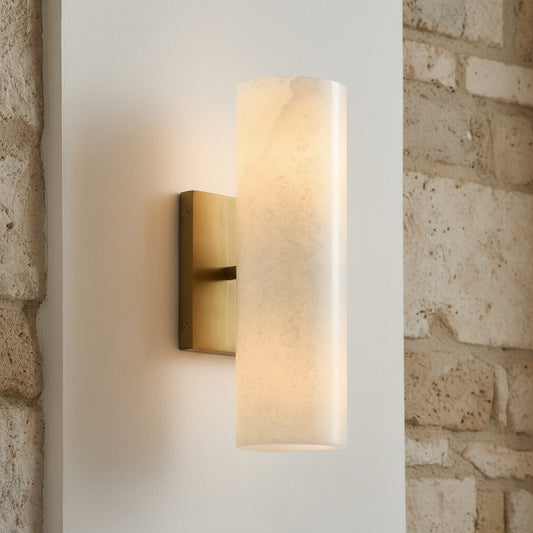
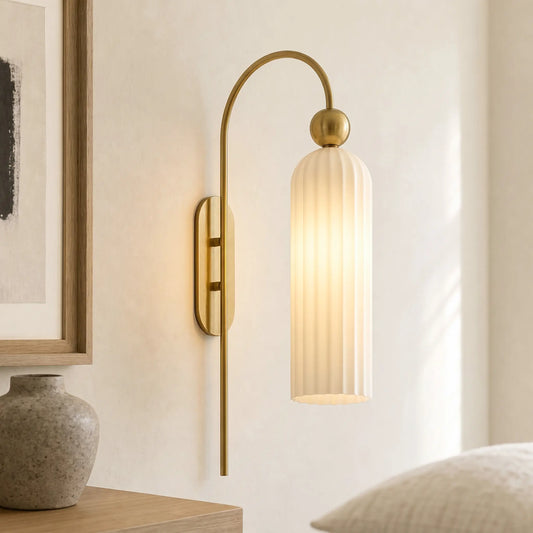
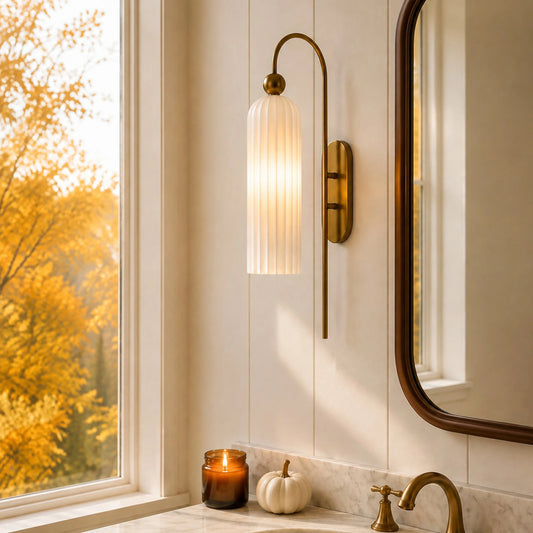
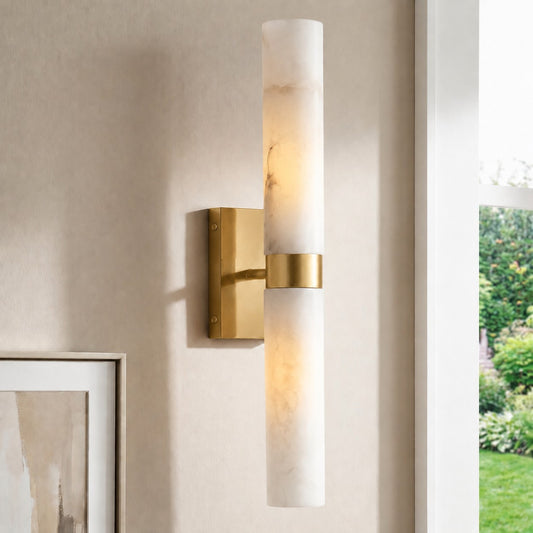
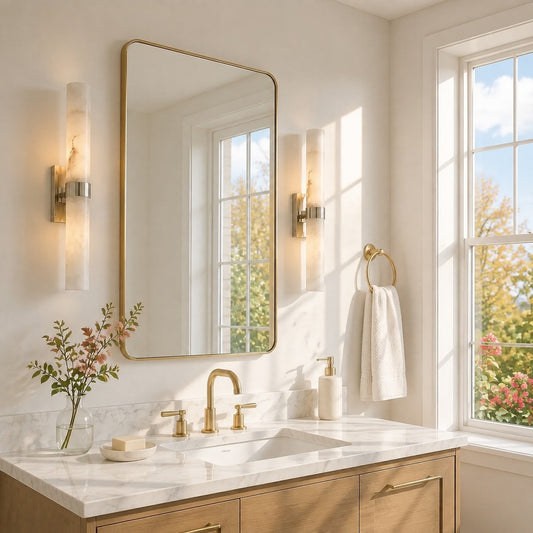

In the world of interior design, lighting has transitioned from a mere utility to the "jewelry" of the home. As we move through 2026, the market for glass pendant lights has seen a significant shift. Homeowners are no longer satisfied with mass-produced, cold industrial fixtures. Instead, there is a growing demand for "Soft Modernism"—a style that balances sleek lines with warm, inviting materials. At the forefront of this movement is the resurgence of opal glass and classic metal finishes.
The Current State of the Glass Pendant Market

The global lighting market is currently leaning heavily into textures and layers. While clear glass dominated the previous decade, it often left users struggling with glare and exposed bulbs that felt harsh on the eyes. In response, the 2026 trend report shows a 40% increase in the preference for Opal White Glass. This material offers a sophisticated diffusion of light, transforming a sharp LED source into a soft, ethereal glow that fills a room without overwhelming it.
Furthermore, the "fast furniture" era is ending. Consumers are investing in "heirloom-quality" pieces. This is where materials like brass come into play. Specifically, Antique Brass has overtaken polished chrome and matte black as the finish of choice for high-end residential projects. It provides a sense of history and warmth that feels grounded and permanent.
Why "Tiered" Designs are Taking Over
Architectural depth is the new buzzword in lighting design. Single-globe pendants are classic, but tiered designs offer a structural complexity that acts as a focal point even when the light is turned off. A tiered structure allows light to bounce between different levels of glass, creating a rhythmic play of highlights and shadows.

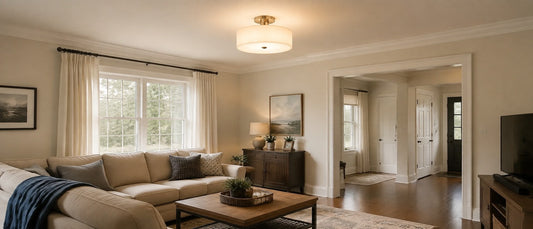
For those looking to capture this specific trend, the Antique Brass Tiered Opal White Glass Pendant Light is a masterclass in this aesthetic. It combines the soft, milky texture of opal glass with a multi-layered silhouette that feels both vintage and incredibly current.
Further reading:Crafting Ambient Illumination Above the Dining Table
Key Trends to Watch in 2026

1. The Return of the "Warm Glow"
With the rise of wellness-focused design, the quality of light is more important than ever. Designers are prioritizing fixtures that hide the light source (the bulb) behind frosted or opal glass. This reduces "blue light" fatigue and creates a "Hygge" atmosphere. The opal glass used in modern pendants is specifically engineered to maintain high light transmission while eliminating hotspots.
2. Mixing Metals with Organic Shapes
We are seeing a move away from sharp, angular boxes toward softer, rounded silhouettes. A tiered glass pendant provides these organic curves, while the antique brass framework provides the "structure" needed to anchor a room's design. This "Hard & Soft" contrast is a hallmark of the 2026 luxury aesthetic.
3. Scalable Lighting Solutions
Whether it’s a compact apartment in New York or a sprawling estate in Texas, versatility is key. The market is favoring designs that work well as standalone pieces or as part of a cluster. A tiered pendant light is particularly effective because its verticality draws the eye upward, making ceilings feel higher and spaces feel more grand.
How to Select the Perfect Glass Pendant for Your Space
Choosing a light isn't just about picking a pretty object; it’s about understanding the physics of your room. Here are three expert tips for 2026:
- Consider the Glass Finish: If you want ambient, "mood" lighting, opal glass is your best friend. It hides the bulb and softens the skin tones of everyone in the room. If you need task lighting for chopping vegetables, look for pendants with an open bottom.
- Match Your Hardware: If your kitchen has brass faucets or your living room has gold-toned accents, the Antique Brass Tiered Opal White Glass Pendant Light will tie the entire room together, creating a cohesive, professional look.
- Layer Your Light: Never rely on a single pendant. Pair your glass pendant with recessed lights or wall sconces to create "layers" of light that can be adjusted based on the time of day.
Further reading:Achieving Visual Balance with Glass Lighting in Open Spaces
Sustainability and Longevity in Lighting
Modern consumers are savvy. They want lighting that is energy-efficient but doesn't look "plastic." The integration of high-CRI (Color Rendering Index) LED bulbs with traditional materials like glass and brass is the ultimate solution. These materials are recyclable and durable, ensuring that your investment doesn't end up in a landfill in five years. Glass, in particular, is a sustainable choice because it does not degrade or yellow over time like acrylic or plastic shades do.

Conclusion: Investing in Timeless Design
The market for glass pendant lights is moving toward a more refined, thoughtful approach. By choosing fixtures that prioritize light quality, material integrity, and architectural interest, you are doing more than just illuminating a room—you are defining its character. The combination of opal glass and antique brass is not just a trend; it is a return to classic elegance that will remain relevant for decades.
Tags:
Previous
Sizing it Right: The Expert Guide to Choosing the Perfect Pendant Dimensions
Next
The Art of Multiplicity: Design Expressions of Combined Glass Lighting