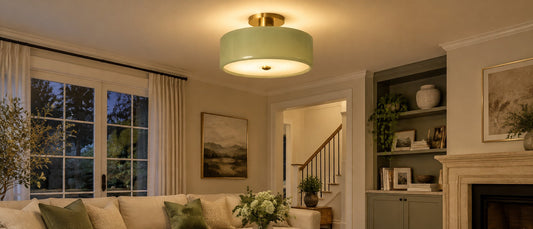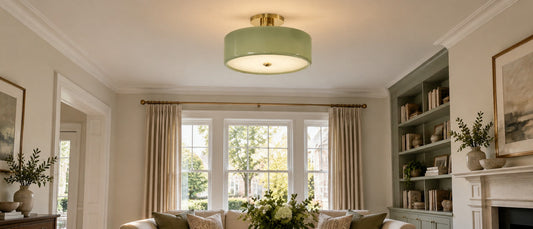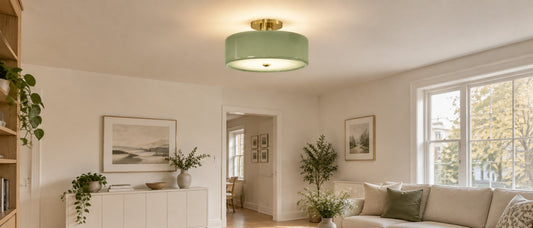

Walking into a beautifully designed room feels effortless, but that sense of balance is rarely an accident. One of the most common mistakes in interior design is choosing a light fixture that is either too small—making it look like an afterthought—or too large, which can overwhelm the entire space. Lighting is the "jewelry" of the home, and just like a statement necklace, the scale must be exactly right to complement the ensemble. When a light is sized correctly, it doesn't just illuminate the room; it anchors the furniture, defines the boundaries of a space, and sets the emotional tone of the entire home.
When selecting lighting for your home, the dimensions of the room serve as your blueprint. Whether you are dealing with an expansive open-concept living area or a cozy, low-ceilinged entryway, understanding the relationship between square footage, ceiling height, and fixture diameter is essential. Scale is about more than just numbers; it is about the "human feel" of a room. A light that is too low can feel intrusive and claustrophobic, while a light that is too small can make a grand room feel cold and hollow. In this comprehensive guide, we will break down the expert formulas used by designers to ensure your lighting looks intentional, professional, and authoritative.
Further reading: Choosing the Right Size of Glass Floor Lamp for Your Space
The Primary Formula: Diameter and Width
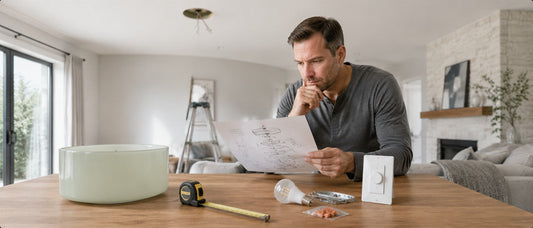
If you are staring at a blank ceiling and wondering where to start, there is a simple "Rule of Thumb" that professional designers use to determine the diameter of a ceiling fixture. To find the ideal width in inches, simply add the length and width of the room in feet together. This creates a harmonious ratio that mimics how our eyes naturally perceive horizontal space.
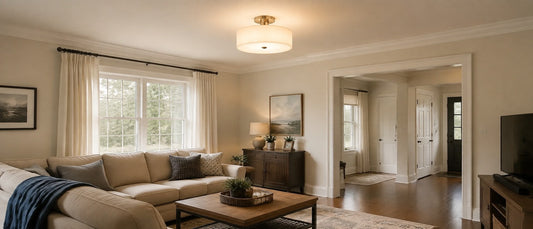
For example, if your room is 12 feet by 14 feet, the sum is 26. This means a light fixture with a diameter of approximately 26 inches will be perfectly scaled for that space. This rule applies beautifully to central ambient lighting, such as drum mounts or chandeliers. However, it is important to consider the "bulk" of the fixture as well. A heavy, solid brass chandelier will feel much larger than an open-frame design of the same diameter.

If you are looking for a fixture that combines industrial charm with this kind of balanced presence, the Hart Industrial Open Cage Drum Semi Flush Mount Ceiling is a fantastic choice. Because of its open-cage design, it provides the necessary "visual width" for a mid-sized room without blocking sightlines. This allows the room to feel airy and expansive, even if you choose a slightly larger diameter to make a design statement.
Vertical Proportions: Ceiling Height and Clearance
While the width of the room tells you how wide the lamp should be, the ceiling height determines how low it can hang. This is where many homeowners run into trouble, especially in modern apartments with varying ceiling heights. The standard rule is to allow for 2.5 to 3 inches of fixture height for every foot of ceiling height. For a standard 8-foot ceiling, you generally want a fixture that is between 20 and 24 inches tall. If you are blessed with 10-foot ceilings, you can comfortably move into the 30-inch height range.

Clearance is equally vital for both safety and comfort. For walkways, hallways, and high-traffic areas, the bottom of the light fixture should be at least 7 feet above the floor. This prevents any head-clearance issues and ensures that the light doesn't obstruct the view across the house. In spaces with lower ceilings, such as mudrooms or laundry rooms, semi-flush mounts are your best friend. They provide the decorative "drop" of a chandelier while keeping the profile high enough to maintain a sense of openness and flow.
Further reading: Advantages of Glass Ceiling Lights for Low Ceilings
Visual Weight: The "Invisible" Dimension
One of the most nuanced aspects of choosing the right light is understanding "visual weight." Two lamps can have the exact same physical dimensions but feel completely different in a room. A solid, dark-colored fixture will feel "heavy" and consume more visual space, making it better suited for large, minimalist rooms that need a strong focal point. Conversely, a fixture made of clear glass or light-colored materials will feel "light," making it perfect for smaller rooms or spaces that are already crowded with furniture and decor.
This is where the material choice becomes a functional SEO strategy for your home design. For instance, a light fixture made from natural stone or solid metal has a high visual weight. It commands attention and dictates the scale of everything around it. If your room feels a bit cluttered, opting for "lighter" materials can help the space breathe while still providing the necessary illumination.
Sizing for Focal Points: The Dining Table and Island
When the lighting isn't meant to light the whole room, but rather a specific piece of furniture, the rules change significantly. In these cases, the furniture—not the room—is your primary reference point. For a dining table, the diameter of the pendant should be between one-half and two-thirds the width of the table. This ensures the light doesn't extend beyond the table's edges, which can create an awkward, top-heavy look and potentially interfere with the sightlines of guests sitting across from each other.

In farmhouse or Scandinavian-inspired kitchens, texture plays a massive role in how "heavy" a light looks. A glass fixture often feels lighter than a solid metal one, allowing you to go slightly larger without it feeling cramped. The Phineas Farmhouse Ribbed Glass Pendant Light is a masterclass in this balance. Its ribbed texture diffuses light beautifully across a dining surface, adding a layer of sophisticated detail without overwhelming the space. Because it is glass, it maintains a graceful silhouette that suits both small breakfast nooks and large, open-concept dining areas. It fills the vertical space without creating a "wall" of metal in the center of your kitchen.
Wall Lighting: Scaling Sconces and Globes
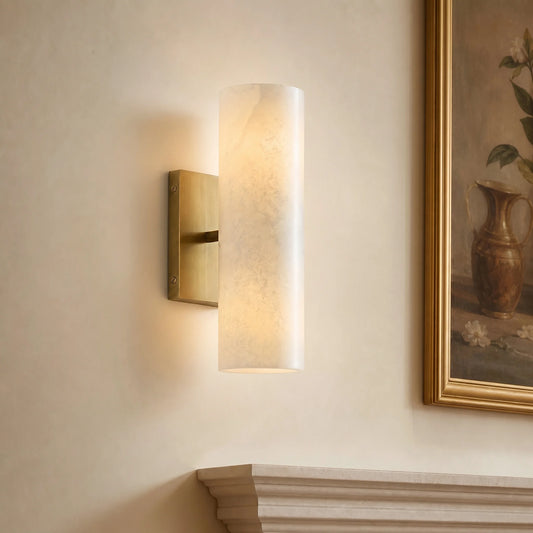
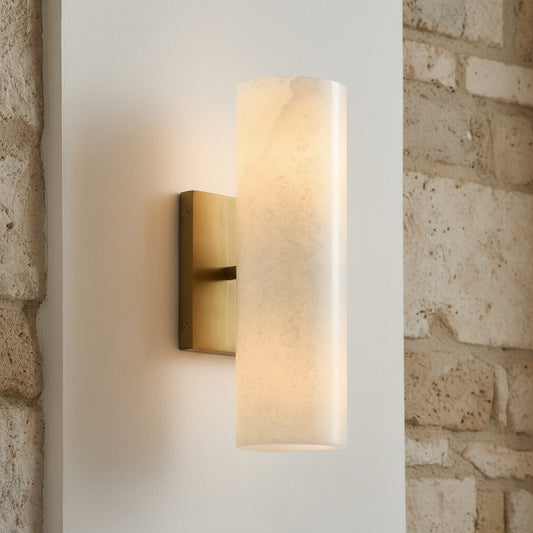
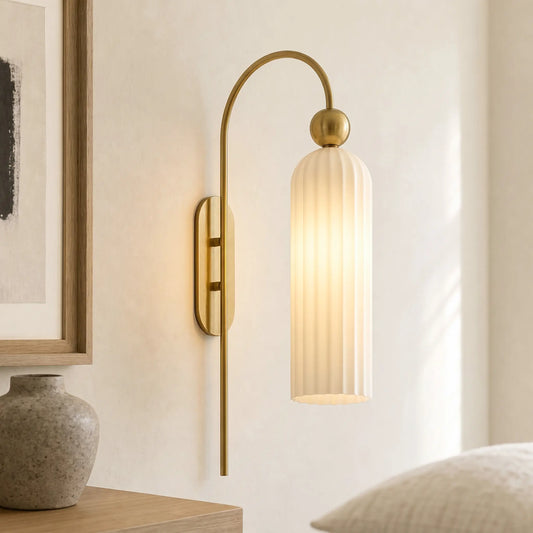
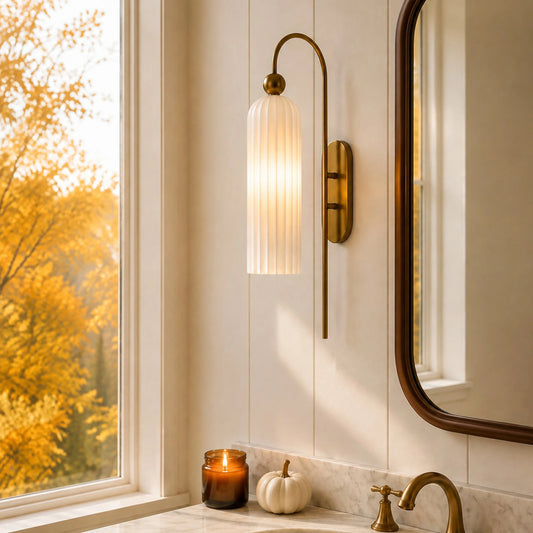
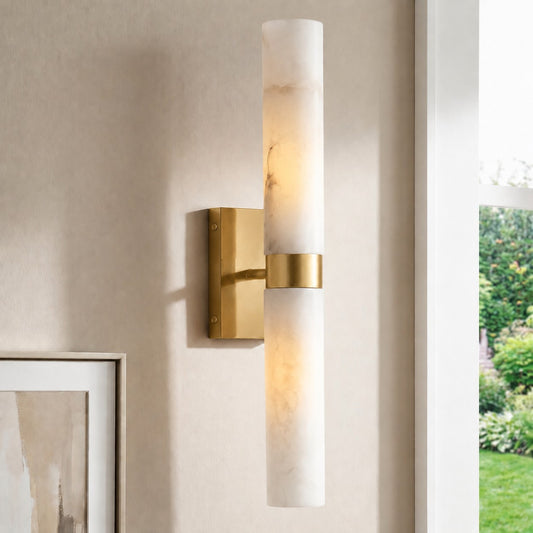
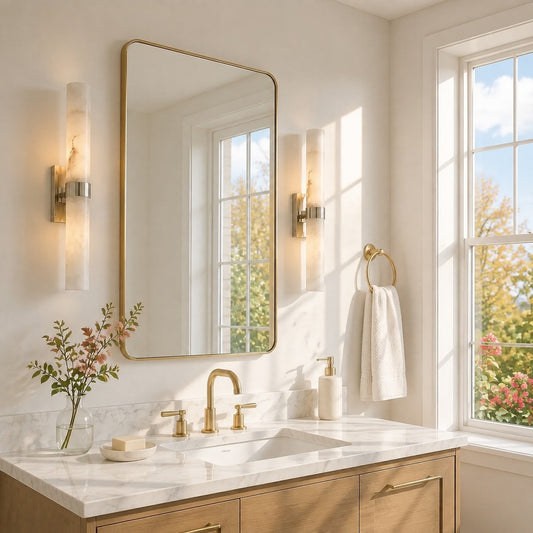
Wall-mounted lighting often gets overlooked in the scaling process, but it is crucial for creating layers of light. Room size dictates the placement and size of these fixtures. In a small bathroom or a narrow hallway, large, protruding lamps can make the space feel even tighter and more restrictive. Instead, look for fixtures that use natural materials to create a soft, organic focal point without needing excessive physical depth.

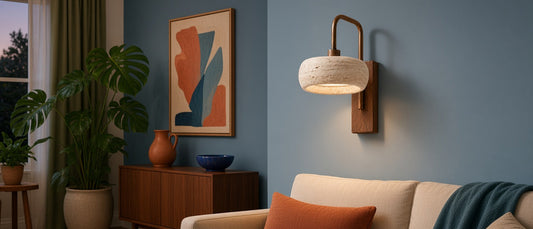
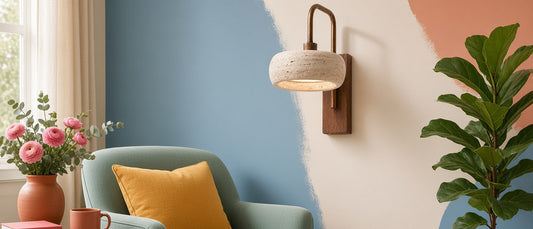
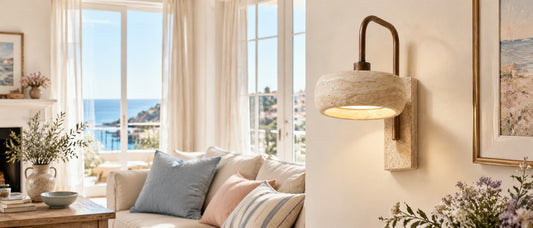
The Kairi Wabi Sabi Natural Travertine Globe Wall Lamp is an excellent example of a fixture that fits perfectly in varied scales. The travertine stone provides a rich, tactile presence that feels substantial, but the globe shape remains compact and efficient. In a large bedroom, a pair of these flanking a headboard provides elegant symmetry and a sense of luxury. In a smaller entryway, a single travertine globe acts as a functional piece of art that respects the room's limited square footage while providing a warm, welcoming glow.
Further reading: The Role of Glass Wall Lights in Ambient Lighting
The Scaling of Multi-Light Installations
Sometimes, a single fixture isn't the right answer. In long rooms or over expansive kitchen islands, you might need multiple lights to achieve the right scale. The "Rule of Three" is a popular choice here. When using multiple pendants, you should space them evenly so that the distance between the fixtures is roughly equal to the diameter of the fixtures themselves. This creates a rhythmic, balanced look that guides the eye across the room.
If you are using smaller pendants, like a series of glass globes, you can afford to place them closer together. If you are using larger, industrial-style mounts, you will need to give them more "breathing room" to ensure the ceiling doesn't look cluttered. This layering of scale is what separates a DIY lighting job from a professional interior design project.
Final Considerations for Room Balance
Remember that these rules are guidelines, not rigid laws. Interior design is an art as much as it is a science. If your room has very dark walls or heavy, dark-stained wood trim, the space might feel smaller than its actual measurements, requiring a slightly more delicate or transparent fixture. Conversely, a minimalist room with white walls, large windows, and high ceilings can often handle a much larger, bolder light than the math might suggest.
Always trust your eye and the "feel" of the space. If a fixture feels like it’s "drowning" in the room, it likely needs more volume or a more substantial material. If it feels like it’s "shouting" at you every time you walk in, it may be too large for the surrounding architecture. By measuring your space, understanding visual weight, and following these basic principles of scale, you can transform your home into a well-proportioned sanctuary where every light feels like it was custom-made for the room it inhabits.
Tags:
Vorherige
The Ultimate Guide to Home Lighting Types: How to Layer Your Way to a Professional Interior
Nächste
Lighting Trends 2026: The Rise of Sculptural Minimalism and Soft Textures