The Ultimate Guide to Home Lighting Types: How to Layer Your Way to a Professional Interior

Walking into a well-lit room feels effortless, but the science behind it is anything but accidental. If you’ve ever felt that a room was "too bright" or "too gloomy" despite having several lamps, you likely encountered a layering issue. In the world of interior design—especially within popular aesthetics like Nordic Minimalism and Bauhaus—lighting is treated as the fourth dimension of a space. It defines boundaries, highlights textures, and dictates the mood of your home.
To move beyond basic utility, you must understand the three primary layers of lighting: ambient, task, and accent. By mastering these categories, you can transition your living space from a simple functional area to a sophisticated environment that feels both high-end and welcoming. This guide will walk you through every lighting type you need to know and how to combine them for a cohesive "Light Luxury" look.
Further reading: Living Room Lighting Ideas and Design Tips
1. Ambient Lighting: Creating the Foundation
Ambient lighting is the base layer of any room. Its primary purpose is to provide a uniform level of illumination that allows you to move safely and see clearly. It effectively replaces natural sunlight once the sun goes down. However, "general lighting" doesn't have to mean boring recessed cans or harsh fluorescent tubes.

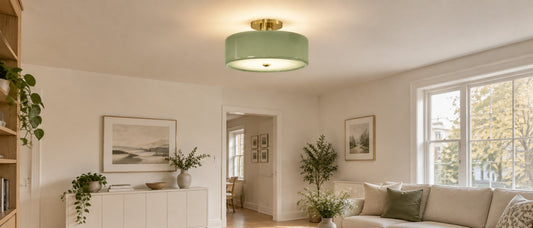
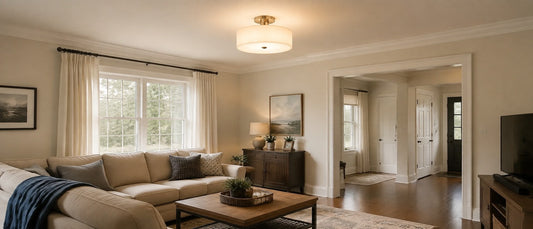
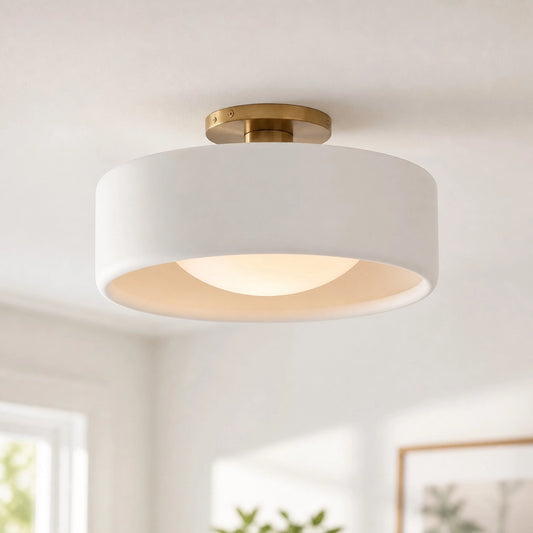
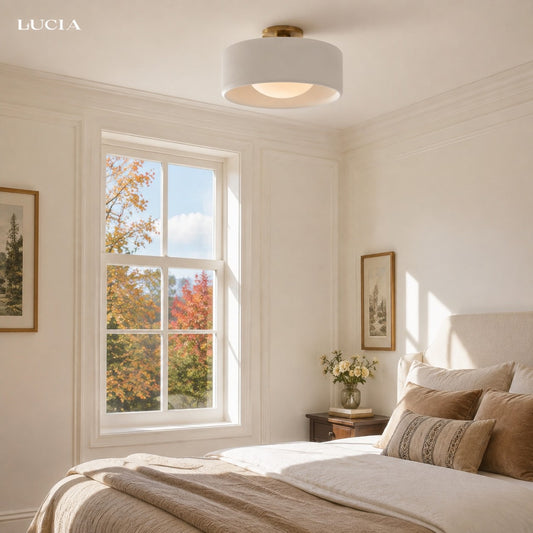
Modern ambient solutions focus on diffusion. You want the light to hit the walls and ceiling, bouncing back into the room to create a soft, shadow-free environment. For spaces with standard or lower ceilings, a flush or semi-flush mount is often the most practical choice. But practicality should never come at the expense of style.
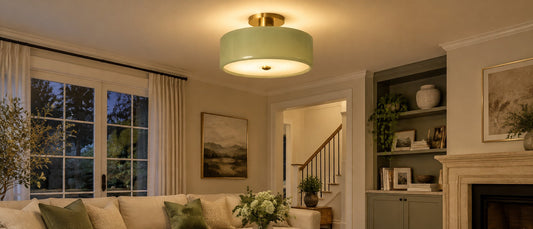
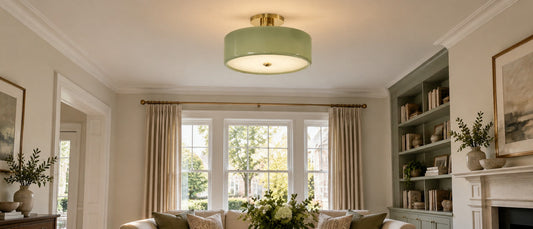
Consider a fixture that uses texture to manipulate light. The Jules Modern Textured Glass Disc Ceiling Light is an exceptional example of this. Its textured glass disc doesn't just hold a bulb; it breaks the light into a soft, shimmering pattern that adds visual depth to a ceiling while providing ample general illumination. This is the perfect foundation for a modern living room or a serene bedroom retreat.
Explore this foundation piece here: Jules Modern Textured Glass Disc Ceiling Light
Further reading: Minimalist Linear Pendant Lighting for Modern Homes
2. Task Lighting: Precision and Productivity
Once you have your foundation, it is time to look at functionality. Task lighting is exactly what it sounds like—lighting that helps you perform specific tasks. Whether you are prepping vegetables in the kitchen, reading in bed, or working from a home office, your eyes require a more concentrated beam of light to prevent strain.

The secret to great task lighting is "directional control." You want the light to fall directly onto the surface you are using without creating glare on screens or casting shadows from your own body. In the kitchen, this is usually under-cabinet LEDs; in the bedroom or study, it’s the humble but vital table lamp.
For those who appreciate a touch of vintage flair alongside modern utility, the Mirel Vintage Fabric Metal Animal-Shaped Table Lamp offers a delightful solution. Its metal base provides stability, while the fabric shade softens the light just enough to make reading comfortable. The animal-shaped silhouette adds a layer of "personality" to your task lighting, proving that functional items can also be sculptural art pieces in a Scandinavian-inspired home.
Bring character to your desk or nightstand: Mirel Vintage Fabric Metal Animal-Shaped Table Lamp
Further reading: Bedroom Lighting Suggestions for Soft and Restful Ambience
3. Accent Lighting: The Secret to "Light Luxury"
Accent lighting is the most overlooked layer in home design, yet it is the one that provides the "wow" factor. It is used to draw the eye to specific points of interest—architectural details, artwork, or even a beautiful piece of furniture. While ambient light is for the room and task light is for you, accent light is for the atmosphere.

Pendant lights are a favorite tool for designers looking to create an accent focal point. Hanging a pendant over a dining table or a kitchen island doesn't just illuminate the surface; it anchors the entire room. The goal here is to choose a fixture that looks as good off as it does on.
The Aetna Scandinavian Triple Layer Disc Colorful Pendant Light is a perfect candidate for accenting a modern dining space. Its triple-layer design is a nod to classic mid-century Scandinavian aesthetics, ensuring that the light is directed downward while also glowing softly through the discs. The pop of color allows it to stand out against neutral walls, creating a visual focal point that defines the "Light Luxury" style.
Discover the Aetna collection: Aetna Scandinavian Triple Layer Disc Colorful Pendant Light
4. Decorative Lighting: The Jewelry of the Room
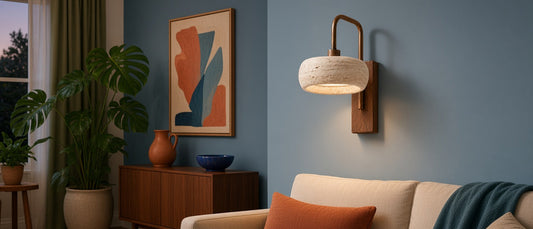
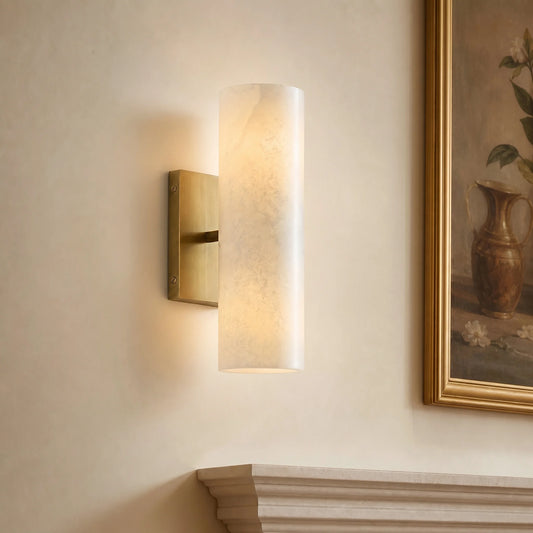
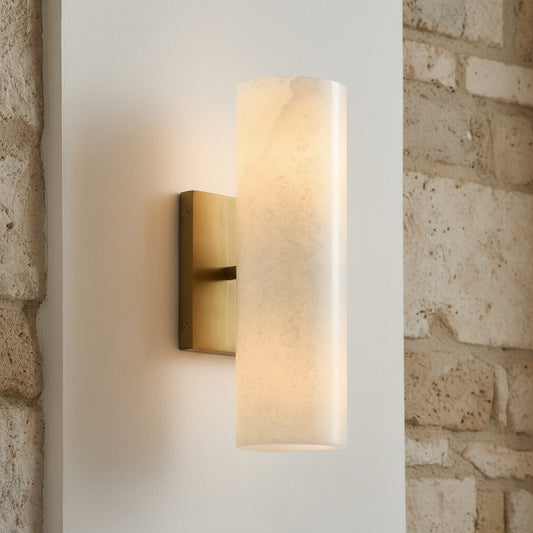
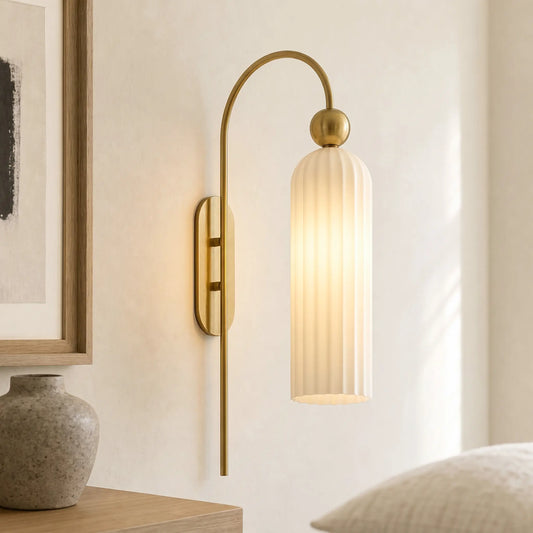
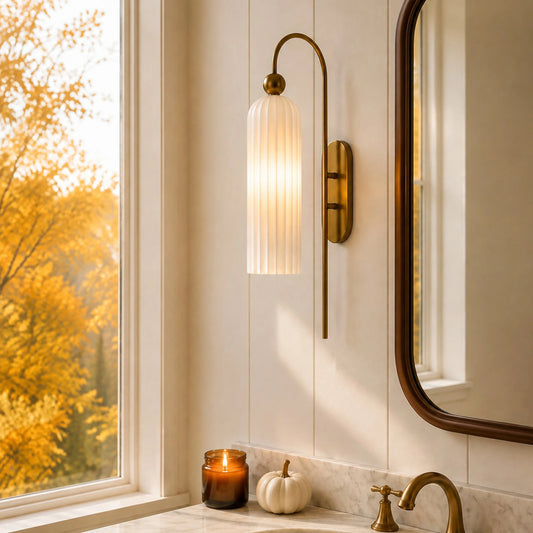
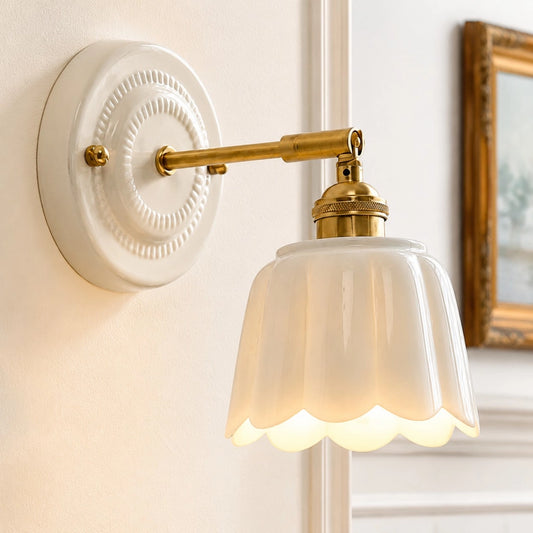
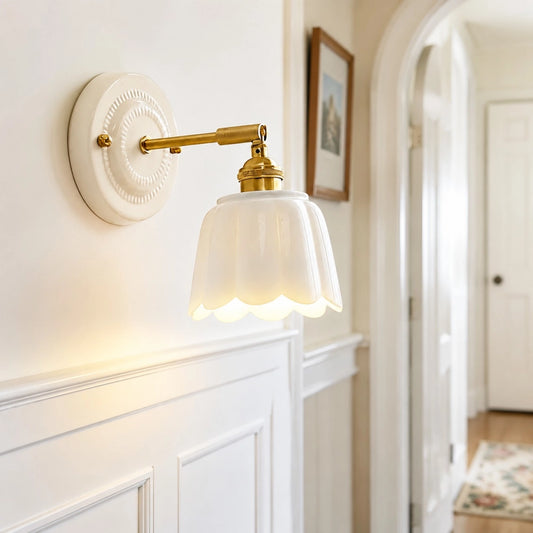
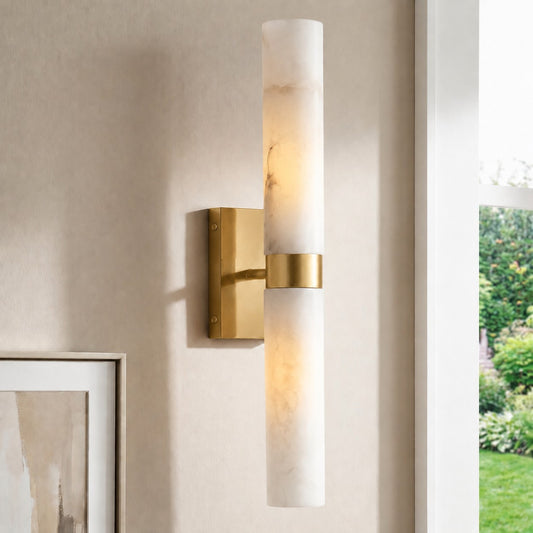
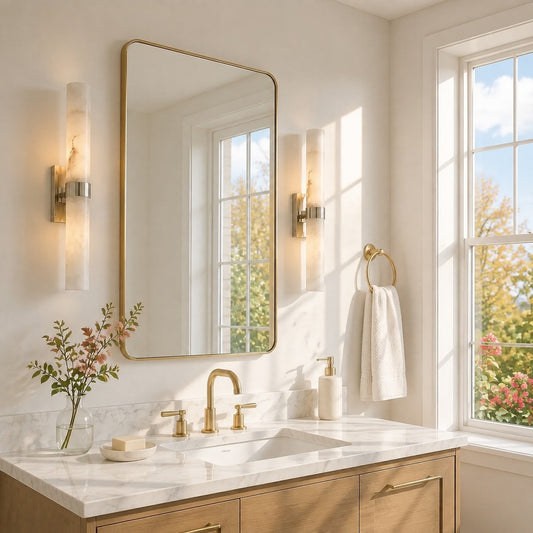
Sometimes, lighting isn't about seeing at all; it’s about being seen. Decorative lighting refers to fixtures that serve as the "jewelry" of a space. Chandeliers, wall sconces, and sculptural floor lamps often fall into this category. Their primary role is to reinforce the interior design style—be it Bauhaus, Industrial, or Nordic Minimalism.

When selecting decorative pieces, look for materials that catch the light even during the day. Polished metals, tinted glass, and high-quality fabrics interact with natural sunlight, ensuring the fixture remains a design asset 24 hours a day.
Further reading: Modern Home Lighting Guide: Elevate Your Living Space with Light
5. Room-by-Room Lighting Strategy

Each room in your home serves a different purpose, and your lighting should reflect that. Here is a quick breakdown of how to apply these types effectively:
The Living Room
This is where you need the most flexibility. Combine a central ceiling fixture (Ambient) with a floor lamp next to a chair (Task) and perhaps a small lamp on a bookshelf (Accent). This allows you to dim the lights for a movie or brighten them for a social gathering.
The Kitchen
Prioritize task lighting. Bright, clear light over the counters is non-negotiable. However, adding pendants over the island creates a warm, social atmosphere that makes the kitchen feel like the heart of the home rather than just a workspace.
The Bedroom
The bedroom should be a sanctuary. Focus on warm, low-kelvin light sources. Use bedside lamps with fabric shades to create a soft glow that signals to your brain it is time to sleep. Avoid harsh overhead lights whenever possible in the evening.
Choosing the Right Color Temperature
Finally, the type of lightbulb you choose is just as important as the fixture. For a cozy, high-end feel, stick to "Warm White" (around 2700K to 3000K). This mimics the golden hour of a sunset and makes skin tones and natural wood textures look their best. Save the "Cool White" for garages or laundry rooms where clinical clarity is the priority.
By thoughtfully mixing foundational pieces like the Jules Ceiling Light with focused task lamps and stunning pendants like the Aetna, you can create a home that is perfectly balanced, highly functional, and undeniably stylish.
Tags:
Vorherige
Wandleuchten 101: So verwenden Sie sie in Schlafzimmern und Fluren
Nächste
Finding the Perfect Fit: How to Choose the Right Lighting Based on Room Size