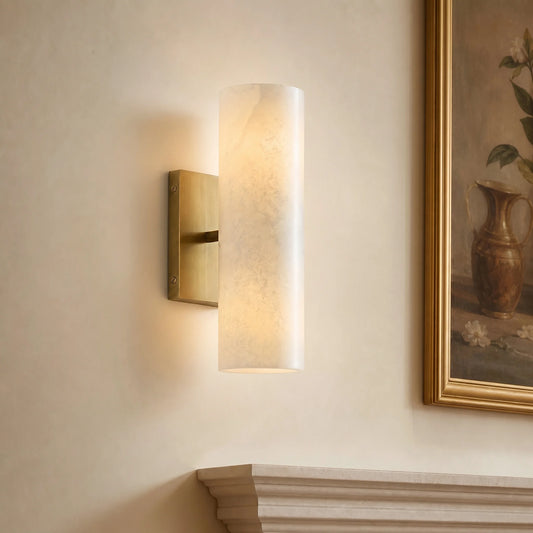
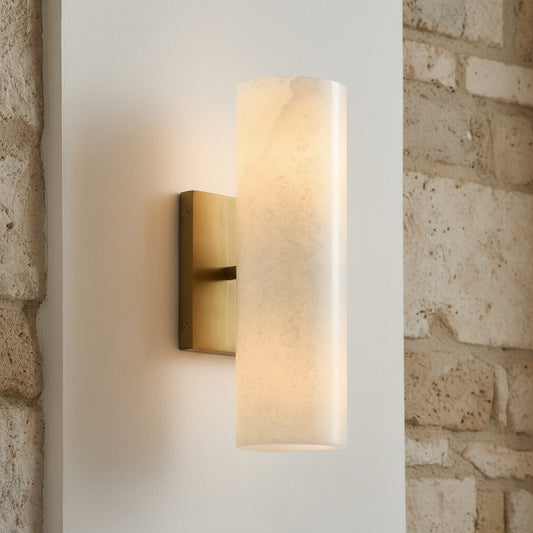
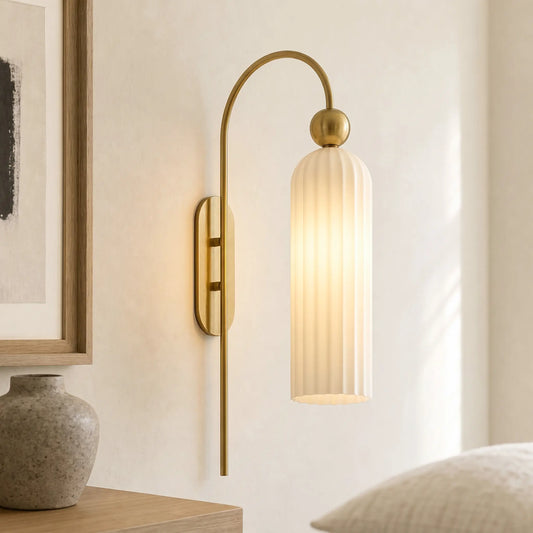
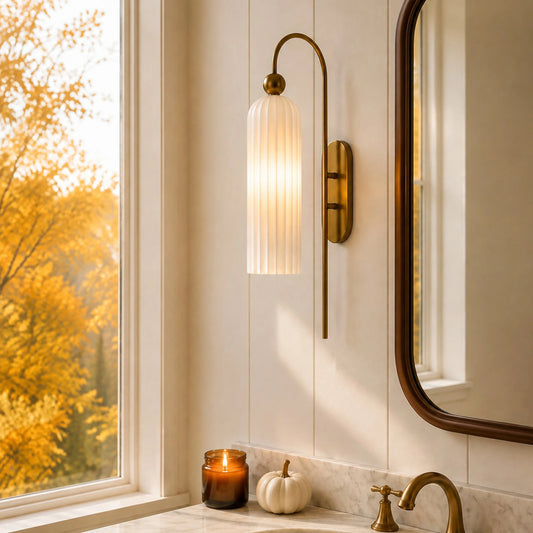

In the early days of residential lighting, a single central fixture was often the only source of light in a room. It was functional, but it lacked drama. Fast forward to today’s interior design landscape, and the most stunning homes share a common secret: the power of multiplicity. Using a single light is a utility; using a combination of lights is an artistic expression.
Glass is the perfect medium for this "combined" approach. Because it is translucent, it doesn’t create a heavy visual block in the room, even when you hang three or four fixtures together. When you choose a piece with a rhythmic texture, like the Vireo Farmhouse Cooper Ribbed Glass Pendant Light, the effect is multiplied. The copper hardware provides the anchor, while the ribbed glass creates a dance of light that travels from one fixture to the next. Let’s explore the professional ways to express design through combined lighting.
1. The Power of Linear Symmetry
The most classic design expression for combined lighting is linear symmetry. This is the "Rule of Three" you often see over kitchen islands or long dining tables. By hanging three identical pendants in a straight line, you create a sense of order and architectural stability.

Why does this work so well with the Vireo pendant? It’s all about the "ribs." When you align several ribbed glass shades, the vertical lines in the glass create a visual rhythm that guides the eye across the room. It makes a kitchen feel longer and more organized. The copper finish on the Vireo Farmhouse Cooper Ribbed Glass Pendant Light adds a repetitive warmth that ties together other kitchen elements like cabinet pulls or faucets.
Further reading:Kitchen Lighting Design: Function Meets Style
2. Staggered Heights: The Visual Waterfall
If symmetry feels too formal for your taste, the "staggered" approach is an excellent way to express a more modern, dynamic personality. This involves hanging a cluster of pendants at varying heights. We call this a "visual waterfall."

This expression is particularly effective in entryways or over round dining tables. Because the Vireo pendant has a relatively compact and elegant silhouette, you can cluster three or five of them together without the space feeling crowded. The light passing through the different levels of ribbed glass creates a shimmering effect, as each shade reflects the light of its neighbor. It turns your lighting into a 3D sculpture rather than just a hanging lamp.
3. Playing with Material Contrast
Combined lighting isn’t just about the number of fixtures; it’s about how they interact with the materials around them. The "Farmhouse Cooper" aesthetic is a design expression that relies on the contrast between "industrial" copper and "organic" glass.

In a combined layout, you can emphasize this by pairing your pendants with natural wood beams or dark stone countertops. The glass keeps the look "light," while the repeated copper accents provide a "metallic heartbeat" to the room. This expression of "New Farmhouse" style is about being cozy but clean—avoiding the clutter of traditional rustic decor in favor of high-quality materials and sharp lines.
4. Rhythmic Shadows and Light Play
One of the most overlooked design expressions of combined lighting is the "shadow play." When you have multiple ribbed glass sources, the light doesn't just fall flat on the floor. The ribs act as prisms, scattering the light in a linear pattern.
When these patterns overlap from two or three different pendants, you create a sophisticated "moiré" effect on the walls. This adds a layer of wallpaper-like texture to the room using nothing but light. It’s an effortless way to make a simple, minimalist room feel high-end and detailed. The more fixtures you combine, the more complex and beautiful these light patterns become.
5. Transitional Flow: Connecting Spaces

You can also use combined lighting to express a "flow" through the home. For example, using a single Vireo pendant in a mudroom and then a matching trio over the nearby kitchen island creates a "visual thread" that pulls the different areas of the home together. It makes the architecture feel intentional and thoughtfully designed. This "repetition of theme" is a hallmark of five-star interior design, creating a sense of calm and continuity for anyone moving through the house.
Further reading:Applications of Glass Pendant Lights in Modern Homes
Conclusion: Multiply Your Style

Whether you choose the discipline of a symmetrical line or the artistic chaos of a staggered cluster, combining glass pendants is the fastest way to elevate your home's design language. The Vireo Farmhouse Cooper Ribbed Glass Pendant Light is an ideal candidate for these expressions because of its rich material contrast and the mesmerizing light patterns created by its ribbed texture. Don't settle for a single point of light when you can create a symphony. By thinking in "groups," you turn your ceiling into a canvas and your lighting into a masterpiece.
Tags:
Previous
The Evolution of Elegance: 2026 Glass Pendant Light Market Trends and Buying Guide
Next
The Art of Glow: Integrating Glass Lighting into Light Luxury Interiors