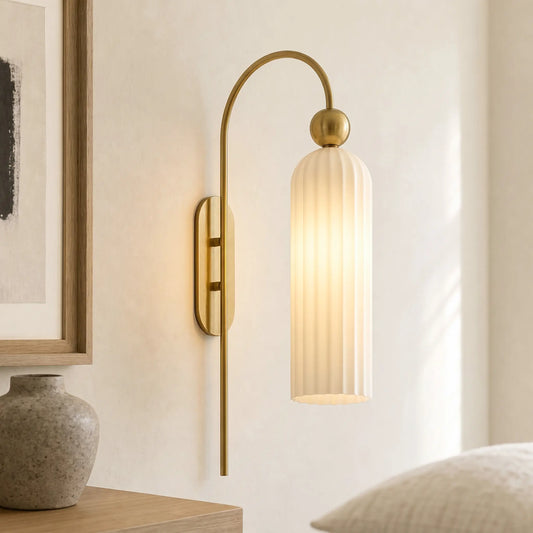
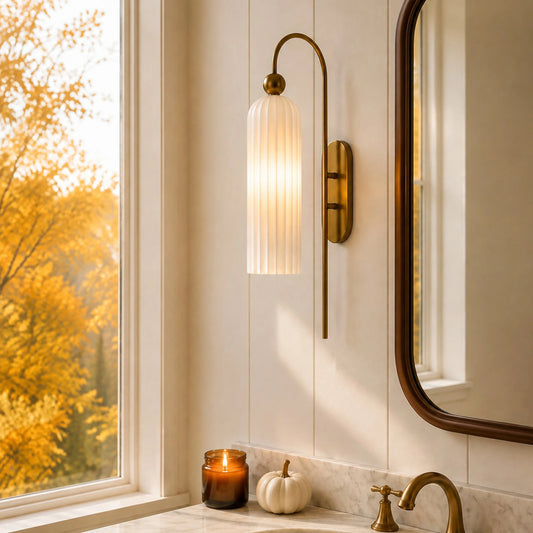
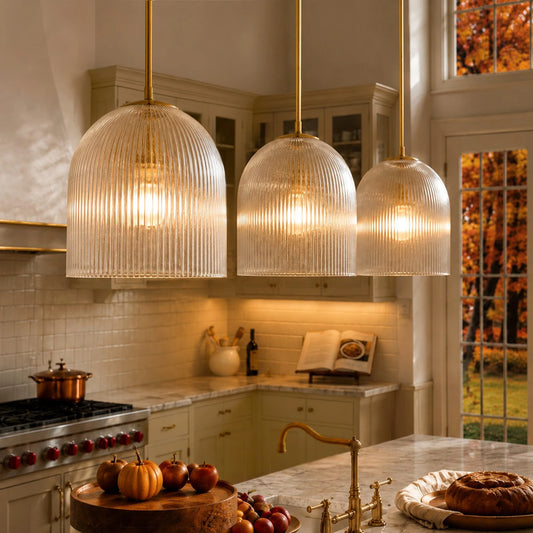
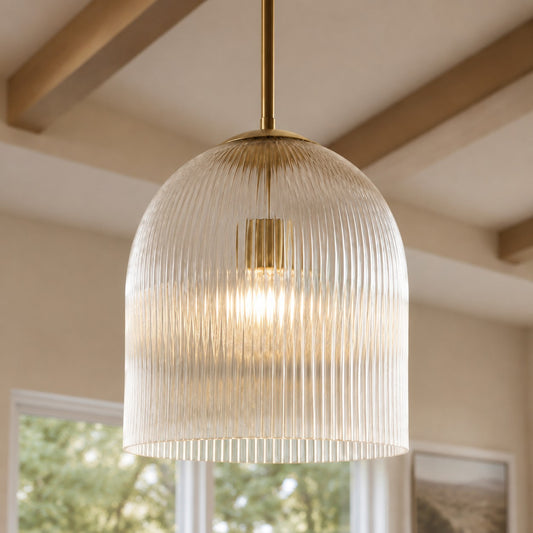
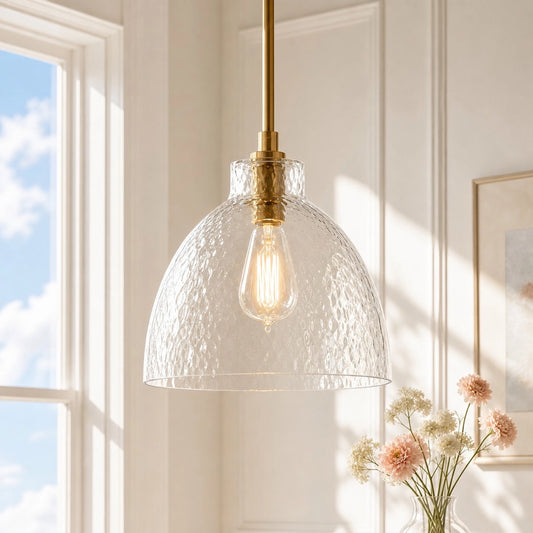
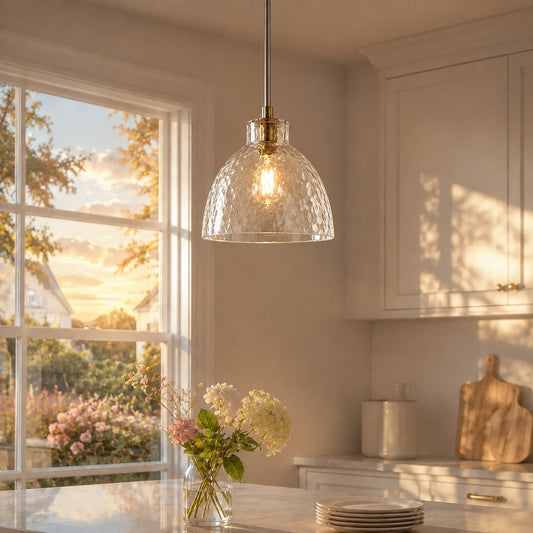

If you were to look at the most iconic interior design projects of the last century, one element remains constant: the pendant light. But what exactly is a glass pendant light, and why has it remained the "crown jewel" of home decor for so long? At its core, a pendant light is a singular fixture that hangs from the ceiling, usually suspended by a cord, chain, or metal rod. When crafted from glass, it becomes a functional piece of art that manipulates light in ways other materials simply cannot.
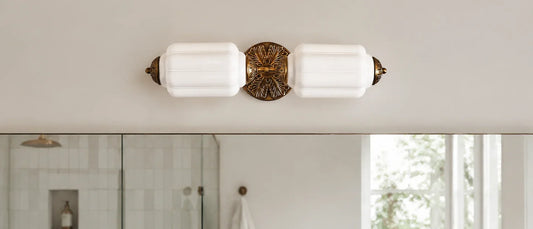
In 2026, the definition of a "standard" pendant has evolved. We have moved away from basic utility and toward sophisticated silhouettes like the Antique Brass Tiered Opal White Glass Pendant Light. To help you choose the right fixture for your home, let’s break down the core features and design principles that define this category.
The Three Core Components of a Pendant Light
To understand a pendant, you must understand its anatomy. Every high-quality glass pendant consists of three main parts:
- The Canopy: This is the decorative plate that attaches to the ceiling and hides the electrical box. In luxury fixtures, the canopy matches the finish of the lamp—such as a rich antique brass.
- The Suspension System: This is the cord or rod that determines the height of the light. Adjustable cords are highly favored in modern design because they allow for customization based on your ceiling height.
-
The Shade: The star of the show. The shade determines how the light is distributed. Glass shades range from clear and seeded to frosted and opal.

Key Feature: The Magic of Opal White Glass
When shopping for glass pendants, you will frequently encounter "Opal Glass." Unlike clear glass, which can be harsh on the eyes, opal glass is made by adding ingredients like bone ash or tin dioxide to the melt. This creates a translucent, "milky" finish that is white and slightly opaque.

The primary benefit of opal glass is diffusion. It hides the unsightly shape of the light bulb and spreads the light evenly in all directions. This makes it an ideal choice for rooms where you want a "glow" rather than a "spotlight." The Antique Brass Tiered Opal White Glass Pendant Light uses this material to create a soft, ethereal ambiance that flatters both the room and the people in it.
Further reading: How to Choose the Right Pendant Light Size
Design Principle 1: Scale and Proportion
One of the most important principles in lighting design is scale. A light that is too small for a room will look like an afterthought; a light that is too large will feel suffocating. The "Tiered" design is a clever solution to this problem. By layering the glass shades vertically, the fixture gains "visual mass" without taking up too much horizontal space. This makes tiered pendants incredibly versatile—they are substantial enough for a dining room but sleek enough for a hallway.
Design Principle 2: The Rule of Odds
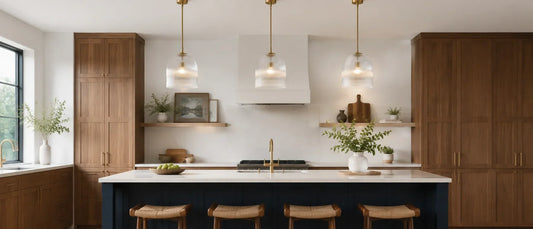
In interior design, we often talk about the "Rule of Three" (or five). When hanging pendants over a kitchen island or a long dining table, using an odd number of fixtures creates a sense of balance and rhythm that is naturally pleasing to the human eye. Because the tiered opal glass design is so visually interesting, even a single fixture can act as a powerful focal point in smaller spaces like a reading nook or a powder room.

The Significance of "Antique Brass" Finishes
Why is antique brass the finish of choice for 2026? While shiny gold can look dated and black can feel too industrial, antique brass offers a "living finish" look. It has a slight patina that suggests the piece has a story to tell. It pairs beautifully with the clean, white aesthetic of opal glass, creating a "Warm Modern" look that fits into almost any decor style, from Mid-Century Modern to Contemporary Farmhouse.
Further reading:The Aesthetic Fusion of Brass Accents and Vintage Elements
Ambient vs. Task Lighting: Where Does the Glass Pendant Fit?
A common misconception is that a pendant can only do one job. However, a tiered glass pendant is a multi-tasker:
- Ambient Lighting: The opal glass fills the entire room with a general level of light.
- Task Lighting: Because the light is suspended lower than a ceiling-mount fixture, it provides plenty of illumination for tasks like reading or cooking.
-
Accent Lighting: The tiered layers create an architectural interest that highlights the design of the room itself.

Conclusion: A Timeless Investment
A glass pendant light is more than just a bulb on a string. It is a carefully engineered tool for shaping your environment. By understanding the core features—like the diffusion of opal glass and the elegance of antique brass—and applying design principles like scale and proportion, you can transform your home into a sanctuary of style. Whether you are doing a full renovation or just looking for a simple upgrade, a tiered glass pendant is a timeless choice that will continue to shine for years to come.
Tags:
Vorherige
Clear vs. Opaque Glass Pendants: The Ultimate Light Effect Showdown
Nächste
The Art of Elevation: How Luxury Lighting Transforms Your Home’s Atmosphere