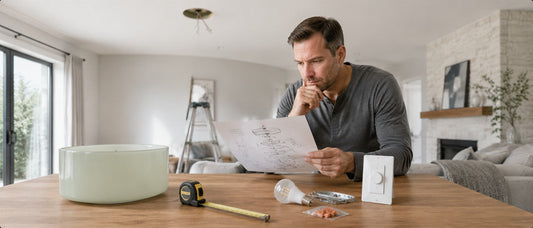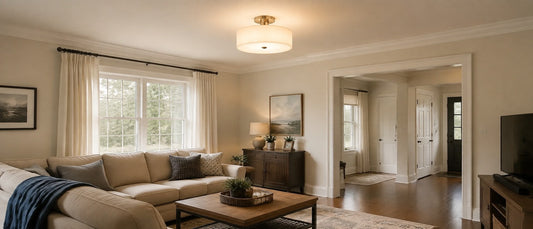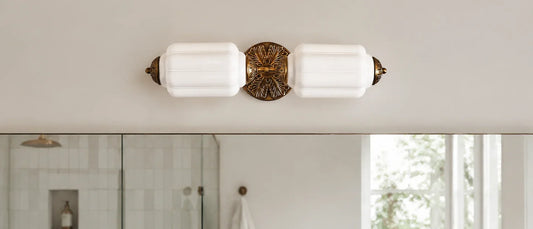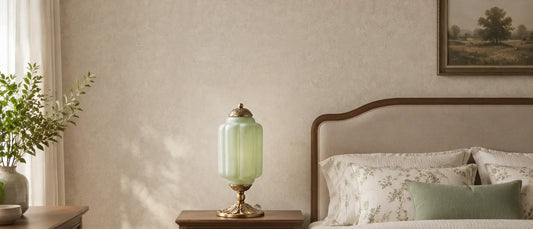
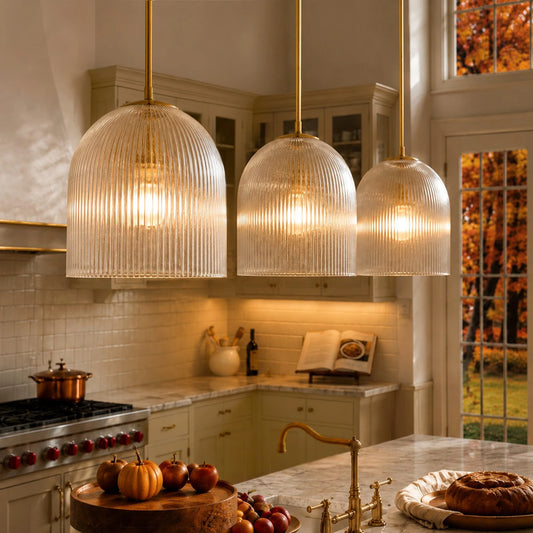
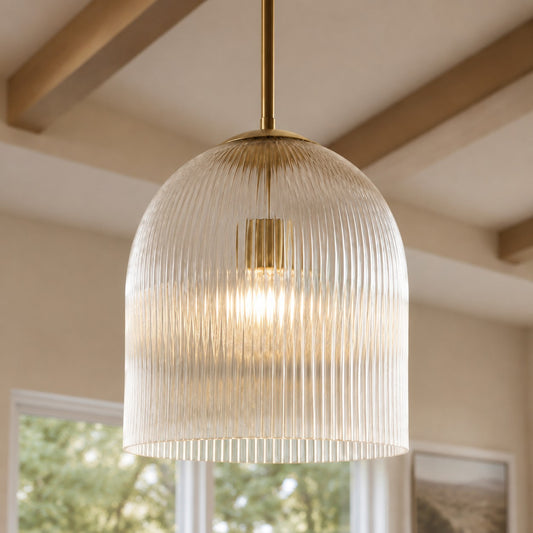
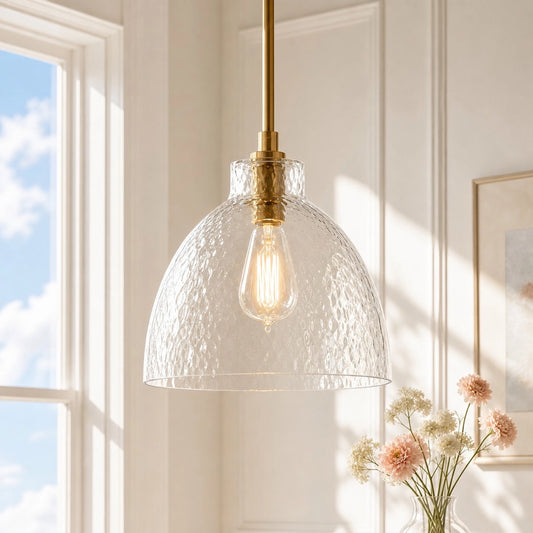
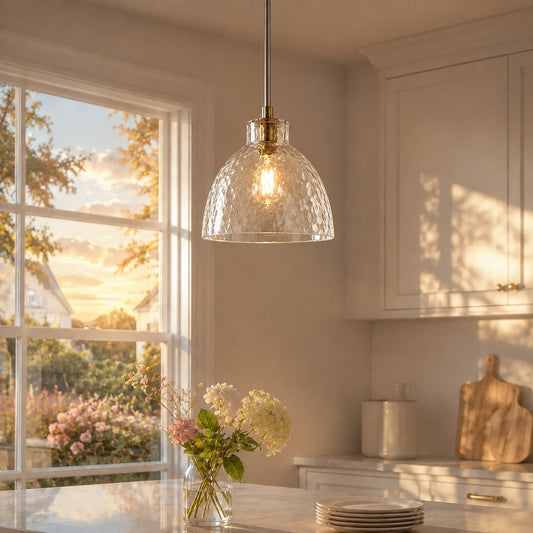

Good lighting does more than brighten a home. It supports the way each room is used, makes colors and materials feel more natural, and gives the interior a clear visual rhythm. The right fixture depends on five connected factors: the room, the activity, the fixture type, the material, and the scale.
Start With Three Layers of Light
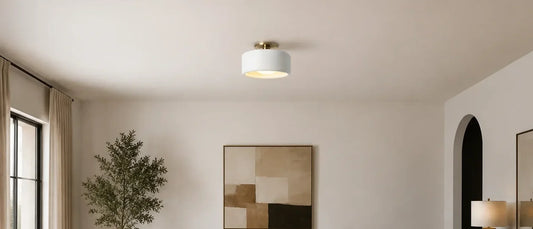
- Ambient lighting provides general illumination through chandeliers, ceiling lights, flush mounts, and larger pendants.
- Task lighting places useful light over an island, beside a bed, above a vanity, or near a reading chair.
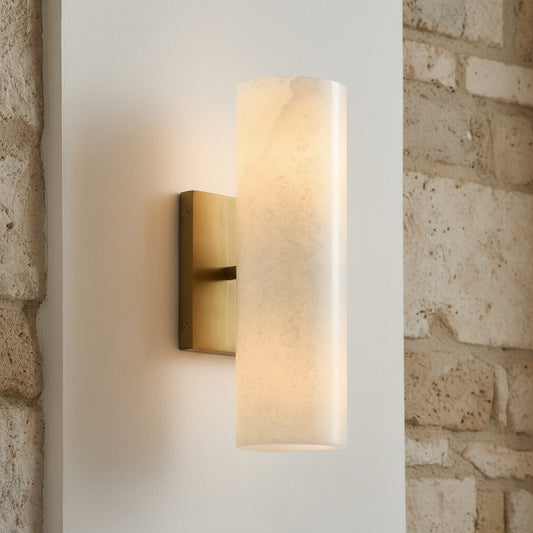
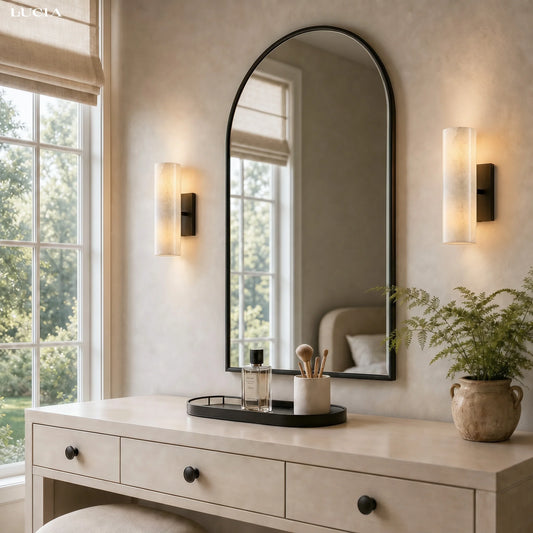
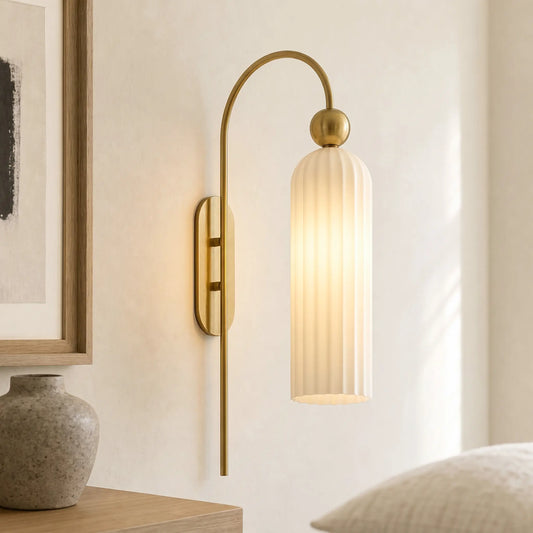
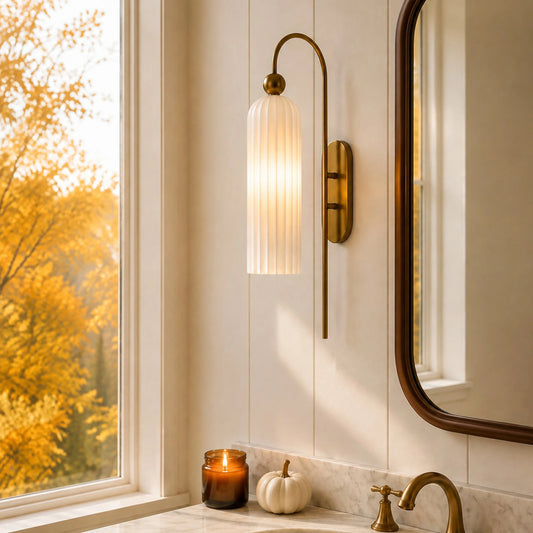
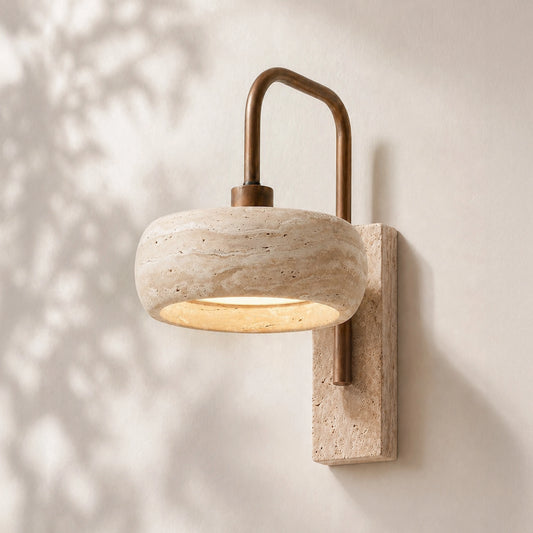
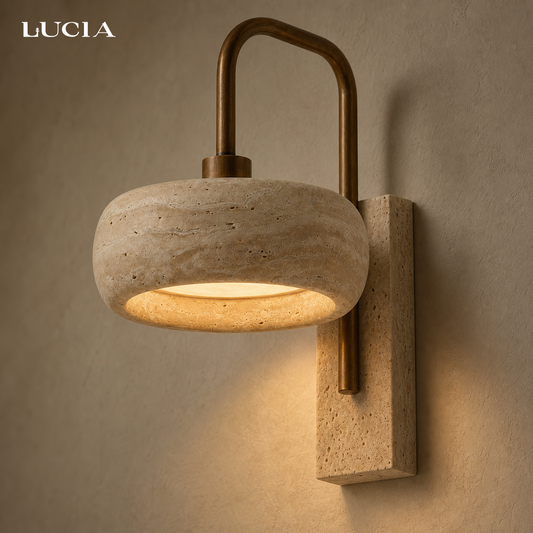
- Accent lighting adds depth with wall sconces, table lamps, and decorative floor lamps.

Kitchen Lighting: Clear, Practical, and Easy to Clean
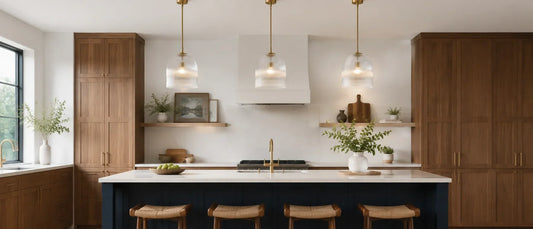
A kitchen needs strong task lighting without harsh glare. Use ceiling lights for general illumination, under-cabinet lighting for counters, and pendants or a linear chandelier over the island. Glass and metal are practical choices because they are generally easier to clean than deeply textured fabric or woven shades.
How Many Pendants Should Go Over a Kitchen Island?
Do not choose the number of pendants by island length alone. Pendant diameter, visual weight, light output, and the location of sinks or cooktops also matter.

| Island length | Starting arrangement | Typical diameter |
|---|---|---|
| 4-5 feet | 1 large or 2 small pendants | 8-12 inches each |
| 6-7 feet | 2 medium pendants | 12-16 inches each |
| 8-9 feet | 2 large or 3 medium pendants | 14-18 inches each |
| 10 feet or longer | 3 large pendants or 1 linear fixture | Based on usable length |
Start with 30-36 inches between the countertop and the bottom of the pendant, 24-30 inches from pendant center to center, and 6-12 inches from each island end to the nearest pendant center.
Dining Room Lighting: Size the Fixture to the Table
In a dining room, the light should relate to the table rather than simply sitting in the center of the room. A useful starting rule is to choose a fixture approximately one-half to two-thirds the width of the table.

| Dining table | Suggested fixture width |
|---|---|
| 36-inch round table | 18-24 inches |
| 48-inch round table | 24-32 inches |
| 60-inch round table | 30-40 inches |
| 72 x 38-inch rectangular table | 26-34 inches |
| 84-96 x 40-inch rectangular table | 30-42 inches or a linear fixture |
With a typical 8-foot ceiling, hang the bottom of the fixture approximately 30-36 inches above the tabletop. For higher ceilings, raising the fixture about 3 inches for each additional foot of ceiling height can be a useful visual starting point.
Choose Lighting by Room
Living rooms benefit from flexible layers of ceiling lights, floor lamps, table lamps, and wall sconces. Bedrooms generally feel comfortable around 2700K, while kitchens and studies often benefit from 3000K to 3500K. Bathrooms require even facial lighting and fixtures with the correct damp- or wet-location listing. Entryways and hallways need comfortable headroom and clear walking paths.
How Material Changes the Light
Clear glass feels open but can reveal glare. Opal or frosted glass diffuses light. Metal creates definition and directs the beam. Fabric softens the atmosphere, while travertine, alabaster, rattan, ceramic, and crystal add their own texture and visual weight.
Final Lighting Checklist
- Match the fixture to the room's main activity.
- Check the fixture diameter and hanging height against furniture and ceiling height.
- Confirm bulb base, lumen output, color temperature, CRI, and dimmer compatibility.
- Use the required damp- or wet-location listing in bathrooms and outdoor areas.
- Have a qualified electrician review installation conditions and local codes.
Tags:
Vorherige
How Low-Profile Ceiling Lighting Is Defining 2026 Interiors
Nächste
How to Choose the Perfect Ceiling Light for Your Room Size, Height, and Style