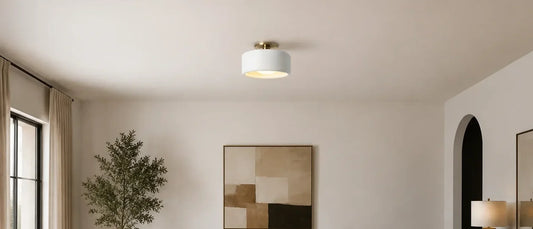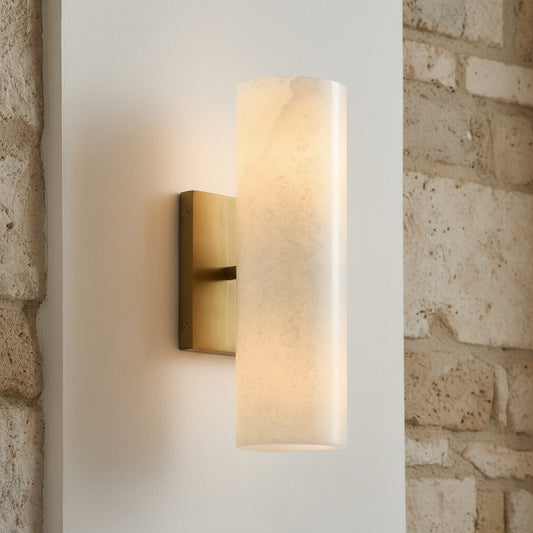
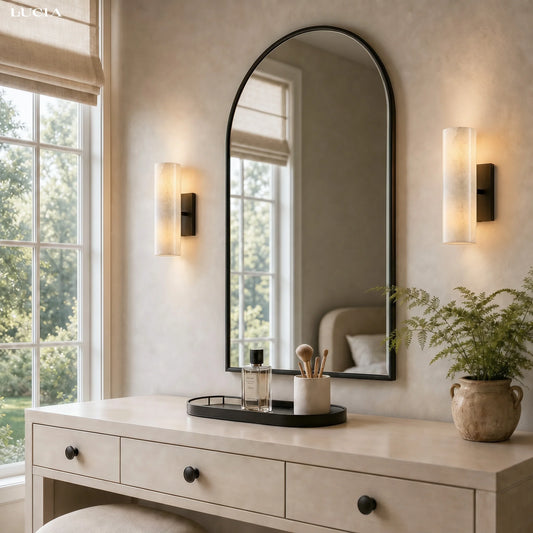
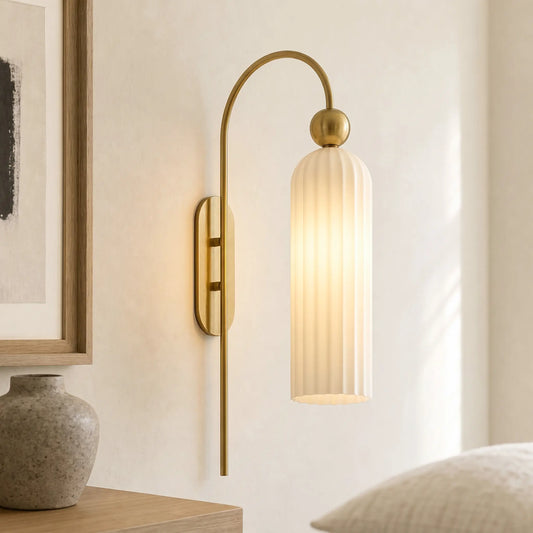
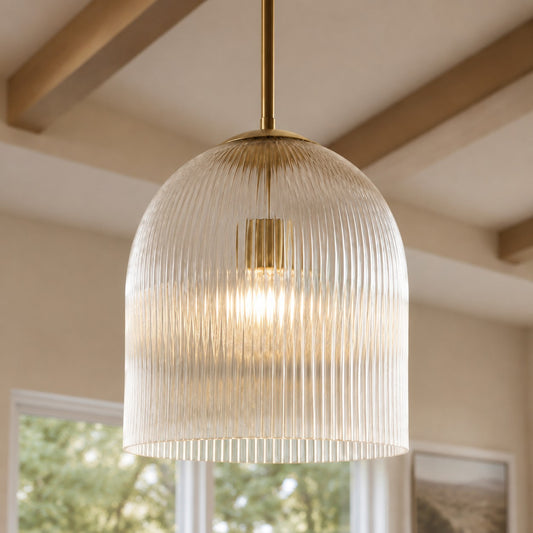
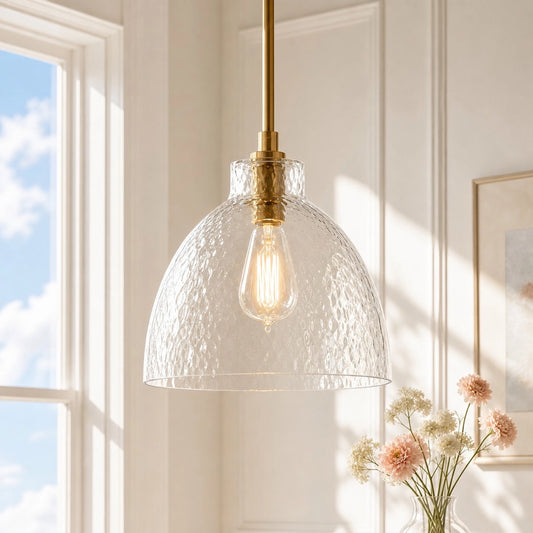
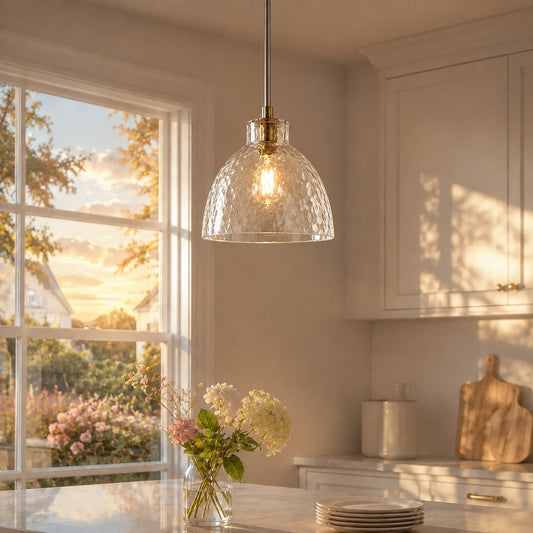

In the world of interior design, trends often swing like a pendulum. We’ve moved away from the heavy, ornate chandeliers of the past and transitioned into an era defined by "Quiet Luxury." Today’s most sophisticated homes aren't shouting for attention; they are whispering through clean lines, intentional negative space, and a design philosophy known as linear minimalism.
As a lighting expert, I’ve watched the "linear" trend evolve from simple fluorescent bars to architectural masterpieces. But here is the professional secret: a "linear trend" doesn't always mean a single long light bar. Often, the most impactful way to achieve this look is through a rhythmic, horizontal arrangement of individual fixtures. By hanging a series of identical pieces, like the Daisy Classic Polished Brass Pendant Light, you create a "horizon line" that guides the eye and expands the perceived width of your room.
The Architecture of the Horizontal Line
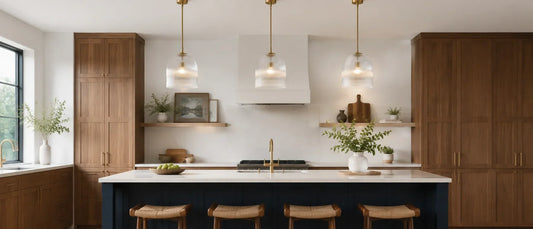
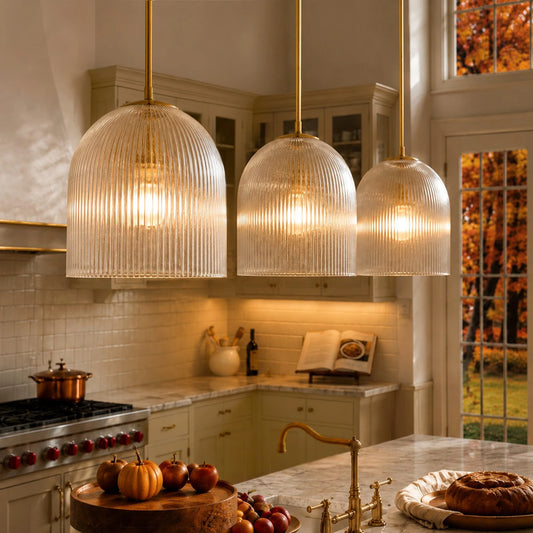
Why are we so drawn to linear lighting right now? It comes down to psychology and architecture. In a world that feels cluttered, horizontal lines represent stability and calm. When you walk into a kitchen where three brass pendants are perfectly aligned over an island, your brain instantly registers order and harmony.

This linear arrangement serves a dual purpose. First, it provides exceptionally even "task lighting" across a large surface. Second, it emphasizes the length of your furniture. If you have a beautiful marble island or a custom-made walnut dining table, a linear lighting configuration acts like a highlighter, drawing the eye to the craftsmanship of your surfaces. The polished finish of the Daisy Classic Polished Brass Pendant Light adds a layer of warmth to this minimalism, ensuring the space feels like a home rather than a gallery.
Further reading: Common Mistakes in Minimalist Lighting Design (And How to Avoid Them)
Minimalism Doesn't Mean "Cold"
A common misconception is that minimalist design has to be clinical or sterile. Early minimalism often relied on matte blacks and brushed silvers, which can sometimes feel "industrial." The modern trend, however, is all about Warm Minimalism.

This is where the choice of material becomes vital. Polished brass is the perfect antidote to the coldness of modern architecture. By taking a minimalist silhouette—like the smooth, unadorned dome of the Daisy—and finishing it in a brilliant, reflective brass, you bridge the gap between "modern" and "inviting." The light bounces off the gold-toned surface, casting a glow that softens the sharp edges of a contemporary room. It’s a way to keep your home looking clean and uncluttered while maintaining a sense of traditional luxury.
The Power of Three: Creating a Visual Rhythm
In the lighting industry, we live by the "Rule of Three." There is something inherently satisfying to the human eye about odd numbers. When creating a linear lighting path, hanging three pendants is the gold standard. It creates a center point and two anchors, providing a sense of completion.

When using a series of pendants to follow the linear trend, spacing is everything. For a standard 8-foot kitchen island, I recommend placing the center of each fixture about 30 inches apart. This ensures the "linear" effect is continuous without the lights feeling crowded. Because the Daisy Classic has such a refined, iconic shape, repeating it three times creates a powerful visual rhythm that defines the entire floor plan.
Further reading:Best Materials for Minimalist Lighting: Glass, Metal, or Stone?
Linear Trends Beyond the Kitchen
While we often think of linear lighting over an island, this trend is migrating into other areas of the home:
- The Home Office: Hanging a pair of polished brass pendants over a long desk creates a professional yet high-design workspace that replaces the "boring" desk lamp.
- The Long Hallway: Instead of recessed "can" lights, a series of pendants creates a rhythmic gallery feel that makes a hallway a destination rather than just a passage.
-
The Bathroom Vanity: Moving away from the traditional "vanity bar," designers are now hanging small pendants in a linear row over the mirror for a boutique hotel aesthetic.

Sustainable Style: Choosing Timeless over Trendy
The problem with many "minimalist" trends is that they can look dated within a few years if the design is too experimental. True minimalism relies on shapes that have existed for centuries. The dome is one of those shapes. By choosing a high-quality material like polished brass, you aren't just following a 2026 trend; you are investing in a look that will remain relevant as your personal style evolves.

Conclusion: Defining Your Modern Space
Minimalist linear lighting is more than just a passing fad; it is a reflection of how we want our homes to feel—organized, spacious, and warm. Whether you are illuminating a sprawling kitchen island or adding character to a minimalist home office, the arrangement of your fixtures is just as important as the fixtures themselves. The Daisy Classic Polished Brass Pendant Light provides the perfect building block for this look, offering a sophisticated shine and a timeless silhouette that turns "less" into "so much more."
Tags:
Vorherige
Lighting Placement Guide: Where to Put a Floor Lamp in Every Room
Nächste
Mastering the Reading Nook: A Guide to Sofa-Side Lighting Bliss