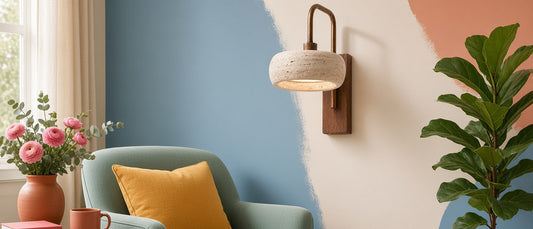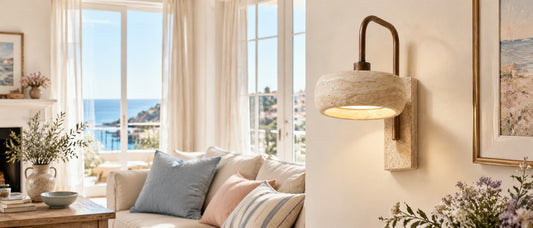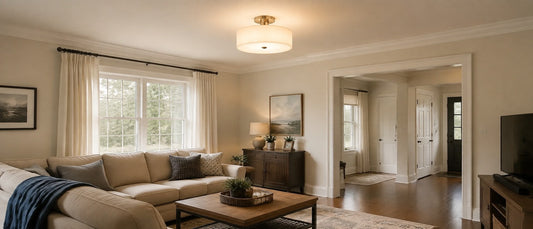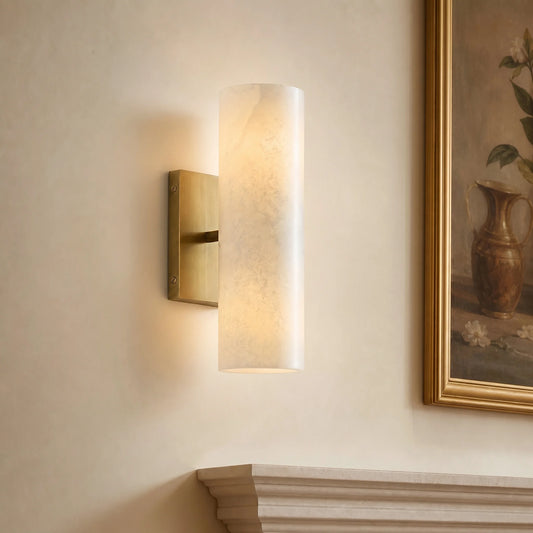
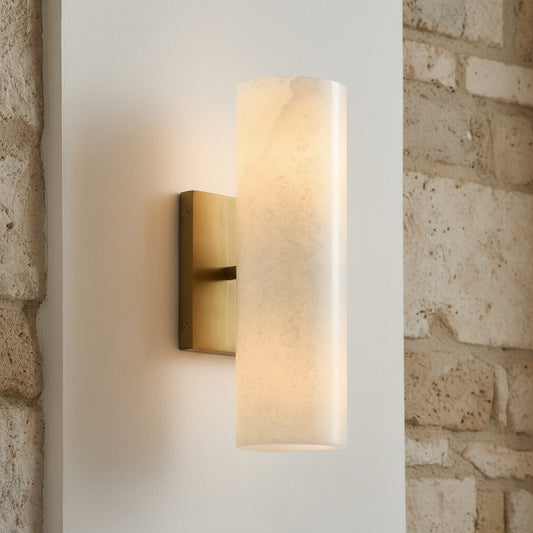
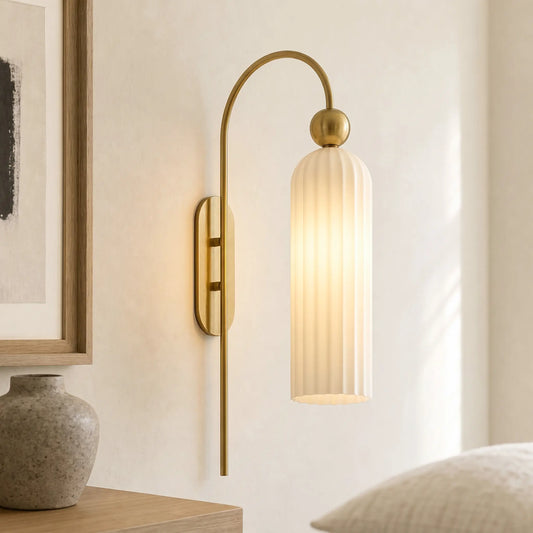
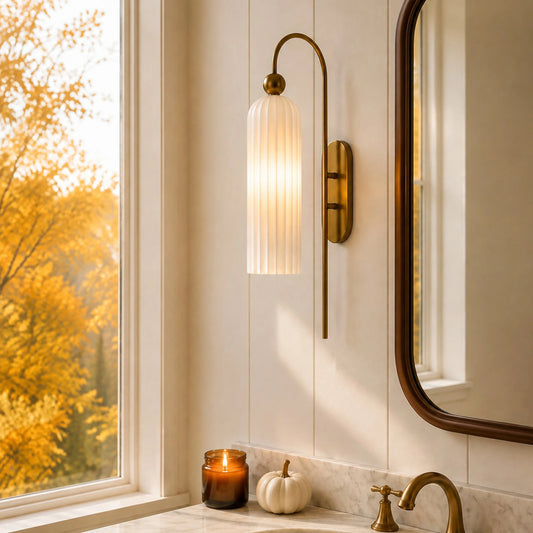
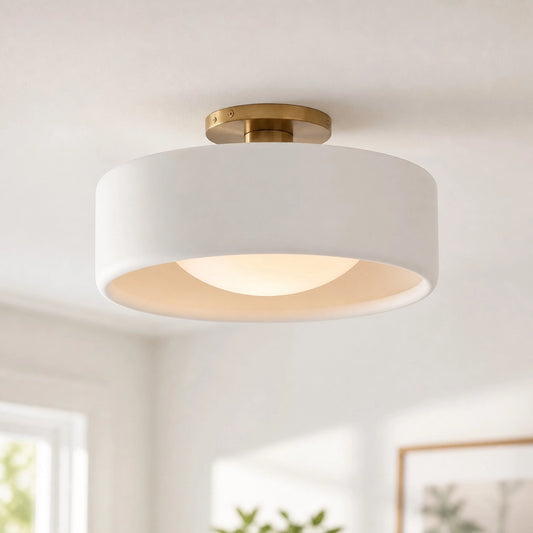
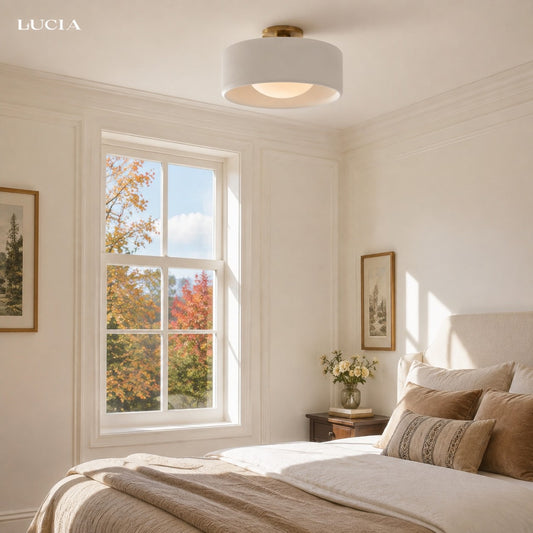
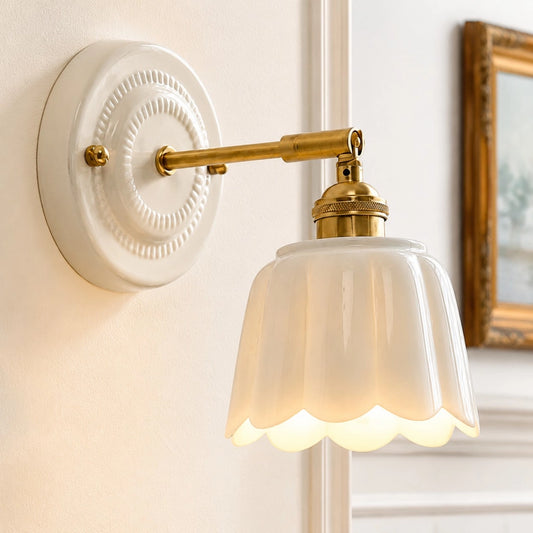
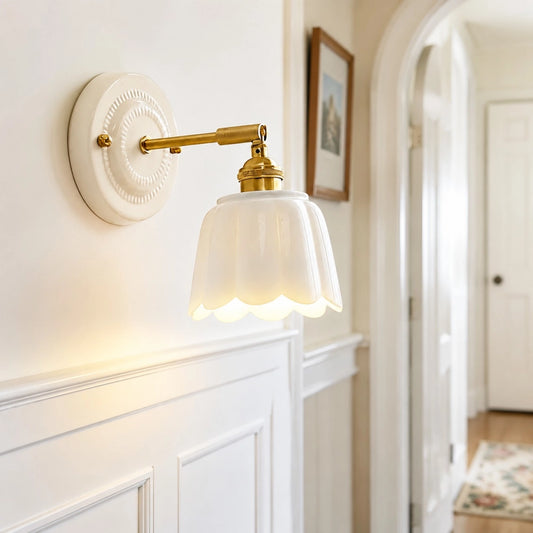

When we talk about lighting, we usually talk about lumens, watts, and shapes. But in the realm of minimalist design, there is a fourth element that is arguably more important: Materiality. Because minimalist interiors lack excessive decoration, the texture of the objects you choose becomes the decor.
The material of your light fixture changes how the light is cast, how the fixture ages, and the emotional "temperature" of the room. Today, we are analyzing the "Big Three" of minimalist lighting materials: Glass, Metal, and Stone. Which one is right for your sanctuary?
1. Glass: The Ethereal Transmitter
Glass is the traditionalist’s choice, but in modern design, it takes on a specific role: transparency.
The Aesthetic
Glass fixtures are about weightlessness. A clear glass globe or a smoked glass shade takes up very little "visual real estate." It allows you to see through the fixture to the architecture behind it. This makes glass ideal for small apartments or rooms with distinct architectural features (like crown molding) that you don't want to obscure.

The Lighting Effect
Glass is omnidirectional. It sends light in every direction—up, down, and sideways. This is great for general ambient lighting but can be tricky if you are sensitive to glare. You will often need to pair glass fixtures with frosted bulbs or dimmer switches to control the brightness.
The Verdict
Choose glass if you want the light fixture to "disappear" or if you need to maximize the perceived size of a small room. Be warned, however: glass is high maintenance. Dust, fingerprints, and smudges are instantly visible, requiring frequent polishing.
Further reading: Cleaning and Long-Term Care for Glass Lighting Fixtures
2. Metal: The Nordic Anchor
If you look at the top interior design magazines coming out of Copenhagen or Stockholm right now, metal is the undisputed king. But we aren't talking about the shiny chrome of the 80s or the rustic bronze of the early 2000s. We are talking about Matte, Powder-Coated Metal.

The Aesthetic
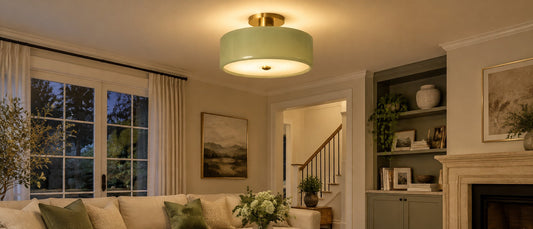
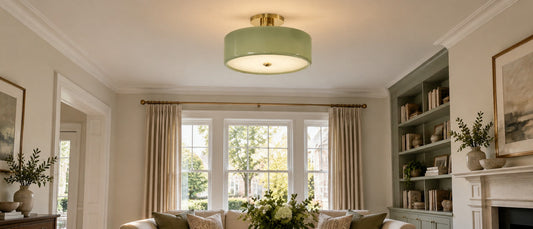
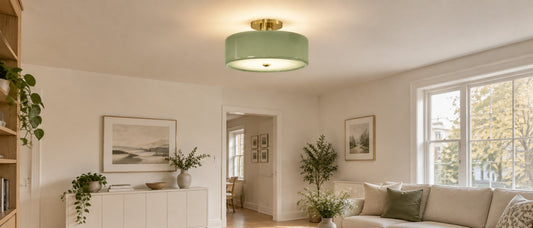
Metal provides "grounding." In a room filled with soft textiles (sofas, rugs, curtains), a metal fixture introduces a necessary hardness and structure. It feels permanent and intentional. The current trend favors "Morandi" colors—muted, earthy tones like sage green, dusty blue, and warm cream. These colors soften the industrial nature of the metal, making it feel organic.
The Lighting Effect
Unlike glass, metal is opaque. A metal shade directs light specifically where the opening points—usually downward. This creates "pools" of light, which is essential for creating a cozy, intimate atmosphere (the Danish concept of hygge). It eliminates glare and highlights the surface below, such as a dining table or a book.
For those looking to introduce this aesthetic easily, the Nerys Nordic Minimalist Morandi Matte Metal Pendant Light is the benchmark. Its matte finish absorbs harsh reflections, and the directed light output makes it perfect for creating focused, calm zones in your home.
The Verdict
Choose metal if you want a low-maintenance, durable fixture that adds a pop of sophisticated color and structure to your room. It is the most versatile choice for modern American homes.
3. Stone: The Luxury Statement
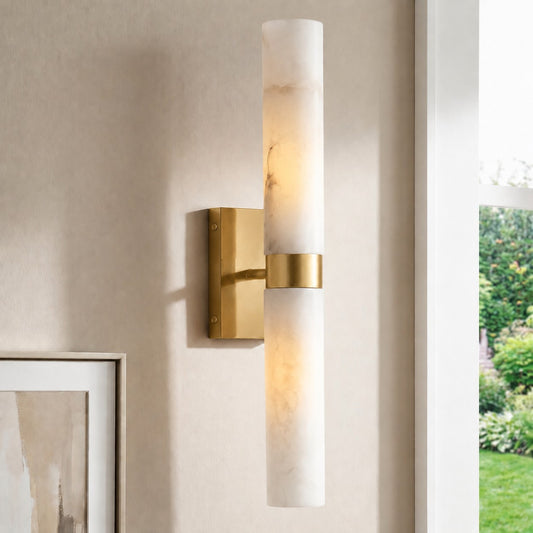
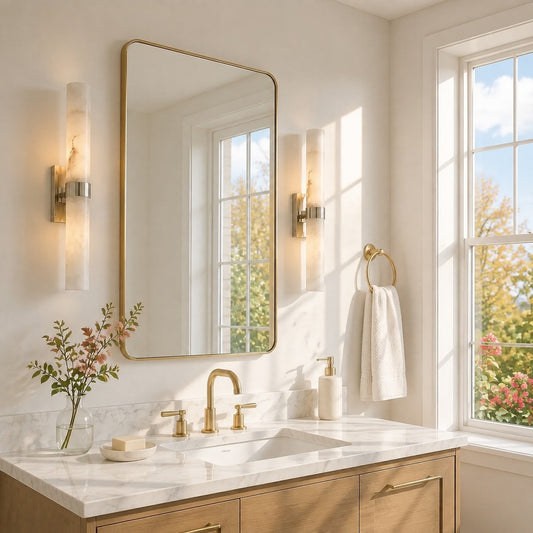
Stone—specifically marble, travertine, and alabaster—is having a major moment in high-end minimalist design. It bridges the gap between raw nature and refined luxury.

The Aesthetic
Stone fixtures are heavy, both physically and visually. They serve as sculpture. Because stone is a natural material, every single fixture is unique, featuring different veins and variations in color. This appeals to the minimalist desire for authenticity.
The Lighting Effect
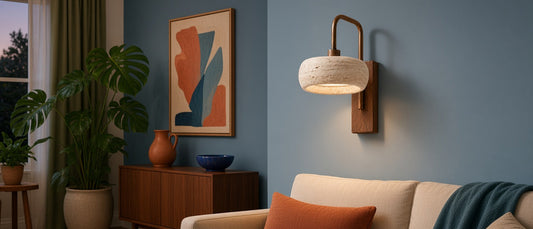
Stone can be opaque (like dark marble) or translucent (like alabaster or onyx). Translucent stone glows warmly when lit, highlighting the natural grain of the rock. It creates a very soft, romantic mood light that is less about utility and more about atmosphere.
The Verdict
Choose stone if you have a higher budget and want a "hero piece" for a specific corner of the room. Note that stone fixtures are heavy and may require reinforced junction boxes in your ceiling.
Further reading:Structural Stability of Pendant and Ceiling Lights
Comparison: Which Fits Your Lifestyle?
| Factor | Glass | Matte Metal | Stone |
|---|---|---|---|
| Durability | Fragile | Very High | High (but brittle) |
| Maintenance | High (Dust visible) | Low (Easy wipe) | Medium (Porous) |
| Light Quality | Bright, Omnidirectional | Focused, Directional | Soft, Diffused Glow |
| Cost | Low - Medium | Medium | High |

Mixing Materials: The Expert Move
You don't have to stick to just one material. In fact, the most interesting minimalist homes use contrast to create depth.
Imagine a kitchen with white quartz countertops (Stone element). Installing clear glass pendants might make the space feel too sterile and cold. Instead, introducing a fixture like the Nerys Matte Metal Pendant creates a beautiful friction between the cold stone counter and the warm, soft-touch metal shade. This balance makes the room feel curated rather than catalog-bought.
Conclusion
When selecting your lighting, look at what your room is missing. Does it feel too dark and heavy? Go for Glass. Does it feel too plain and needs a focal point? Go for Stone. Does it feel too cluttered and needs calming structure? Go for Matte Metal.
For 90% of households, matte metal offers the best balance of style, durability, and light quality. It is forgiving, beautiful, and timeless—everything a minimalist home should be.
Further reading: How to Choose Minimalist Lighting Fixtures Without Overdecorating
Tags:
Previous
5 Minimalist Lighting Mistakes That Ruin Your Home’s Vibe (And How to Fix Them)
Next
Pendant vs. Flush Mount: Which Lighting Suits a Minimalist Home?