
The dining room is more than just a place to eat; it’s the heartbeat of the home. It’s where Sunday brunches turn into long conversations and where evening meals provide a sanctuary after a busy day. However, the secret to a truly inviting dining space isn't just the food or the furniture—it’s the lighting. Specifically, the "ambient glow" that hovers just above the table.
As a lighting specialist, I’ve seen how a poorly chosen fixture can make a room feel cold or clinical. To create a space where guests want to linger, you need a "light zone" that feels intimate yet bright. Today, we’re exploring how to layer light and why a floral-inspired, retro aesthetic is the perfect way to achieve that "pastoral" warmth in a modern home.
1. Understanding the Concept of a 'Light Zone'
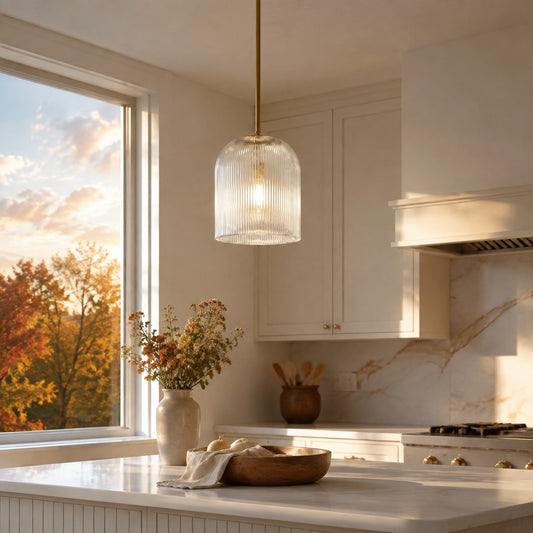
In interior design, we often talk about creating zones. Above a dining table, you aren't just looking for general illumination; you are looking to create a visual anchor. A pendant light should act as a glowing canopy that draws people toward the center of the room. This effect is best achieved with glass fixtures that allow light to breathe rather than trapping it in a heavy metal shade.

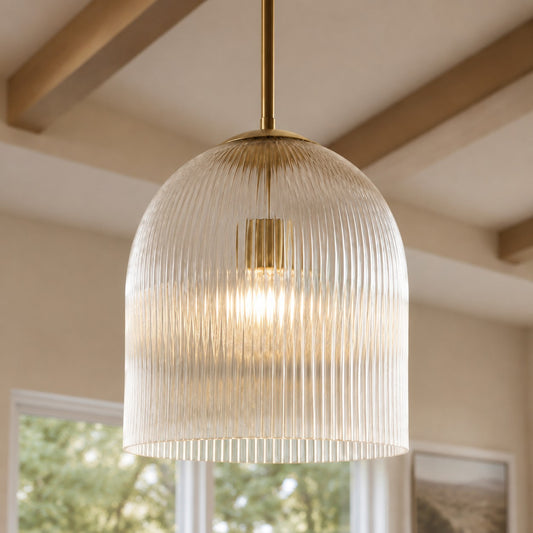
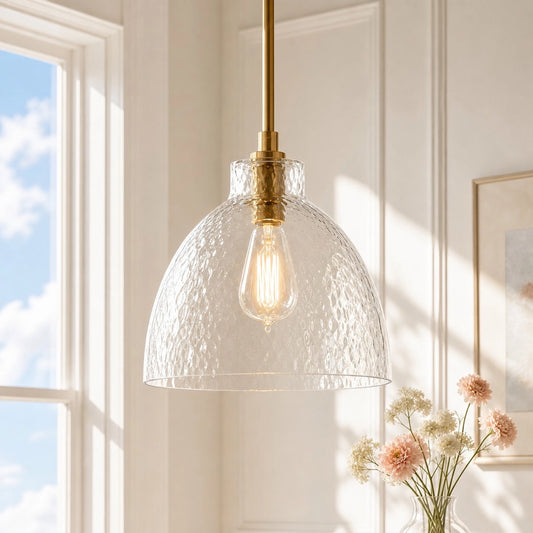
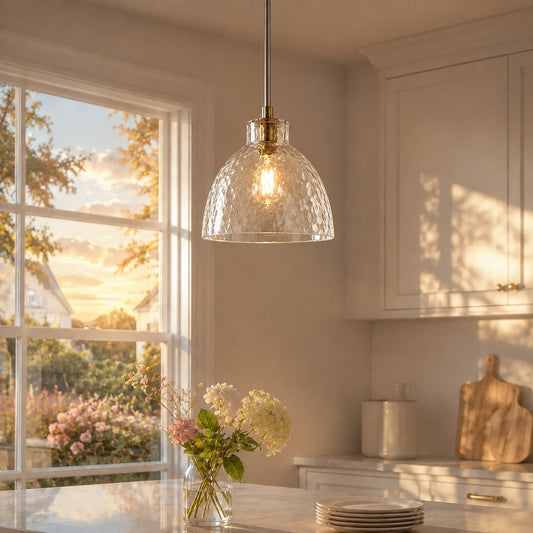
If you are looking for that perfect balance of vintage charm and modern clarity, the Typhon Retro Pastoral Glass Flower Pendant Light is a masterclass in ambient design. Its delicate glass petals don't just hold the light; they soften it, spreading a gentle glow across the table surface without the harsh shadows often found in industrial styles.
Further reading: What are Glass Pendant Lights? Key Features & Design Principles
2. The Rule of Three: Layering Your Light
One common mistake is relying solely on a single overhead light. To get that high-end, professional look, you need layers. Ambient lighting (your main pendant) provides the foundation, but adding secondary sources—like wall sconces or a nearby floor lamp—prevents the corners of the room from feeling dark and cavernous.

When the centerpiece is as visually striking as a glass flower pendant, the light it casts becomes a decorative element in itself. By using a dimmer switch, you can transition from "task lighting" (for a family board game night) to "ambient lighting" (for a romantic dinner) in seconds. This flexibility is what turns a house into a home.
3. Finding the "Sweet Spot" for Height
Height is everything when it comes to dining table pendants. Hang it too high, and the light dissipates into the ceiling, losing its intimacy. Hang it too low, and you block the view of the person sitting across from you. The golden rule? The bottom of your pendant should sit approximately 30 to 36 inches above the table surface.

For a fixture like the Typhon Glass Flower Pendant, this height allows the intricate glasswork to be appreciated at eye level. The light catches the "petals" of the glass, creating a sparkling effect that enhances the texture of your dinnerware and the natural colors of your food.
Further reading: Light Diffusion Characteristics of Clear Glass Lighting
4. Matching Your Lighting to Your Aesthetic
Modern homes often lean toward "Pastoral" or "Cottagecore" elements to balance out clean, minimalist lines. The retro floral aesthetic is making a huge comeback because it adds a touch of organic softness to a room. A glass flower design breaks up the hard edges of a rectangular dining table and brings a bit of the garden indoors.

Choosing a fixture with a "pastoral" feel doesn't mean your home has to look like a farmhouse. It’s about texture. Clear, rippled glass or petal-shaped shades interact with the light in a way that flat plastic or metal simply cannot. It creates a "shimmer" rather than just a "beam."
5. Maintenance and Sparkle
To keep that ambient glow perfect, glass fixtures need to stay clean. Because the Typhon uses high-quality glass, a quick dusting once a month is usually all it takes to keep the light crisp and the glass clear. When the glass is pristine, it refracts the light beautifully, creating those tiny "rainbow" glints that make a room feel magical in the evening.

Conclusion: Lighting is the Final Ingredient
You’ve picked the table, the chairs, and the rug. Don’t let the lighting be an afterthought. By focusing on a "zone" of light that is warm, adjustable, and visually captivating, you transform every meal into an event. The right pendant light isn't just a lamp—it's the soul of your dining room.
Tags:
Vorherige
Bathroom Lighting Guide: Creating a Safe, Bright, and High-End Sanctuary
Nächste
The Art of Minimalist Lighting: How to Choose Fixtures That Aren't Boring or Busy