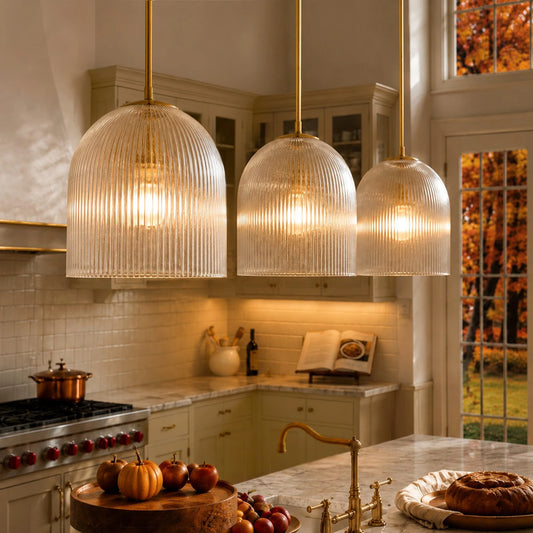
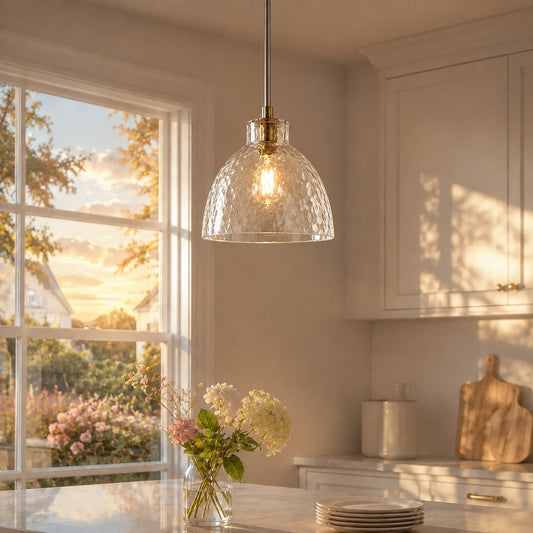

The strongest open-concept lighting plans do not ask one fixture to serve the entire living and dining area. Use a broad ambient layer for circulation, a clear focal light over the dining zone, and lower accent or task light where people read and relax.
The two ceiling fixtures should relate without becoming a matched set. Keep their light color, visual weight, or finish temperature connected, then let each shape respond to the furniture below it.

Map the Two Zones Before Choosing Fixtures
Mark the sofa group, dining table, main walking route, and sightline from the entry. If stone, wood, metal, and glass already compete across the open room, Common Interior Design Mistakes When Mixing Natural Materials helps simplify the material palette before lighting is added.
Place the dining light from the table center, not the room center. Place the living-room ceiling light from the seating and circulation plan. These reference points often differ, and that is normal.

Combination 1: Semi-Flush Ambient Light Plus a Dining Pendant
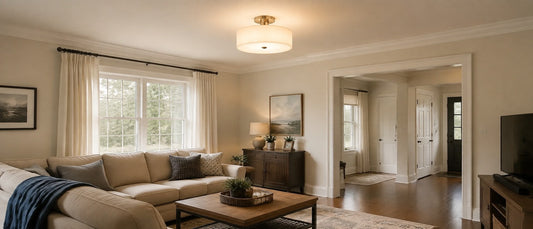
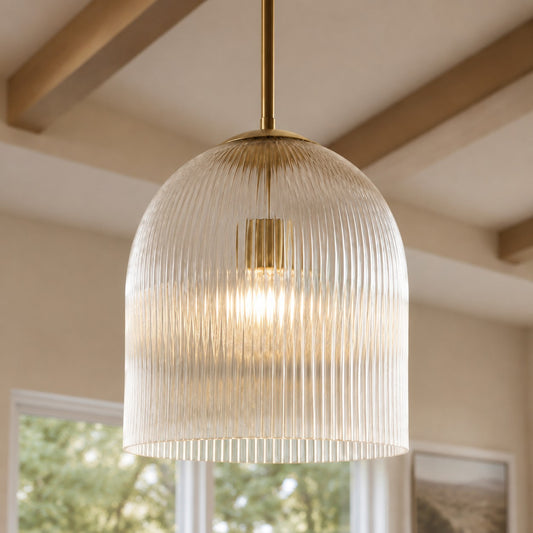
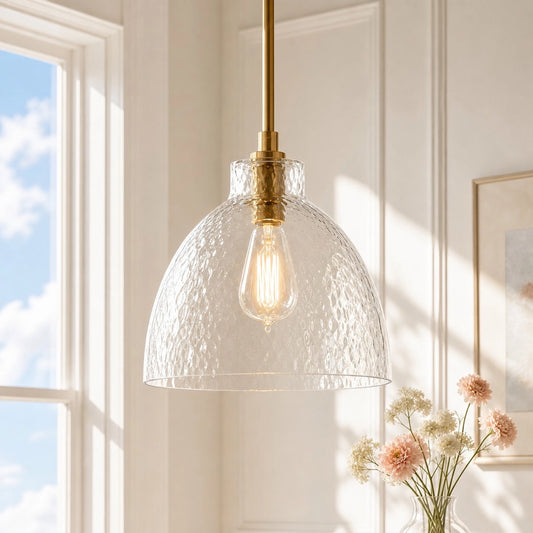
This is the most adaptable combination for standard or moderately low ceilings. A shallow fixture such as the Evron Modern Drum Glass Porcelain Semi Flush Mount Ceiling Light can provide calm living-room ambient light, while a pendant over the dining table creates a lower focal point without entering the circulation route.
Keep the pendant visually narrower than the table and confirm its lowest point while seated and standing. Let the living fixture stay broader and quieter so the two zones do not compete.
Combination 2: Two Close-to-Ceiling Fixtures With Different Roles

When the entire ceiling is low, use two flush or shallow semi-flush fixtures instead of forcing a pendant. Give the dining fixture more texture or a stronger edge, and let the living fixture use softer diffusion. The hierarchy should still be visible even when both fixtures have similar depth.
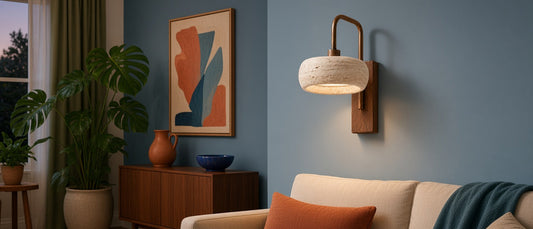
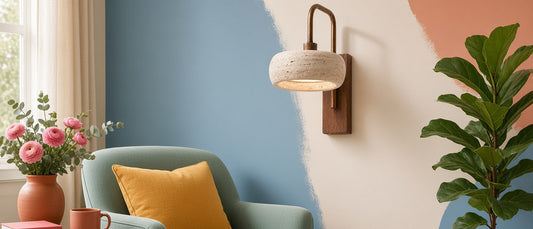
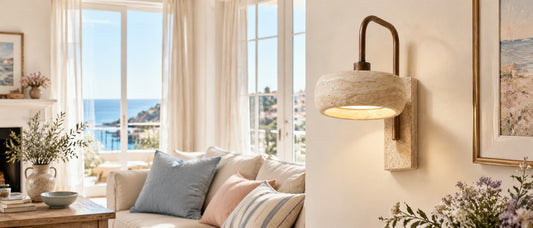
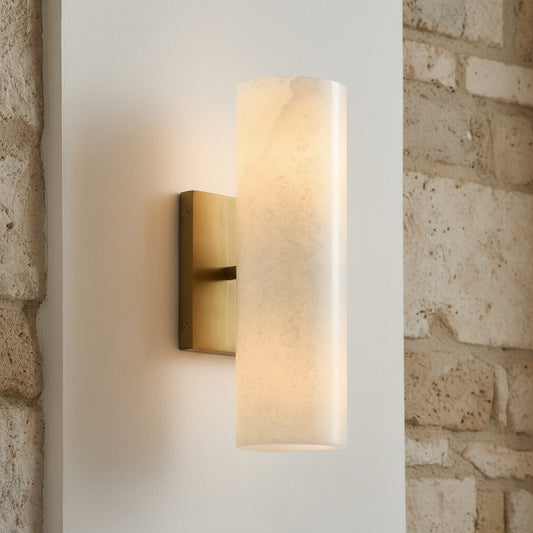
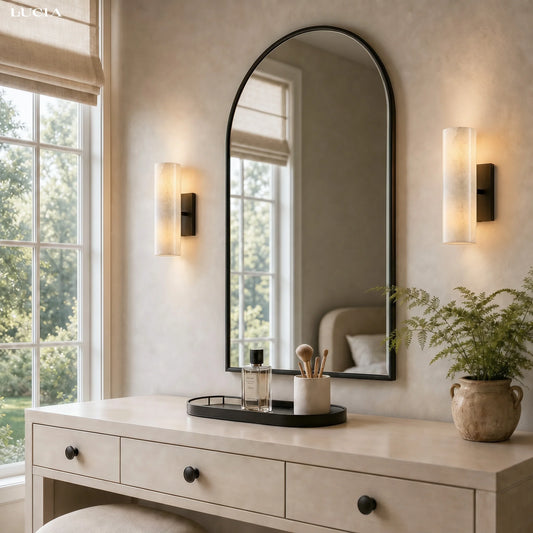
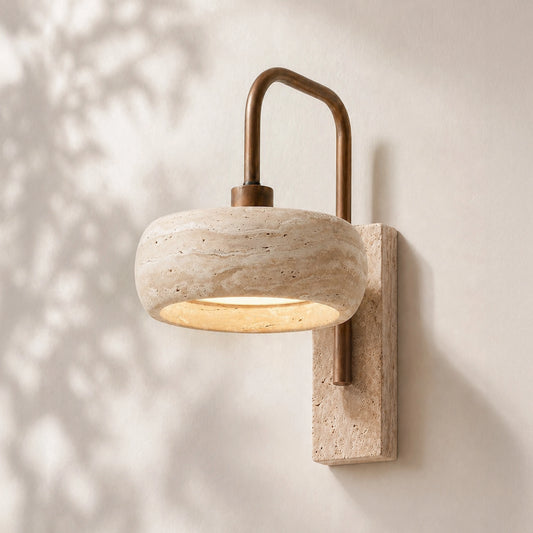
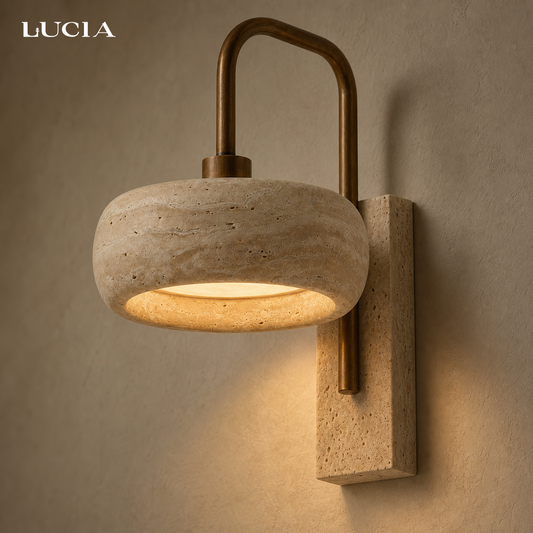
If the ceiling layer feels too flat, add eye-level glow rather than increasing fixture depth. A wall layer such as Tavik's natural stone profile can give the living zone warmth while preserving clear height.
Combination 3: One Statement Ceiling Light Plus Quiet Supporting Light
Use this when one zone already has a strong architectural focal point. Let a distinctive dining or living fixture lead, then use recessed, track, flush, or discreet semi-flush lighting in the secondary zone. Repetition should come from light quality or finish, not from copying the same silhouette.
Keep Three Things Consistent Across the Open Plan

Light color
Use a consistent warm range across connected zones unless one task has a clear reason to differ. A visible color shift between the living and dining areas makes even coordinated fixtures look unrelated.
Dimming behavior
The living area may need low evening light while the dining table needs brighter serving light. Put zones on separate compatible controls so the room can change without switching every fixture together.
Visual weight

Compare the fixtures from the main doorway and from the sofa, not only in separate product photos. What Interior Designers Look for When Choosing Ceiling Lighting for Modern Homes explains the performance and maintenance checks designers use before approving the final shortlist.
Measurements That Prevent an Expensive Mismatch
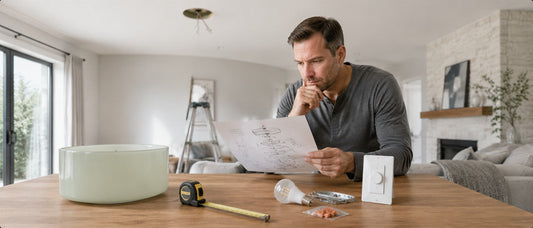
Record ceiling height, table length and width, fixture diameter, installed depth, distance between zones, and the view from adjacent rooms. Use paper discs or lightweight cardboard profiles at the listed dimensions before ordering.
When a low-profile living-room anchor fits the measured plan, review Evron's diameter, depth, and diffuser before confirming the electrician's ceiling-box position.
FAQ
Do living and dining ceiling lights need to match?
No. They should share one or two cues such as finish temperature, light color, material softness, or visual weight while serving different furniture zones.
Can an open-concept room use two statement lights?
Yes, but one should still lead. Separate them by scale, detail, or brightness so the room does not feel like two competing displays.
Should both ceiling lights use the same dimmer?
Separate controls are usually more useful because dining and living activities need different brightness at different times.
Tags:
Previous
Why Your Bedroom May Need Wall Lighting Instead of Another Table Lamp
Next
What Interior Designers Look for When Choosing Ceiling Lighting for Modern Homes