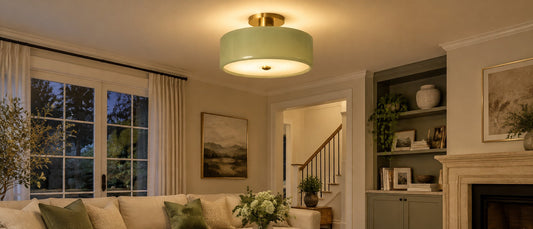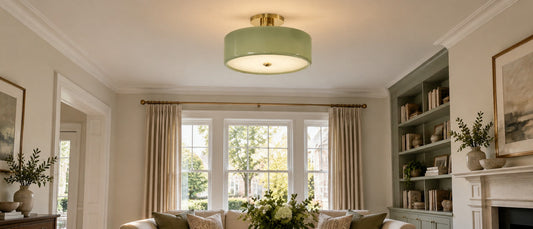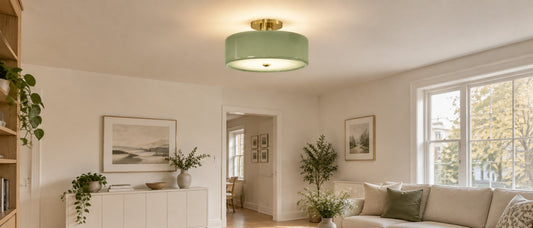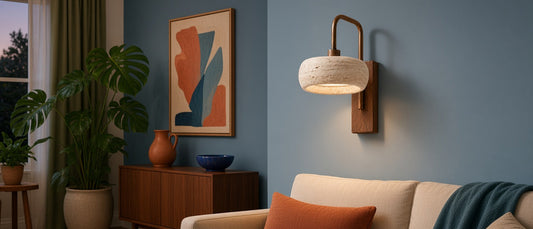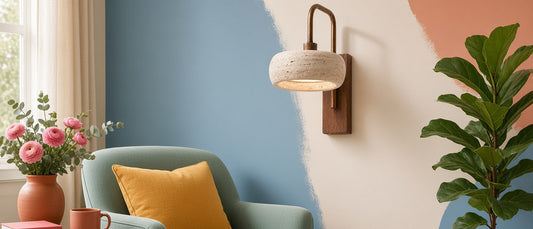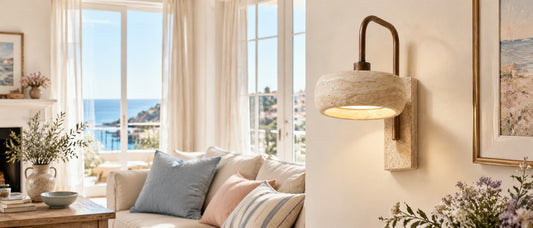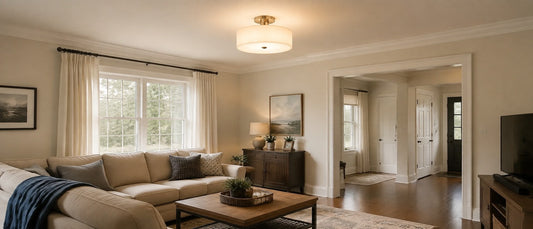
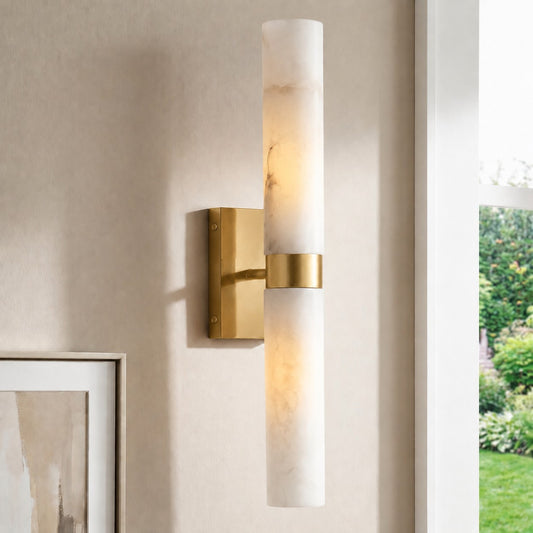
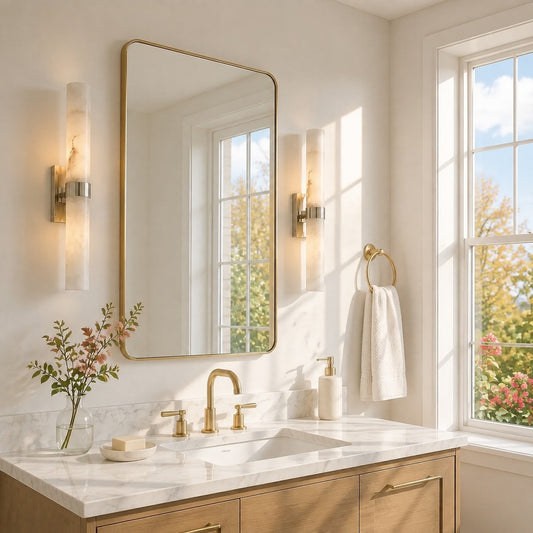

Lighting is often discussed in terms of "brightness," but for interior designers, the real magic lies in the shadows. A room with flat, uniform lighting feels clinical and two-dimensional. To create a space that feels cozy, inviting, and sophisticated, you must master the interplay of light and shadow. This is where the choice of lampshade material becomes the most important decision in your design process. Among all materials, glass—specifically tiered opal glass—is the undisputed master of "shaping" light.

The Physics of Diffusion: Why Opal Glass is Different
In lighting, "diffusion" is the process of spreading out light from a concentrated source (the bulb) to a wider area. Clear glass provides almost no diffusion; the light passes through it directly, often creating "hot spots" that hurt the eyes and cast harsh, jagged shadows.
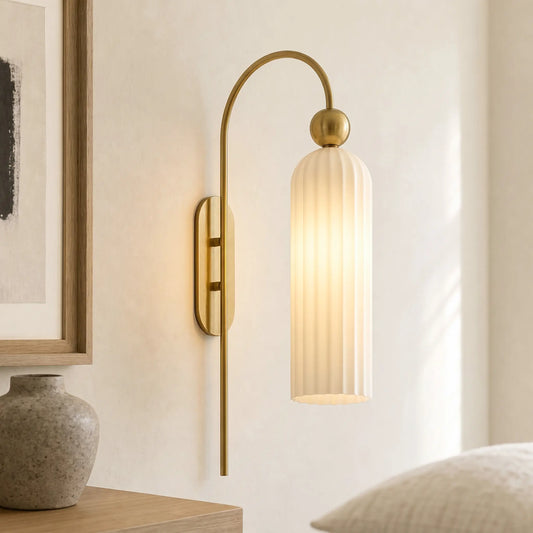
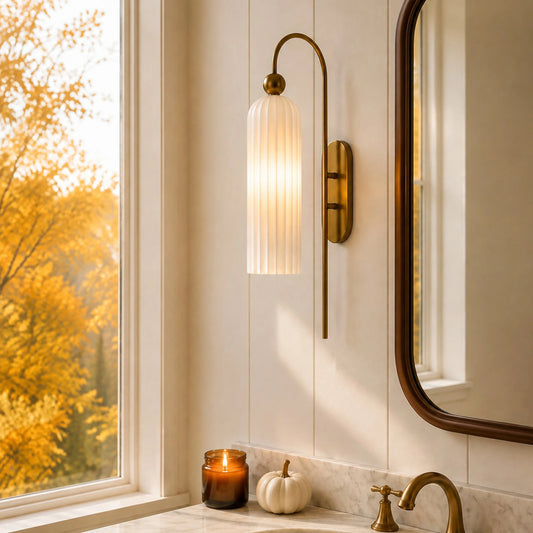
Opal glass, on the other hand, is engineered with microscopic particles that scatter light as it passes through. This transforms a single point of light into a glowing volume. When you look at the Antique Brass Tiered Opal White Glass Pendant Light, you aren't just seeing a light bulb; you are seeing an illuminated sculpture. The glass itself becomes the light source, emitting a soft, omnidirectional glow that fills the room without the "glare" associated with cheaper fixtures.
Creating Depth with Tiered Layers
While a single globe of glass is beautiful, a tiered design introduces a new level of complexity to your lighting scheme. Each "step" or "tier" in the glass creates a subtle gradient. The areas where the glass layers overlap become slightly more opaque, while the edges catch the light, creating a glowing outline.

This "layering" effect within the fixture itself mimics the way natural light behaves. It creates "soft shadows"—shadows with blurred edges that add depth to your walls and furniture without making the room feel dark. By hanging the Antique Brass Tiered Opal White Glass Pendant Light in a room with textured walls or interesting architectural details, you allow the light to wrap around objects, highlighting their three-dimensional form.
Further reading: The Eloise Collection: Timeless Light for Elegant Interiors
The Role of Metal in Shadow Play
The frame of a pendant light does more than just hold the glass; it acts as a "shutter." The Antique Brass framework of a tiered pendant provides a solid contrast to the glowing glass. Because the brass is opaque, it blocks light in specific directions, directing the "glow" where it is needed most.

This combination of translucent glass and solid metal creates a rhythmic pattern of light and dark. In a dining or living area, this helps to "ground" the light, preventing it from floating aimlessly and instead focusing the energy of the room toward the center of the gathering space.
Visual Comfort and the "High-End" Glow
Have you ever noticed how luxury hotels and high-end restaurants always feel "expensive" at night? It’s rarely about the furniture; it’s about the visual comfort of the light. High-end spaces avoid "naked" bulbs. By hiding the light source behind layers of opal glass, you eliminate the visual "noise" of a glowing filament. This creates a serene environment that allows the eyes to relax, which is essential for bedrooms and dining spaces.
Further reading:Light Diffusion Characteristics of Clear Glass Lighting
Practical Tips for Maximizing Light Layers
- Use Dimmers: The tiered opal glass design responds beautifully to dimming. At high power, the tiers are vibrant and bright. At low power, they emit a ghostly, romantic glow that is perfect for late-night relaxation.
- Contrast Against Dark Walls: To truly see the "shaping" power of a glass pendant, hang it against a dark or moody wall color (like navy, forest green, or charcoal). The white opal glass will pop against the dark background, emphasizing its tiered silhouette.
-
Height Matters: To create long, elegant shadows on your floor and furniture, experiment with hanging your tiered pendant slightly lower than a standard flush-mount light.

The Psychology of "Warm" Light and Brass
Human psychology is wired to respond to the "warmth" of a sunset or a fireplace. The antique brass finish on our tiered pendant acts as a reflector that subtly warms the light as it bounces off the metal components. This enhances the "milky" quality of the opal glass, creating a color palette in the room that feels safe, warm, and comforting. It is the literal definition of "mood lighting."
Conclusion: More Than Just a Light
Choosing a light fixture is an exercise in choosing how you want your home to feel. If you want a space that feels flat and functional, any bulb will do. But if you want a home that feels rich, layered, and architecturally interesting, you must choose a fixture that knows how to handle shadow. The tiered opal glass and antique brass design is a sophisticated choice for those who understand that the best lighting isn't just about what you see—it's about the atmosphere you create.
Balises:
Précédent
Visual Balance in Open-Plan Spaces: The Magic of Glass Lighting
Suivant
Sparkling Brilliance: A Professional Guide to Cleaning and Maintaining Your Glass Floor Lamps