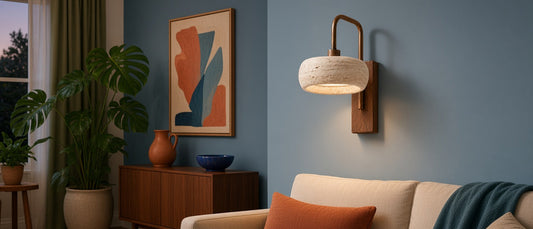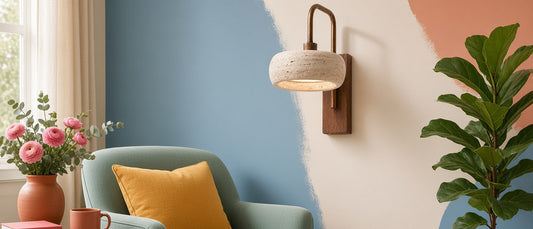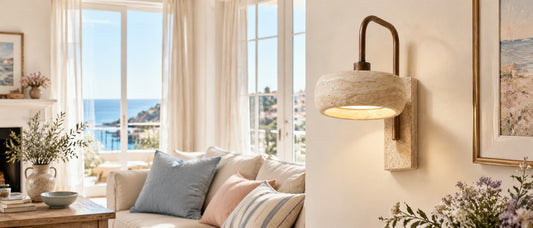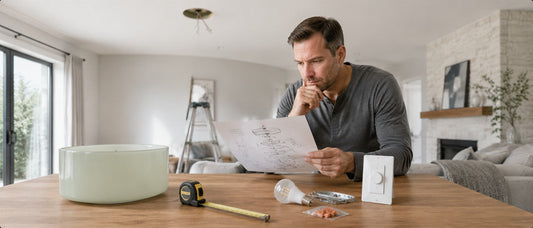
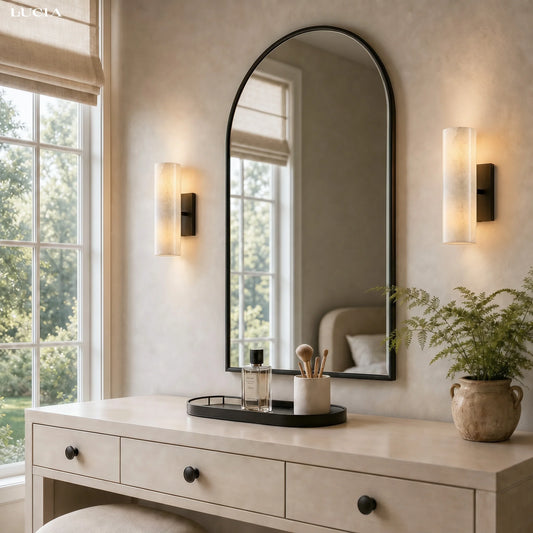
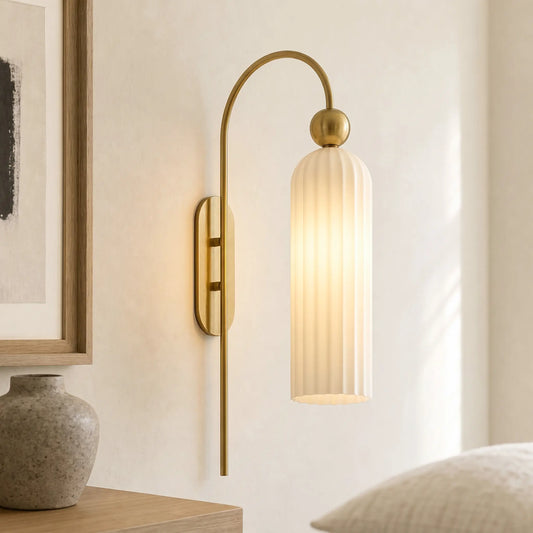
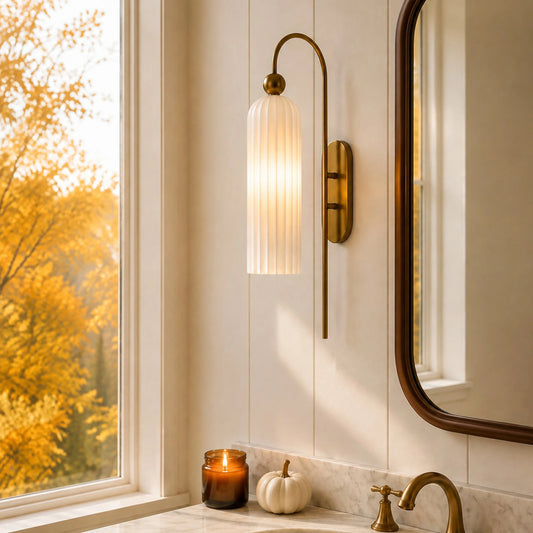

Most wall sconces feel right when the light source or visual center sits about 152 to 168 cm from the finished floor. Treat that as a starting range, not a rule to copy blindly. The best height changes with eye level, bed height, mirror size, ceiling height, shade opacity, and how far the fixture projects from the wall.
A good placement should do three things at once: keep glare out of the normal line of sight, put light where the room actually needs it, and leave doors, furniture, and walking routes comfortable.

Quick Answer: Mark Three Heights Before You Drill
If the project is a corridor rather than a single feature wall, use The Best Spaces for Decorative Wall Lights Beyond the Bedroom to separate height, spacing, and projection before the electrician marks the boxes.
Use painter's tape to mark 152, 160, and 168 cm on the wall. Stand in the doorway, sit where people will sit, and look from the main walking route. Choose the mark where the fixture feels connected to the room without placing the bulb or brightest shade edge directly at eye level.
The Placement Checks That Beat Generic Rules
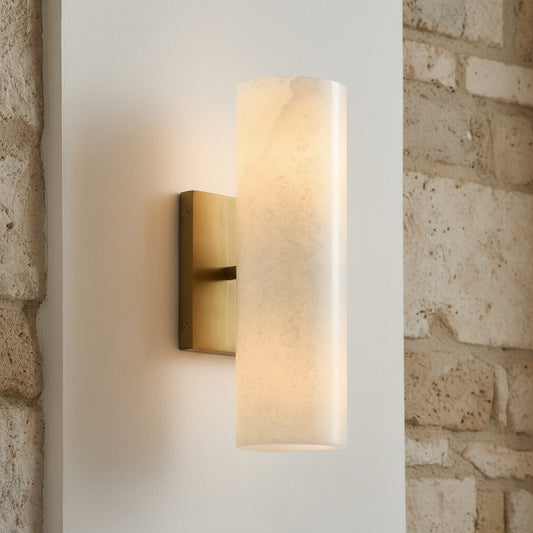
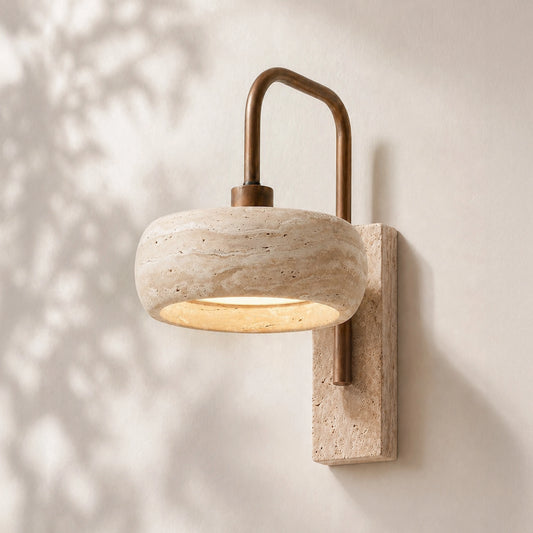
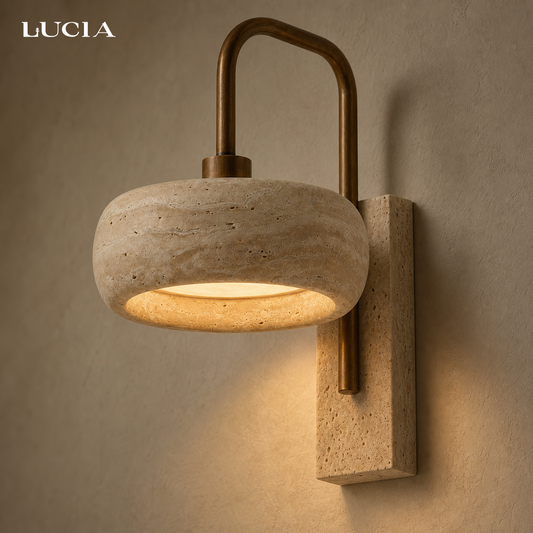
If the clearance and glare checks point toward a slim vertical fixture, the Tavik Travertine Cylinder Wall Sconce gives the wall a warmer material presence without turning placement into a purely decorative decision.
1. Measure to the light, not just the backplate
A tall cylinder, globe, and swing-arm sconce can all use different junction-box positions. Before installation, compare the backplate diagram with the visible center of the shade and the actual light source.
2. Match the height to the viewing position

In a hallway, people mostly view sconces while standing and moving. Beside a bed, the important test is seated eye level with pillows in place. Near a vanity, face lighting matters more than decorating an empty wall.
3. Check projection before checking style
A beautiful sconce can still fail if it sticks too far into a narrow path. Measure the outermost depth from the finished wall and test it against shoulders, door swings, curtains, and nearby furniture.
Room-by-Room Starting Points
For bed areas, Why Your Bedroom May Need Wall Lighting Instead of Another Table Lamp gives the more precise seated-eye-level checks that this general height guide only introduces.
For entries, living rooms, and hallways, begin around 152 to 168 cm to the light source. In taller rooms, raise the sconce only if the furniture and wall composition also move upward. A lonely high fixture often makes the wall feel awkward instead of grand.
Bedside sconces
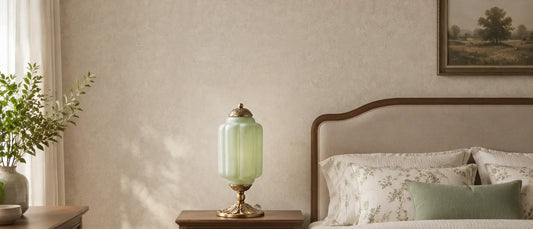
Place the light where it reaches the book or bedside surface without shining into the reader's eyes. If the bed has a tall headboard, align the sconce with the headboard edge and keep the switch reachable from a normal sleeping position. For a dedicated bedside layout, continue with Where Should Bedside Wall Sconces Go? For a dedicated bedside layout, continue with Where Should Bedside Wall Sconces Go?

Once the room-specific height is marked, review Tavik's projection and backplate details to confirm that the finished depth and mounting position still protect the sightline and walking route.
Hallway sconces
Keep repeated sconces on one consistent visual datum when doors or corners interrupt the wall; hallway spacing should be treated as its own planning decision rather than a footnote to height.
Bathroom vanity sconces
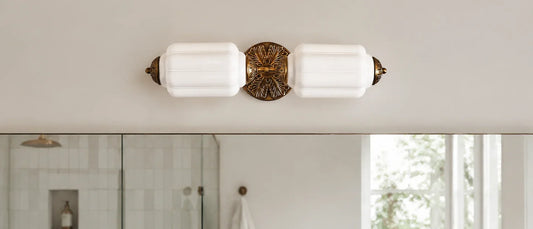
Side-mounted vanity sconces usually work best near face level and on both sides of the mirror. Avoid a strongly downward beam that throws shadows under the eyes and chin.
Using Tavik as a Real Placement Example

The view Tavik as a placement-ready wall sconce has a vertical, material-rich body, so it should be judged by its visual center, shade position, and projection rather than by a generic box height. Make a paper template at the listed dimensions, tape it to the wall, and view it from standing, seated, and doorway positions before committing.
FAQ
What is the standard height for wall sconces?
A practical starting point is 152 to 168 cm from the finished floor to the light source or visual center. Adjust from there for glare, furniture, ceiling height, and fixture shape.
Should all wall sconces in a house be the same height?
No. Keep sconces aligned within the same room or hallway run, but let each space use the height that fits its task and sightlines.
Can I decide the height before buying the sconce?
Only roughly. Final placement needs the fixture dimensions, projection, backplate position, and installation drawing.

Balises:
Précédent
You Bought the Perfect Ceiling Light, So Why Does Your Room Still Feel Wrong? The Hidden Details You Missed
Suivant
The Best Spaces for Decorative Wall Lights Beyond the Bedroom