
When you are shopping for a new pendant light, it is easy to get caught up in the shape and the finish. But as a lighting expert with years of experience helping homeowners fine-tune their spaces, I can tell you that the type of glass you choose is arguably the most important decision you’ll make. The glass is the medium through which your light travels; it dictates whether your room feels like a cozy sanctuary or a bright, high-energy workspace.
Today, we’re breaking down the "Clear vs. Opaque" debate. While both have their merits, the right choice depends on your room’s purpose, your sensitivity to glare, and the specific aesthetic you’re chasing. Let’s dive into the science of glow and find the perfect match for your ceiling.
1. The Case for Clear Glass: Brilliance and Sparkle
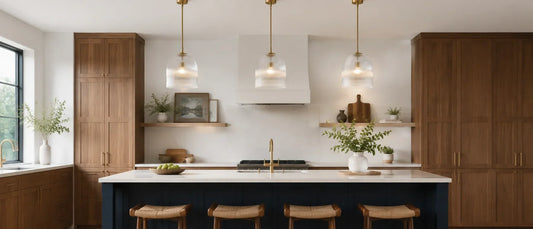
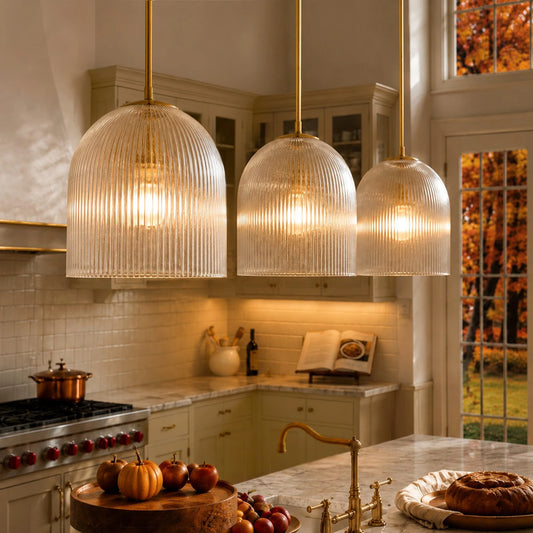
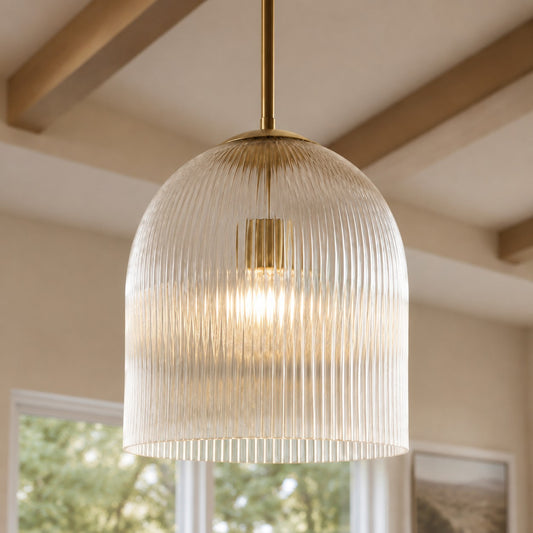
Clear glass pendants are the darlings of modern and "pastoral" design. Their primary advantage is transparency. Because the light source isn't hidden behind a milky or frosted barrier, you get the maximum lumen output from your bulb. This makes clear glass ideal for areas where you need crisp, clean light.

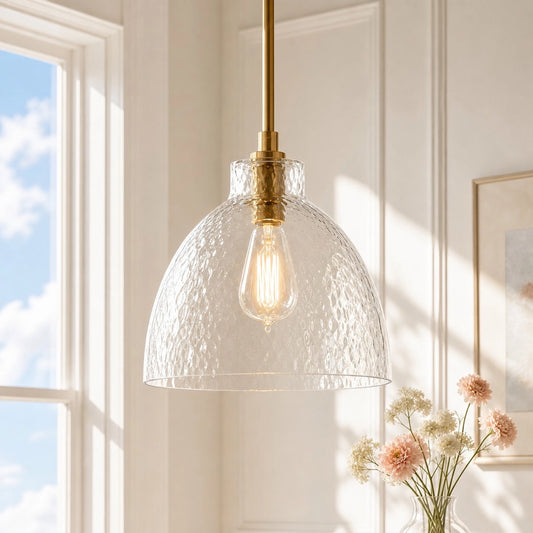
But clear glass offers more than just brightness; it offers refraction. When the glass has a unique shape—like the "petals" found on the Typhon Retro Pastoral Glass Flower Pendant Light—the light catches the edges and curves. This creates a shimmering effect that adds a sense of luxury and movement to the room. If you love the look of vintage Edison bulbs, clear glass is your best friend, as it puts the beautiful filament on full display.
Further reading:Market Overview & Trends in Glass Pendant Lighting
2. The Opaque Advantage: Softness and Diffusion
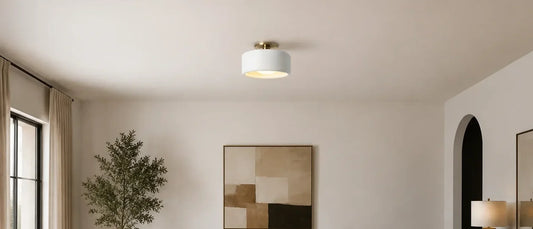
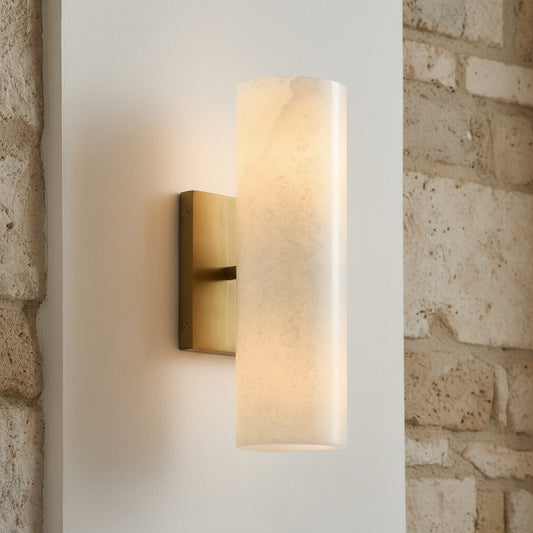
Opaque, milk, or frosted glass serves a very different purpose: diffusion. Instead of the light coming from a single point (the bulb), the entire glass shade becomes the light source. This eliminates "hot spots" and harsh shadows, creating a soft, even glow that is very easy on the eyes.
Opaque glass is often preferred in bedrooms or cozy dens where relaxation is the priority. However, the trade-off is that you lose that "sparkle" factor. While opaque glass is functional, it can sometimes feel a bit more static or "flat" compared to the dynamic nature of textured clear glass. If your goal is to hide a high-wattage, unattractive LED bulb, opaque is the way to go.
3. The "Hybrid" Hero: Textured Clear Glass
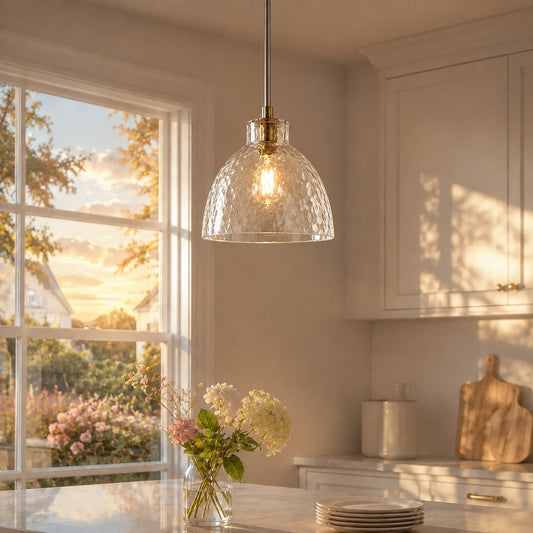
What if you want the brightness of clear glass but the softness of opaque? This is where textured glass comes in. By using a "flower" or "rippled" design, the glass breaks up the light rays. This provides a stunning visual pattern on your walls and reduces the direct glare of the bulb, all while maintaining that high-end crystal-like clarity.

The Typhon Glass Flower Pendant sits perfectly in this hybrid category. Its retro pastoral design uses the thickness and shape of the glass petals to diffuse light naturally. It gives you the best of both worlds: the "wow factor" of a clear fixture and the gentle, eye-friendly glow usually reserved for frosted glass.
Further reading:Achieving Visual Balance with Glass Lighting in Open Spaces
4. How Room Size Dictates Your Choice
Size matters when choosing glass. In a small kitchen or a narrow hallway, opaque glass can sometimes feel heavy or "blocky," potentially making the space feel smaller. Clear glass pendants have a "visual lightness"—because you can see through them, they don't clutter the sightline. They allow the room to feel open and airy.

Conversely, in a massive room with very high ceilings, a single clear glass pendant might feel lost. In those cases, the texture and shape of the fixture become paramount. A clear glass pendant with an intricate, organic shape (like a flower) provides enough visual "weight" to hold its own in a large space without making it feel cramped.
5. Maintenance and Longevity
I always tell my clients to be honest about their cleaning habits. Clear glass is beautiful, but it shows dust and fingerprints more easily than frosted glass. However, clear glass doesn't "age" or yellow over time the way some plastic or low-quality frosted coatings might. A quick wipe with a microfiber cloth and a bit of glass cleaner will keep a clear pendant like the Typhon looking brand new for decades.

Conclusion: Trust Your Vision
There is no "wrong" answer, only the right answer for your home. If you want a romantic, sparkling, and visually interesting atmosphere that honors retro design, clear textured glass is the undisputed winner. It turns the simple act of turning on a light into a design statement that defines the entire room.
Balises:
Précédent
The Ultimate Guide to Choosing a Glass Floor Lamp: 5 Essential Factors for a Sophisticated Home
Suivant
The Anatomy of Style: Understanding Glass Pendant Lights and Design Principles