
The kitchen is undeniably the beating heart of the modern home. It is a bustling hub where morning coffee is brewed, family dinners are prepared, homework is finished at the counter, and guests naturally gather during parties. Because this single room serves so many different purposes, getting the design right is crucial. While cabinetry, countertops, and appliances often take center stage in remodeling conversations, there is one element that holds the power to make or break the entire space: your kitchen lighting design.
Brilliant kitchen lighting is the invisible thread that ties a beautiful room together. It requires a delicate balance. If a kitchen is overly bright and clinical, it loses its welcoming warmth. If it is too dim, preparing meals becomes frustrating and even unsafe. True lighting mastery lies in the intersection where practical, everyday functionality meets breathtaking, welcoming aesthetics. Today, we are going to explore how you can achieve this perfect harmony in your own home, transforming your kitchen into a beautifully illuminated masterpiece.
Further reading: Pendant Silhouettes and Their Impact in Dining and Kitchen Areas

Understanding the Three Layers of Light
The secret to a dynamic, highly functional, and visually appealing kitchen is layering. A single overhead light is simply not enough to support the variety of tasks performed in the kitchen, nor does it create a flattering atmosphere. Professional designers always build their lighting plans using three distinct layers: ambient, task, and accent lighting. When these three work together, the result is magical.
1. Ambient Lighting: Your Foundation

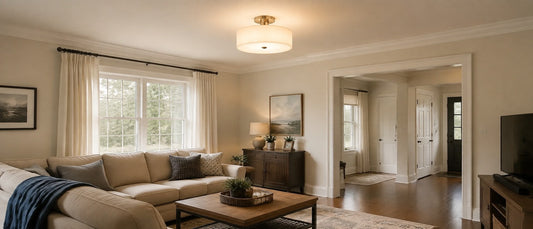
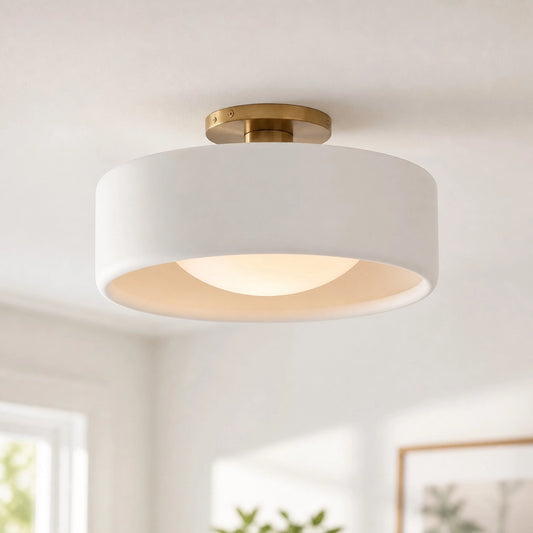
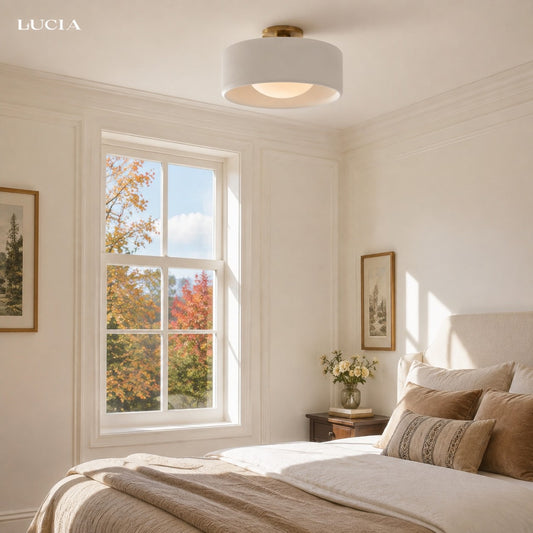
Think of ambient lighting as the foundational base layer of your room. Its primary job is to provide overall, even illumination so you can navigate the space safely. In most modern kitchens, ambient light is achieved through recessed ceiling lights evenly spaced across the room, or flush-mount fixtures in smaller spaces. The goal of ambient lighting is not to be the star of the show, but rather to mimic the effect of natural daylight when the sun goes down or in rooms with limited windows.
2. Task Lighting: Focus and Function
While ambient light helps you walk through the room, task lighting helps you actually get things done. This layer is focused, intense, and directed exactly where you need it most—over your countertops, above the stove, and critically, over the kitchen island. This is where your design can truly begin to shine.
The kitchen island is often the busiest zone in the house, used for everything from chopping vegetables to paying bills. Because of this, your task lighting here needs to be exceptional. However, just because it is functional does not mean it cannot be beautiful. When selecting a fixture for this high-traffic, highly visible area, the Clover Farmhouse 4-Light Kitchen Island Chandelier is an absolutely outstanding choice. It delivers a wide, even spread of essential task lighting across your workspace, while simultaneously acting as a stunning architectural centerpiece that anchors the entire room with its warm, inviting farmhouse charm.
Further reading: How to Choose the Perfect Dining Room Lighting
3. Accent Lighting: The Finishing Touch
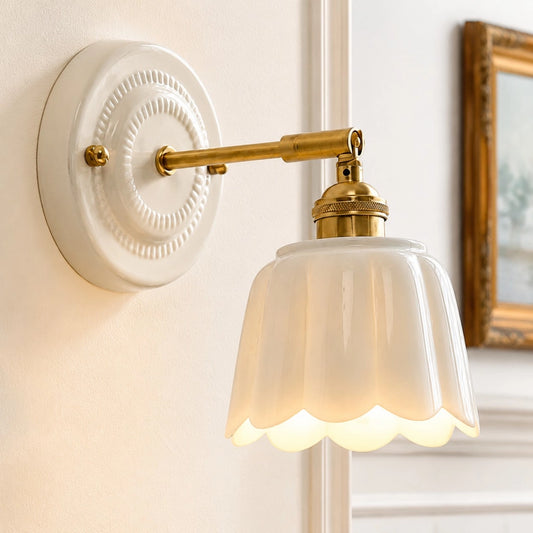
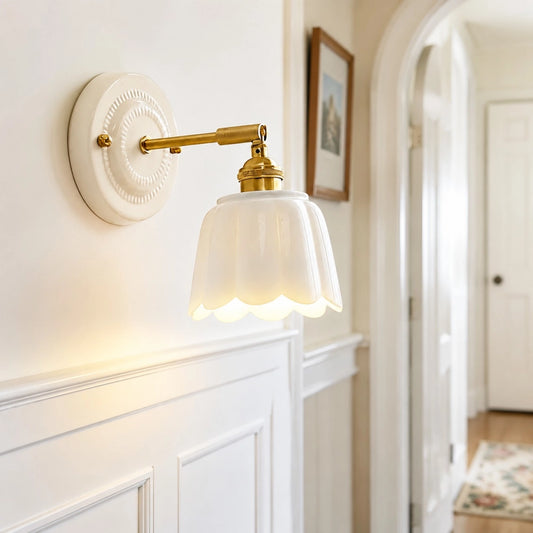
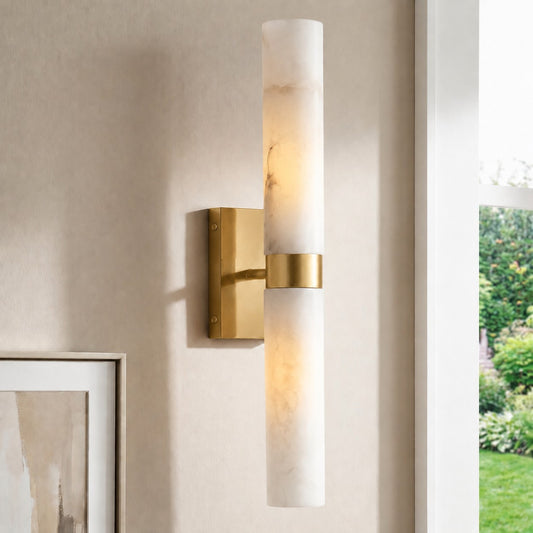
Accent lighting is the jewelry of your kitchen. It is used to highlight architectural features or specific design elements. This could be under-cabinet lighting that washes your beautiful backsplash in a soft glow, or tape lighting placed inside glass-front cabinets to show off your favorite dishware. Accent lighting adds depth, dimension, and a sense of luxury to the space, elevating the room from basic to bespoke.
Making the Kitchen Island Your Visual Centerpiece
Because open-concept living is so popular, the kitchen island is often visible from the living room, dining room, and entryway. It naturally draws the eye. Therefore, the lighting you choose to hang above it serves as a defining design statement for your entire home. It dictates the vibe.
Farmhouse style continues to be incredibly popular in American homes because it effortlessly bridges the gap between old-world comfort and clean, modern sensibilities. A well-chosen farmhouse chandelier brings a sense of history and groundedness to a space that is otherwise filled with cold, hard surfaces like stone counters and stainless steel appliances. Linear fixtures, specifically designed with multiple lights spread horizontally, are the most effective way to light an island. They ensure that both ends of the counter receive the same amount of high-quality light as the center.
Rules of Thumb for Sizing and Placement

Even the most beautiful chandelier will look awkward if it is hung incorrectly. Achieving the right scale and proportion is a fundamental part of good lighting design. When planning your island lighting, keep these expert guidelines in mind:
- Height: As a general rule, the bottom of your chandelier should hang between 30 and 36 inches above the surface of your kitchen island. This height is optimal because it keeps the light fixture out of the direct line of sight for most people standing around the island, while still keeping the light source close enough to the counter to be highly effective for tasks.
- Width and Scale: Your lighting should complement the size of your island, not overwhelm it or get lost above it. For a linear island chandelier, the fixture should generally be about one-third to two-thirds the total length of your island. You also want to ensure there is at least 6 inches of clearance from the edge of the fixture to the edge of the island on all sides, preventing people from bumping their heads as they lean in.
The Importance of Color Temperature and Control
Aesthetics go far beyond the physical shape of the light fixture; the actual quality of the light emitted is just as important. The color temperature of your lightbulbs, measured in Kelvin (K), drastically affects how your kitchen looks and feels.
For a residential kitchen, it is highly recommended to stay within the 2700K to 3000K range. This produces a "warm white" light that is incredibly inviting, flattering to skin tones, and makes food look appetizing. Going higher than 3500K pushes into "cool white" or "daylight" territory, which can make your beautifully designed kitchen feel sterile, harsh, and reminiscent of a commercial office rather than a cozy family home.
Additionally, always install your kitchen lighting on dimmer switches. The amount of light you need to finely chop ingredients at 5:00 PM is vastly different from the soft, ambient glow you want when enjoying a glass of wine at the island at 9:00 PM. Dimmers give you total control over the atmosphere, allowing your lighting to adapt to your life in real-time.
Further reading: Crafting Ambient Illumination Above the Dining Table
Common Kitchen Lighting Mistakes to Avoid
As you plan your kitchen upgrade, be mindful to avoid these frequent pitfalls that can hinder both the beauty and function of your space:
- Relying on a single central fixture: As discussed, a single light source creates harsh shadows. If you are standing at the counter chopping vegetables with a single light behind you, you will cast a shadow directly over your workspace. Layering is non-negotiable.
- Ignoring the sightlines: When selecting an island chandelier, consider what you are looking at through the fixture. If you have a beautiful range hood or a stunning view out a kitchen window, choose an open-concept linear fixture that frames the view rather than blocking it entirely.
- Forgetting to light the corners: Kitchens are full of awkward corners and deep counters. Ensure your ambient lighting reaches these areas so your kitchen feels expansive and bright, rather than cramped and cave-like.

Bringing Your Vision Home
Exceptional kitchen lighting design is never an accident. It is the result of careful planning, an understanding of how you use your space, and a commitment to balancing everyday utility with enduring style. By layering your ambient, task, and accent lighting, and paying close attention to scale, placement, and color temperature, you can create a kitchen that is just as joyful to cook in as it is to look at.
If you are ready to transform the heart of your home, upgrading your island lighting is the most impactful place to begin. A beautiful new fixture instantly refreshes the room and elevates your daily routines. Bring home the Clover Farmhouse 4-Light Kitchen Island Chandelier today to effortlessly combine practical, wide-reaching illumination with breathtaking farmhouse aesthetics, and see your kitchen in a whole new light.
Tags:
Vorherige
Building a Central Focal Point in the Living Room: The Ultimate Lighting Combination Guide
Nächste
Bathroom Lighting Guide: Creating a Safe, Bright, and High-End Sanctuary