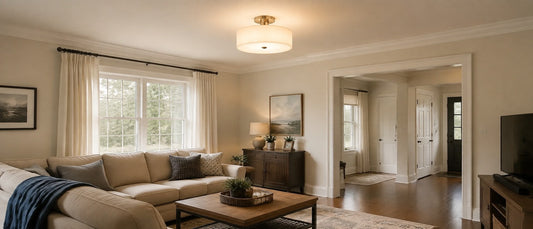

Open-concept living is the hallmark of modern home design. By stripping away walls, we create a sense of freedom, better airflow, and a communal atmosphere where the kitchen, dining, and living areas flow into one. However, there is a common pitfall that many homeowners face: the "void" effect. Without the right lighting strategy, these large, airy rooms can feel cavernous, cold, or—paradoxically—cluttered with shadows.
As a lighting specialist, I’ve seen how the right "lighting layers" can transform a flat, uninspiring room into a multi-dimensional sanctuary. The secret isn't just about adding more lights; it’s about choosing the right types of light to define invisible boundaries. One of my favorite tools for this is the Vale Farmhouse Hammered Glass Dome Pendant Light, which acts as both a functional tool and a visual anchor.
The Philosophy of Layering: More Than Just Brightness
Think of lighting like an orchestra. If every instrument plays at the same volume, you get noise. But when you balance the strings, the brass, and the percussion, you get a masterpiece. In your home, those "instruments" are your light sources.
In an open-plan layout, you are essentially asking one large room to perform multiple roles. You might be prepping a meal in the kitchen while someone else is reading in the living nook. To make this work, you need three distinct layers: Ambient, Task, and Accent.
Further reading:Creative Multi-Light Pendant Arrangements
1. The Ambient Layer: The Foundation
Ambient lighting is your base layer. It provides the general illumination that allows you to move safely through the space. In open-plan designs, this is often achieved through recessed "pot" lights or large flush mounts. However, relying solely on overhead recessed lights is a mistake. It creates "flat" light that washes out textures and makes a room feel clinical.

2. The Task Layer: Precision Where It Matters
Task lighting is where functionality meets style. This layer focuses on specific areas where activities take place—the kitchen island, the dining table, or a desk. This is where pendant lighting shines. For a farmhouse or transitional aesthetic, the Vale Farmhouse Hammered Glass Dome Pendant Light is an exceptional choice. The hammered glass helps diffuse the light, preventing the harsh glare that often comes from clear glass, making it perfect for lingering over a morning coffee or prepping dinner.

3. The Accent Layer: Adding the "Wow" Factor
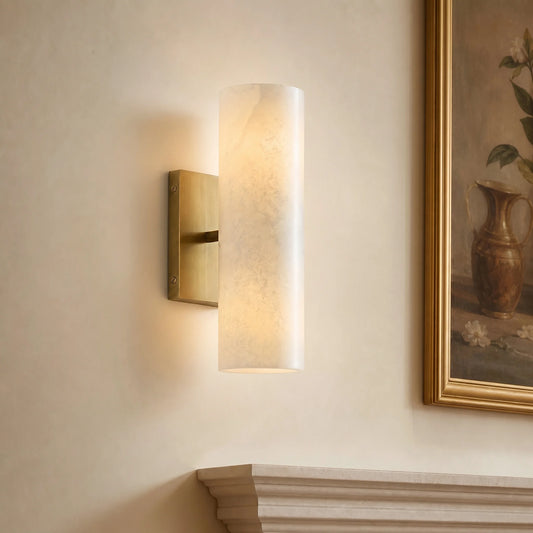
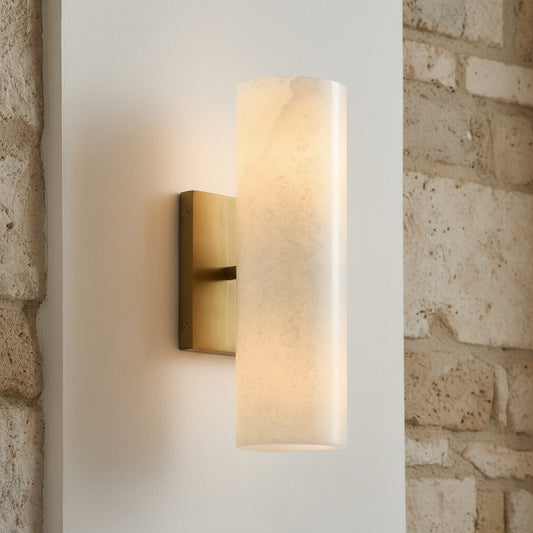
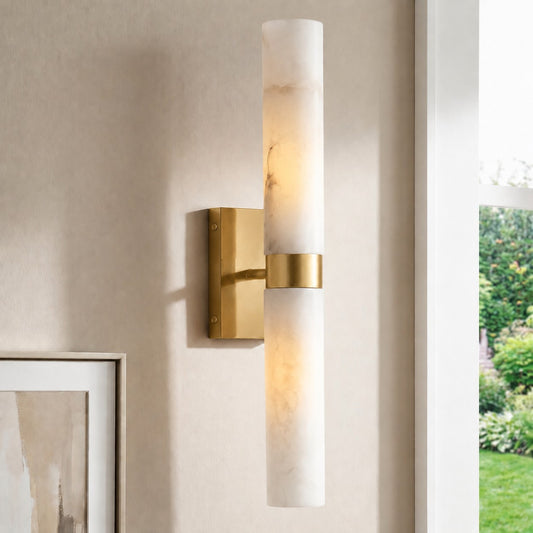
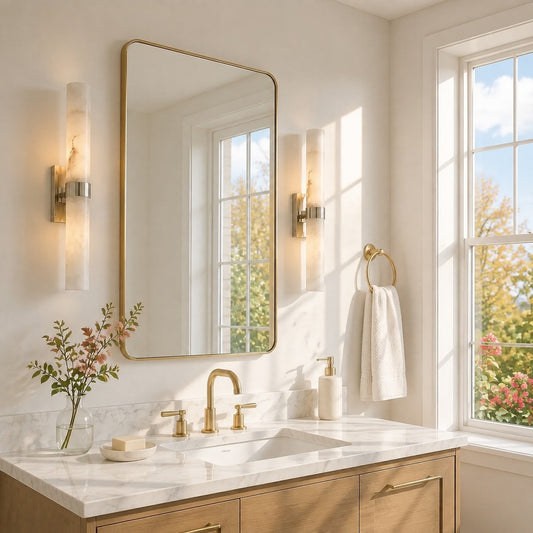
Accent lighting is purely aesthetic. It’s used to highlight architectural features, artwork, or even the texture of a wall. Wall sconces or directional spotlights are common here. In an open-plan space, accent lighting helps create "visual interest" points that draw the eye across the room, making the large space feel cohesive rather than empty.
Defining "Zones" Without Using Walls
One of the biggest challenges in a large room is knowing where the "kitchen" ends and the "dining room" begins. You can use lighting to create these psychological boundaries. For example, hanging a trio of pendants over an island instantly tells the brain, "This is a workspace."

When selecting your focal points, consider the texture of the fixtures. A piece with character, like a hammered glass dome, creates a subtle pattern on nearby surfaces. This adds a layer of visual "warmth" that smooth glass simply can’t replicate. It bridges the gap between the sleek lines of modern appliances and the cozy feel of a family home.
Further reading:How Lighting Transforms Everyday Living
Practical Tips for Implementation

- Use Dimmers: This is non-negotiable. An open-plan space needs to transition from "bright morning" to "moody dinner" in seconds. Dimmers allow you to control the layers independently.
- Mix but Match: Your kitchen pendants don't have to be identical to your dining chandelier, but they should speak the same "design language." The rustic yet refined look of the Vale Pendant pairs beautifully with matte black hardware or natural wood finishes.
-
Scale is Key: Don't be afraid of size. A common mistake is choosing fixtures that are too small for the vastness of an open ceiling. A generous dome shape provides the weight needed to balance the room.

Conclusion: Lighting as an Investment
Lighting is often the last thing homeowners think about, but it’s the first thing they notice when they walk into a room. By planning your layers—Ambient, Task, and Accent—you aren't just lighting a room; you're designing an experience. If you're looking for that perfect centerpiece to tie your farmhouse or modern-rustic space together, the Vale Farmhouse Hammered Glass Dome Pendant Light offers the perfect blend of durability and timeless style.
Balises:
Précédent
The Golden Collision: Pairing Oiled Brass with Vintage Elements for a Timeless Home
Suivant
How the Right Lighting Transforms Your Daily Home Lifestyle Experience