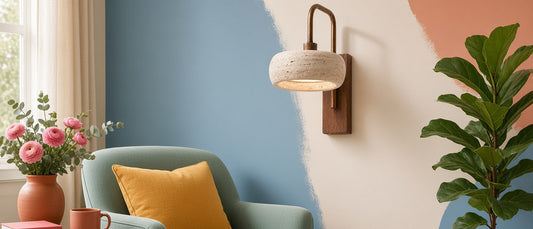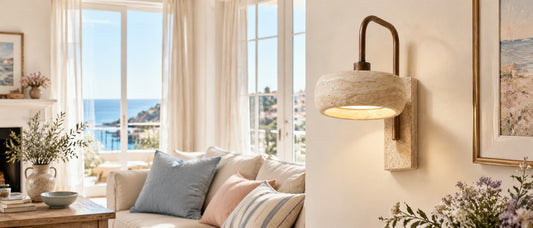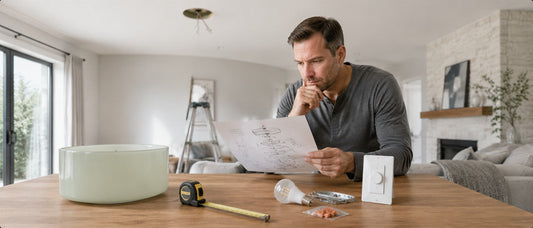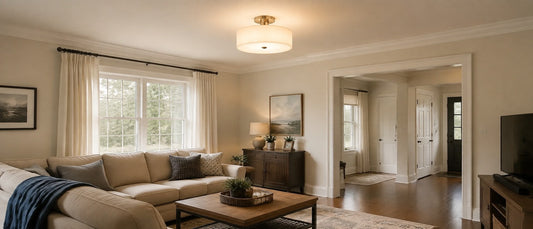
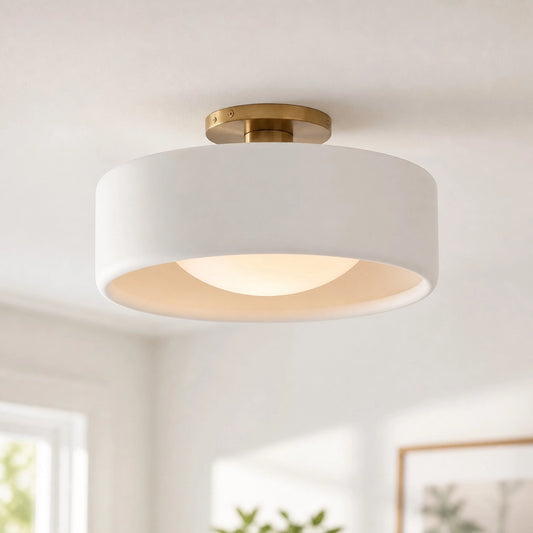
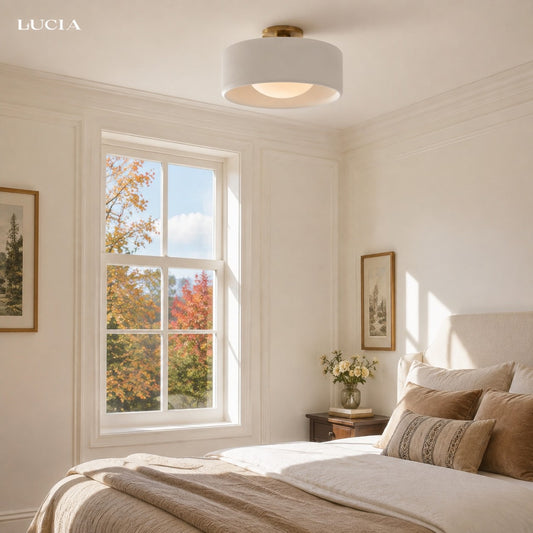
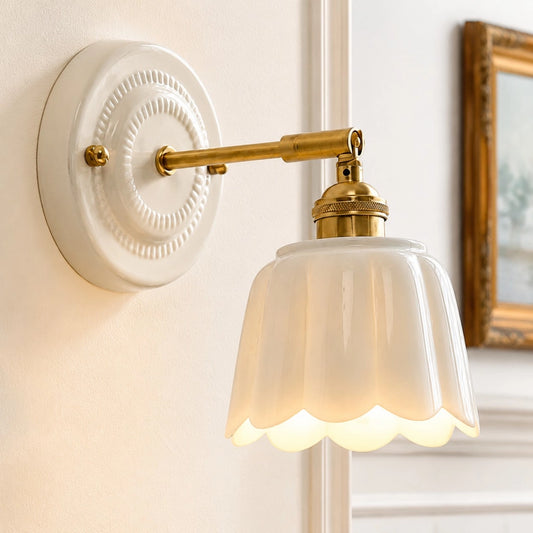
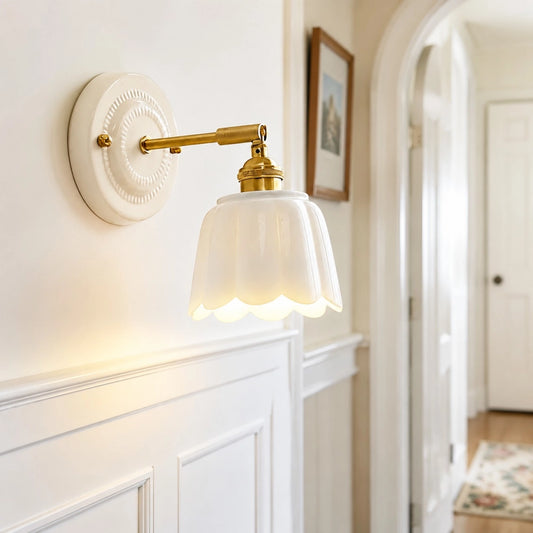

In my five years working in the lighting industry, I’ve noticed a recurring pattern among clients yearning for a "Scandi-style" or minimalist home. They begin by decluttering, painting everything white, and buying sleek furniture. Then they get stuck on lighting. They are terrified of picking something "too loud" that breaks the Zen, so they choose boring, invisible fixtures. The result? A home that feels like a waiting room.
True minimalism isn't about absence; it's about the perfect presence. It’s walking a tightrope between monotony (boring) and over-decoration (busy). When you have fewer items in a room, every single item needs to pull more weight aesthetically. Your lights can't just be functional; they must be sculptural.
How do you achieve that effortless Nordic balance? It comes down to understanding form, material, and placement. Here is my professional guide to choosing minimalist lighting that elevates your space without overwhelming it.
Principle 1: Embrace Strong Geometric Forms

When color palettes are muted (think whites, creams, greys, and pale woods), the shape of an object becomes its most defining characteristic. In minimalism, lighting acts as the "jewelry" of the room. If the shape is too complex or ornate, it looks cluttered. If it's just a plain flush mount, it looks cheap.
The "Anchor" Shape
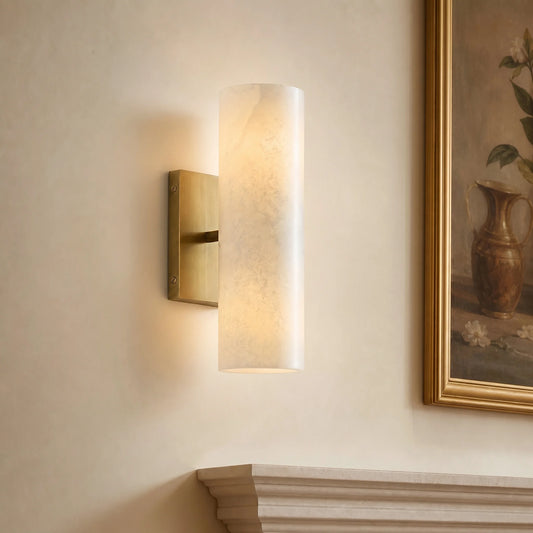
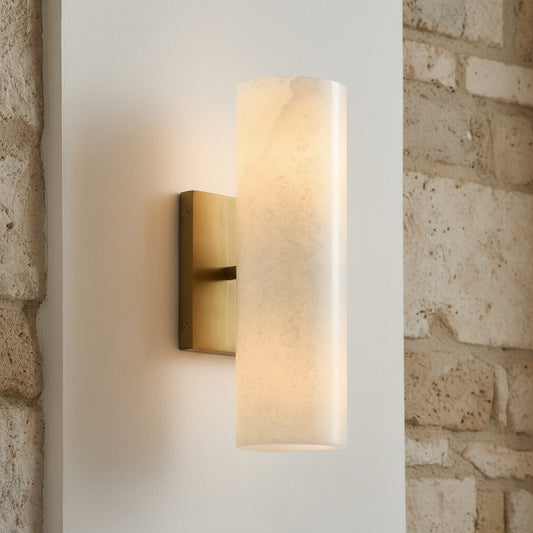
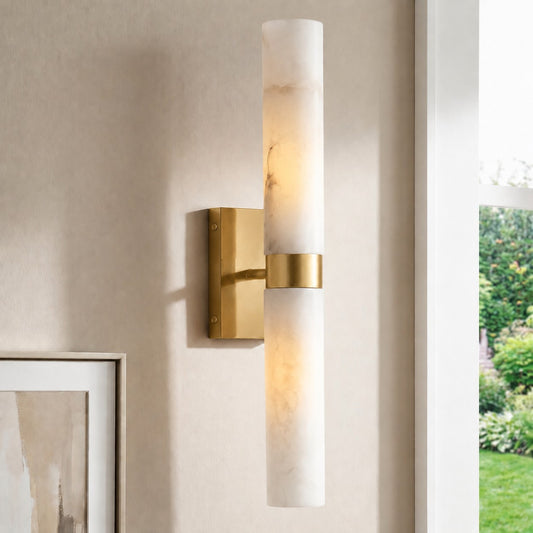
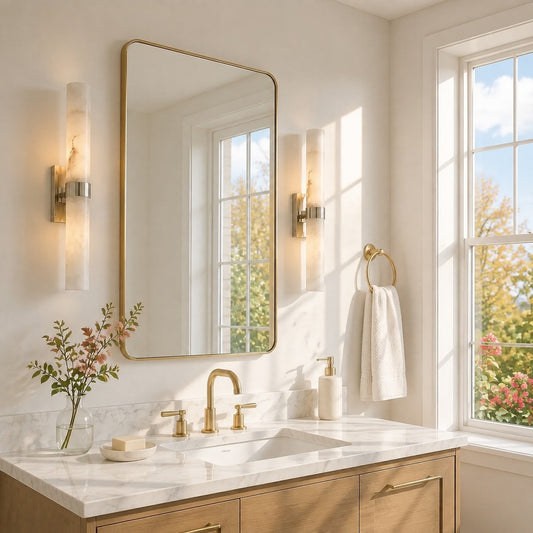
Look for fixtures rooted in basic geometry: circles, cylinders, cones, or clean lines. These shapes are timeless and calming to the eye. A cylindrical wall sconce, for example, provides a clean vertical line on a wall that breaks up the expanse of drywall without shouting for attention. The goal is to find a fixture that looks beautiful even when it’s turned off.
Principle 2: Materiality is Your Secret Weapon Against Boredom

This is the most crucial point I can teach you. If a minimalist room feels "sterile," it’s almost always a lack of texture. If you have smooth walls, smooth floors, and a smooth leather sofa, adding a smooth metal lamp will make the room feel flat.
Introduce Organic Textures
To stop minimalism from feeling cold, you must introduce "warm" materials. In lighting, this means stepping away from shiny chrome or glossy plastics. Instead, look for matte finishes, natural woods, seeded glass, or best of all—textiles.
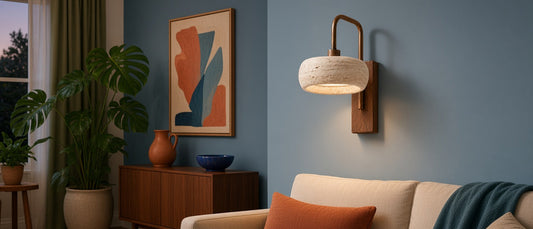
A fabric shade on a modern fixture is a game-changer. It softens the light output and adds a tactile element that invites touch. This is why I frequently recommend pieces like the Freya Nordic Minimalist Linen Cylindrical Wall Light for clients struggling with "boring" rooms. The clean cylindrical shape satisfies the minimalist requirement for simple form, but the organic linen texture adds necessary depth and warmth, preventing the fixture from disappearing into the background.
Further reading: The role of texture in Scandinavian interior design
Principle 3: The Power of Repetition and Consistency

Over-decoration often happens when a homeowner buys five completely different styles of lamps for one open-plan space. A bohemian floor lamp next to an industrial pendant and a mid-century modern table lamp will create visual chaos.
Curate a "Family"
Minimalism thrives on rhythm. To keep things cohesive, choose a "family" of lights. This doesn't mean they all have to match exactly (that can look tacky), but they should share a common DNA. Perhaps they all feature matte black metal accents, or they all use linen shades. Using a repeating element, like installing three identical wall sconces down a long hallway, creates a sense of intentional architecture rather than just "lighting a dark corridor."
Principle 4: Respect the Negative Space

In Maximalism, an empty wall is an opportunity to hang something. In Minimalism, an empty wall is an active design element. It gives the eye a place to rest. Over-decoration in lighting occurs when you try to fill every void with a lamp.
Let It Breathe
Don't crowd your fixtures. A beautiful wall light needs room around it to cast its glow and be appreciated as an object. If you hang a piece of art inches away from a wall sconce, both items suffer. The beauty of a fixture like the Freya Linen Wall Light is that its presence is subtle enough that it can stand alone on a wall, acting as both light source and decor, without needing surrounding clutter to make it feel "complete."
Further reading: Living Room Lighting Ideas and Design Tips
Principle 5: Function dictates Form (Every Time)

Finally, the quickest way to over-decorate is to buy a lamp just because it looks cool, with no plan for what it will actually do. A minimalist home must be highly functional. Before buying, ask: Is this for reading? Is it to set a mood? Is it to light a workspace?
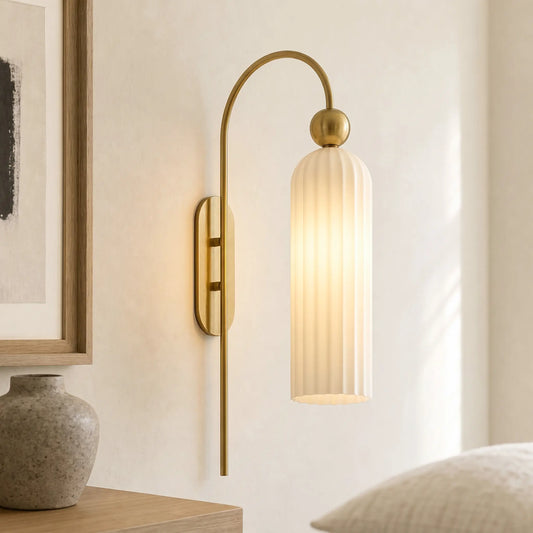
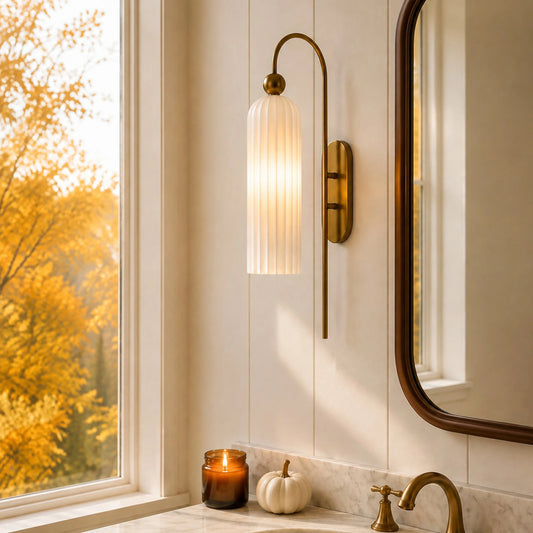
If you need bedside reading light but have tiny nightstands, adding a large table lamp creates clutter. The functional minimalist solution is a wall-mounted fixture. It frees up table space (less clutter) and provides targeted light right where you need it (high function).
Conclusion: Finding Your Balance
Choosing minimalist lighting isn't about picking the smallest, plainest bulb you can find. It's about careful curation. It’s choosing shapes that calm the eye and materials that warm the soul.
If your space feels a little flat, try swapping out a plain fixture for something with tactile appeal. The natural linen texture of the Freya Nordic Minimalist Cylindrical Wall Light is the perfect starting point for bringing that cozy, high-end Scandi vibe into your home without crossing the line into clutter.
Balises:
Précédent
How to Create the Perfect Ambient Glow Above Your Dining Table
Suivant
Size Matters: How to Choose the Perfect Glass Floor Lamp Dimensions for Your Space