
Paint is the color a room keeps while the sun is up. Once the shade is on, the eye often finds the cloth first. A cream linen cup on a green wall is the warm patch the paint cannot make by itself.
In daylightThe room rests in its natural tones. Surfaces hold their quiet, fixed hues.
When the fabric shade glowsA soft warm glow unfolds beside it. This gentle tone comes from the lampshade itself.

A finished wall can still change
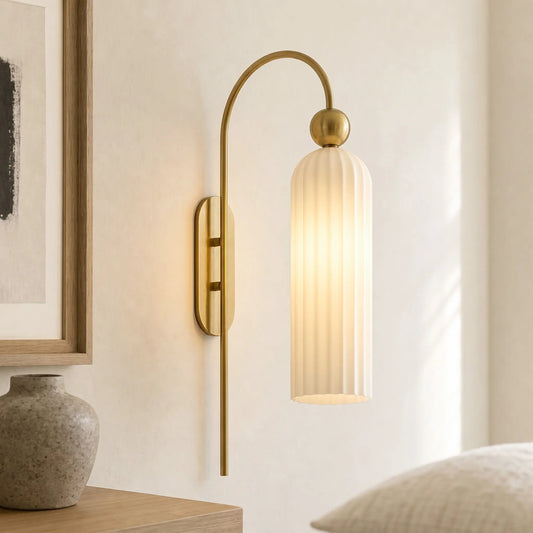
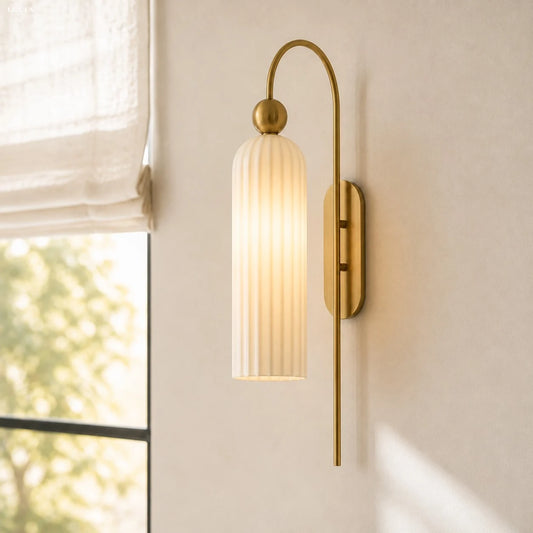
The dining photograph is the whole argument. The wall does not get repainted when the light comes on. The pleated shade does the changing. It throws a warmer edge than the green is holding, and it does it close to the table, where the eye already is.
That is a smaller job than filling the room. The page calls it warm ambient light through a soft fabric shade, for bedrooms, hallways, and living rooms. It is the light left on at the edge of a table, a bed, or a mirror. It is not a ceiling fixture, and it does not have to be.
The Shift from Functional Lighting to Emotional Lighting Is Changing Modern Interiors makes the larger point. Atmosphere does not require color-changing technology. A shade is the quieter version. The tint is in the cloth, the folds, or the shell.

Cream already tints the wall
The scenes here stay with warm cream linen and capiz. The menu goes further: white, red, green, sage green, dusty blue, and mustard yellow. A colored shade would tint the glow itself. These pictures do not show that, so the claim stays with what is visible. Cream cloth already warms the wall beside it.
One arm. Three glows.
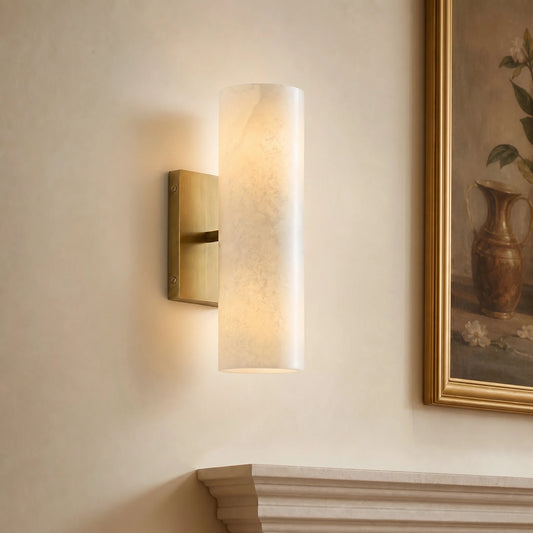
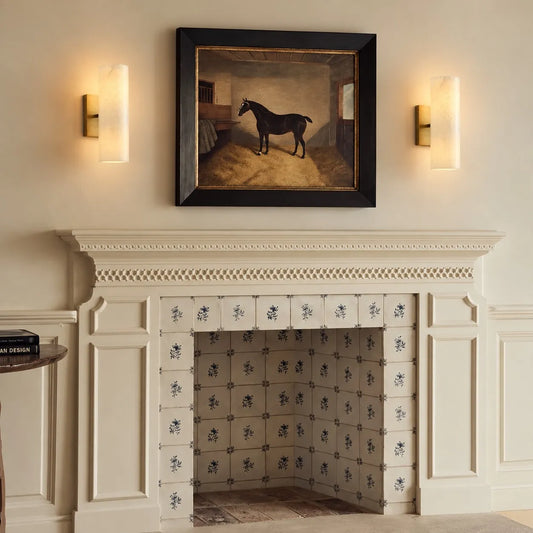
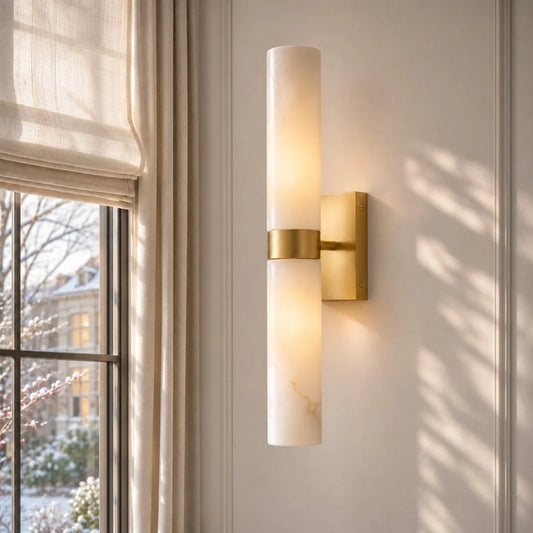
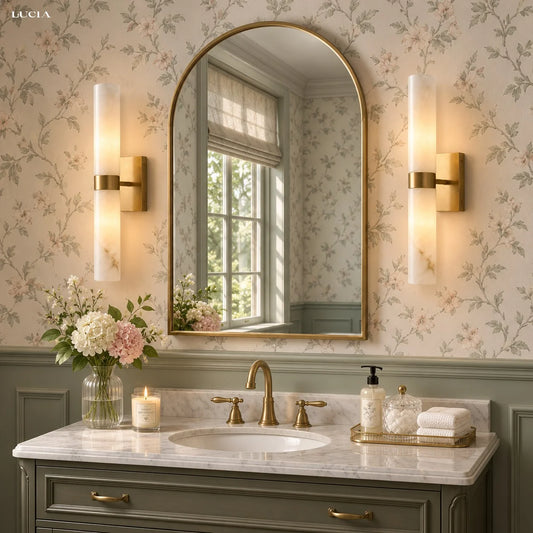
Plain linen lets the light leave as one field. Pleated linen, as on the green wall, keeps the cup and adds folds, so the warmth arrives in stripes. Capiz replaces the cloth with translucent shell. The glow breaks into pale patches, and the opening under the shade is easier to see. Same curved arm. The hour looks different.


Capiz is paired with brass on the menu, and it is listed above the linen prices. Confirm the live price rather than treating either figure as fixed. The page also says the silhouette works alone or in multiples, and it includes a bath-style note. Keep the linen out of spray.
Close to the wall, on purpose
The published size is 6 in wide, 6.5 in deep, and 11.5 in high. Depth is how far it enters the room. Beside a bed or a narrow mirror, those 6.5 in matter more than the width. The shade is 3.5 in at the top, 6 in at the bottom, and 5.5 in high. The backplate is 4.5 in across.
6 in Width
6.5 in From the wall
11.5 in Height
60W Type B, not included
If the wall already has its daytime color, ask what should appear once that wall goes dim. Then confirm the fabric, the finish, and the live option on the Posie linen wall sconce.
Before the finish name decides it
Will the cream linen shade yellow over time?
Natural linen may slowly warm in tone over years, which adds to its cozy vintage feel.
Can it work above a vanity in the bathroom?
Linen versions cannot withstand moisture. Capiz also has no wet rating, not recommended for steamy bathrooms.
What’s the difference in brightness between capiz and linen?
Capiz transmits more light. Linen softens and diffuses light more heavily for muted warmth.
Does pleated linen gather dust more easily than plain linen?
Yes, creases catch fine dust. Gentle dusting keeps the striped glow effect clear.
Tags: