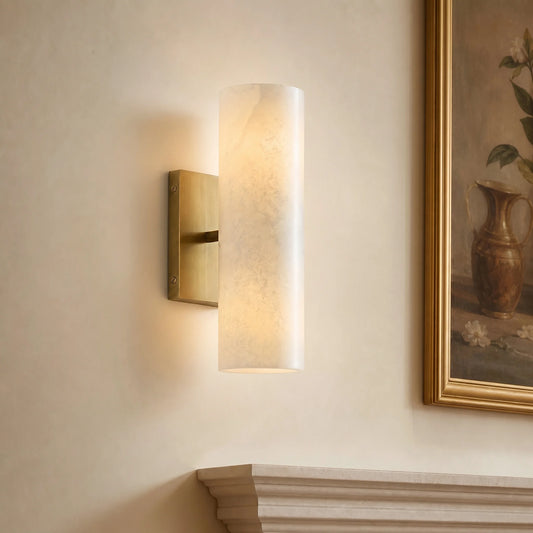
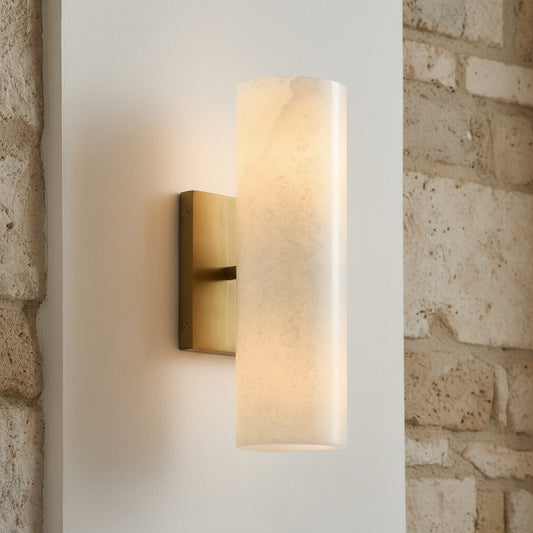
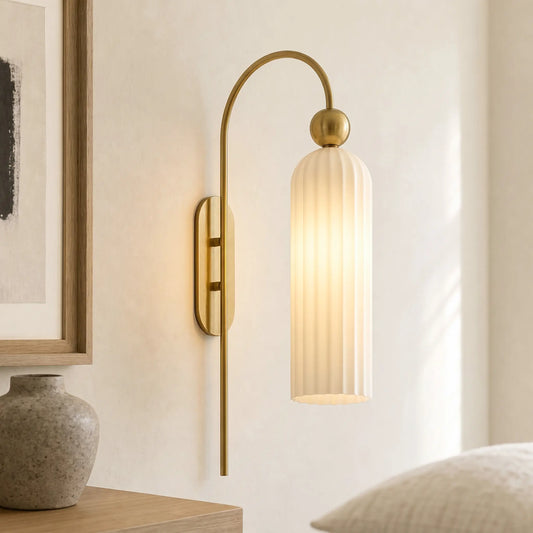
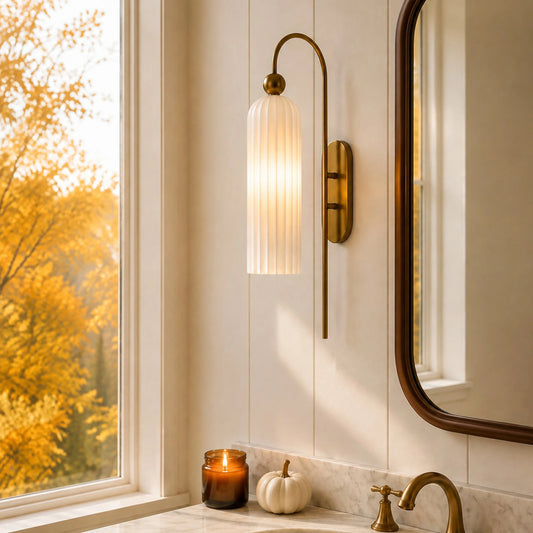

Have you ever walked into a room and immediately felt a sense of calm, or conversely, felt strangely energized and alert? Most people attribute this to the furniture or the color of the walls, but as lighting experts, we know the true culprit: color temperature. It is the invisible hand that guides our emotions and dictates how a room "feels" the moment we step across the threshold.
When it comes to interior design, specifically in open-concept American homes, the floor lamp is your most powerful tool for atmospheric control. Unlike recessed ceiling lights that wash everything in a flat glow, a floor lamp provides localized, eye-level light. But to truly master the mood, you must understand the science of Kelvin and how it interacts with materials like colored glass.
What Exactly is Color Temperature?

In the lighting industry, we measure the "warmth" or "coolness" of light using the Kelvin (K) scale. It’s a bit counter-intuitive: the lower the number, the warmer and more orange the light appears. The higher the number, the cooler and bluer it looks.
- 2000K - 3000K: Warm White. This mimics the soft glow of a candle or a sunset. It’s the "comfort zone."
- 3100K - 4500K: Neutral White. Clean and crisp, often used in kitchens or workspaces.
- 4600K - 6500K: Daylight. Very blue, very bright, and great for high-focus tasks, but often too "cold" for a relaxing living room.
For a piece like the Sanae Modern Round Shade Colored Glass Floor Lamp, we almost always recommend staying in the 2700K to 3000K range. This range enhances the natural richness of the colored glass, creating a sophisticated "light luxury" vibe that makes your home feel like a high-end boutique hotel.
Further reading: Bedroom Lighting Suggestions for Soft and Restful Ambience
The Psychological Impact of Warm Light

Why are we so drawn to warm light in the evening? It’s biological. Our bodies are programmed to respond to the setting sun. Warm, low-intensity light triggers the production of melatonin, the hormone that tells our brain it's time to relax and prepare for sleep. This is why a floor lamp is superior to "the big light" (the overhead fixture) after 7:00 PM.
By placing a lamp at eye level, you are creating a more intimate environment. The Sanae Modern Round Shade Floor Lamp excels here because its round shade diffuses the light in all directions, softening harsh shadows and making the faces of your family and guests look warmer and more inviting. It’s the ultimate "social" lighting.
The Interaction Between Glass and Kelvin
One detail many homeowners overlook is how the material of the lamp shade changes the light's final color. When you use a 3000K bulb inside a colored glass shade—like the amber or smoke-tinted glass of the Sanae lamp—the light undergoes a secondary transformation. The glass acts as a filter, deepening the warmth and adding a layer of texture to the illumination.
If you were to use a very "cool" 5000K bulb inside a warm-tinted glass shade, the colors would clash, often resulting in a muddy or gray-toned light that feels "off." To get that glowing, jewel-like effect that glass lighting is famous for, you must match the bulb's temperature to the aesthetic of the glass.
Further reading: How Glass Shades Shape Light and Shadow
Layering for Different Times of Day

Your home isn't a museum; it's a living space that needs to adapt. A well-balanced room utilizes "layered lighting."
- Morning: Use natural light and perhaps a neutral white floor lamp to help you wake up while you drink your coffee.
- Afternoon: Ambient ceiling lights provide the "working" light needed for chores and activity.
- Evening: Switch off the ceiling lights and turn on your floor lamps. The Sanae lamp, with its architectural round shade, creates a visual anchor in the room that signals the transition to "me time."
Designing for "Visual Comfort"
Visual comfort is about avoiding "glare." Standard lamps with thin fabric shades can often have "hot spots" where the bulb is visible through the fabric. High-quality glass, especially colored or frosted glass, diffuses that light. It spreads the brightness across the entire surface of the shade, providing a steady, comfortable glow that doesn't strain the eyes, even if you are sitting directly next to it to read a book.

Conclusion: Setting the Stage
Lighting is the most cost-effective way to remodel your home without actually moving a single wall. By choosing the right color temperature and a fixture that speaks to your personal style, like the Sanae Modern Round Shade Colored Glass Floor Lamp, you are setting the stage for a more comfortable, beautiful, and emotionally balanced life.
Don't settle for flat, uninspired lighting. Embrace the warmth, choose your Kelvin wisely, and let your home glow with the sophistication it deserves.
Tags:
Previous
The Magic of Transparency: Understanding Light Performance in Glass Fixtures
Next
Elevate Low Ceilings: Why Semi-Flush Mounts are the Secret to Designer Spaces